A growing crisis in England's healthcare system is leaving patients struggling to access medications vital for managing chronic conditions, with reports indicating that this dire situation is poised to worsen.
Chloe Hayward, a 29-year-old living with epilepsy, voices her deep frustration: "It's just terrifying. I get panic attacks." She relies on Lamotrigine, a critical drug that prevents life-threatening seizures, but has been unable to obtain it consistently. Despite having access to other medications, it is this specific treatment that empowers her to live a normal life and continue working.
Recent weeks have seen an alarming trend, as patients across England—those with heart conditions, chronic pain, bipolar disorder, and other ailments—struggle to find essential drugs, a situation that leaders in healthcare have described as the most fragile in years.
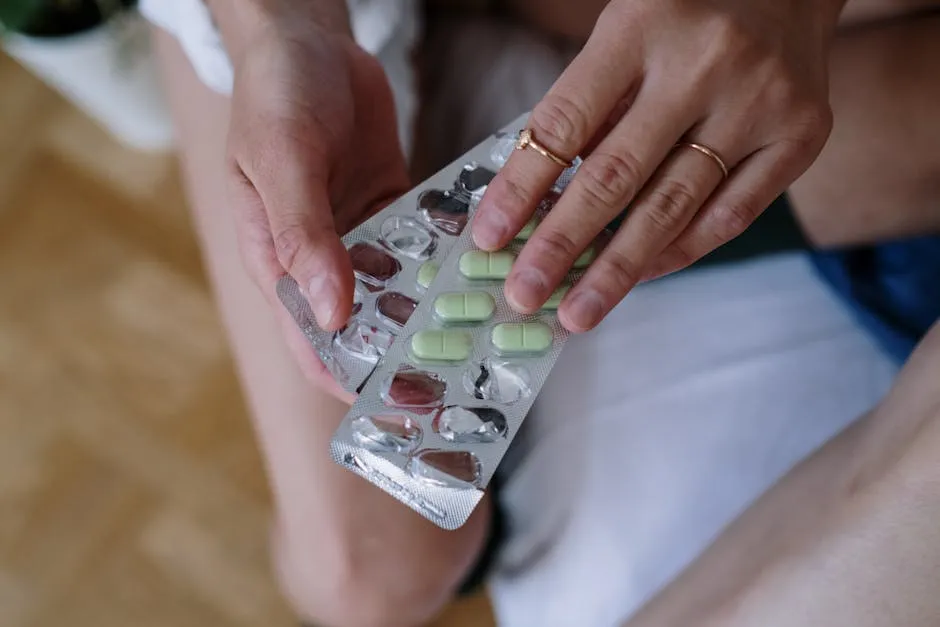
The root of these shortages lies partially in soaring global prices. However, a complicated NHS funding structure for medications exacerbates the issue. The NHS pays pharmacies a fixed price for medicines, which means that when market prices surge, pharmacies often find themselves dispensing medications at a loss.
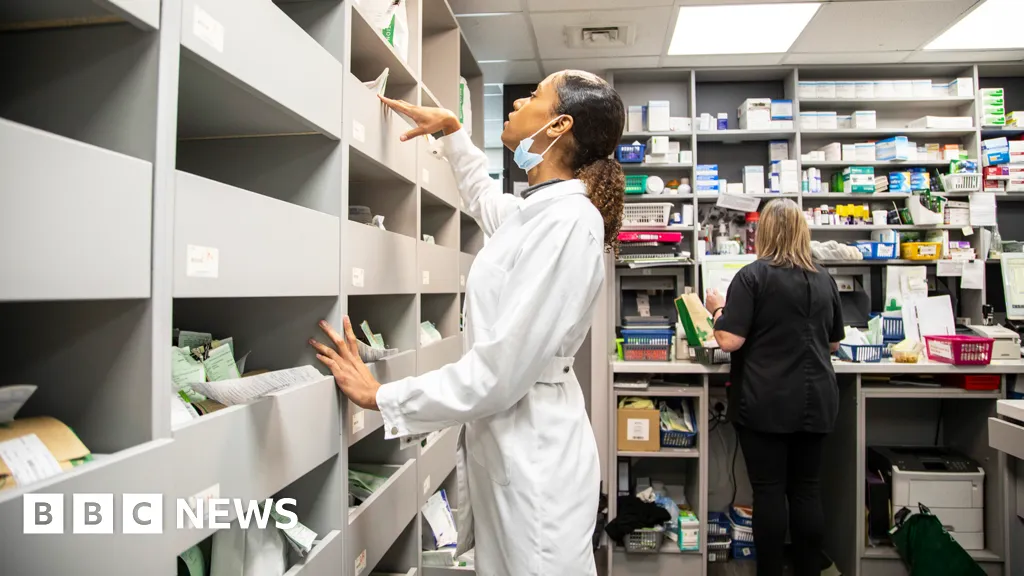
This trap was illustrated in April when the government's price concessions list reached a record high of 210 medications, driving even deeper into crisis the ability of pharmacies to maintain necessary stock levels. "When prices rise suddenly, it adversely affects our ability to keep sufficient quantities of key medications available for our patients," says Akash Patel, a pharmacist in Shepperton, Surrey. "It's been getting worse in recent years, but now is the worst I’ve ever known it."
For Chloe, the struggle to secure her medication has turned into a daily ordeal, often involving lengthy trips to multiple pharmacies across town. "I sit on the bus for hours, going on patrol for the medications I need," she explains. This anxiety is not unfounded; the Epilepsy Society has linked three deaths in the past two years to a lack of access to crucial medications.
The crisis is leaving pharmacy owners in a precarious position as well. Patel noted that he could not fulfill a monthly prescription for a patient and would incur a £9 loss from the pills he managed to provide. This has led many pharmacies to reduce their inventories of essential medications, operating under the constant threat of shortage while striving to stay financially afloat.
Further complicating the landscape, rising energy and transport costs fueled by global geopolitical tensions have made it increasingly difficult for manufacturers to supply needed medications to the UK. Some pharmaceutical manufacturers have begun to assert that they can no longer provide certain medications due to the low prices set by the NHS, further driving up expenses for pharmacies and exacerbating shortages.
This instability is particularly alarming for patients like Chris Henry, a 49-year-old diagnosed with Parkinson's Disease. Like many others, Henry's prescribed Co Careldopa has found itself on the government's concessions list. "This is genuinely concerning," he states, as he balances the demands of family and work along with his health. "The uncertainty is terrifying, especially knowing how critical these medications are to my daily functioning and quality of life."
The mounting reports of medication shortages signal an urgent need for the NHS and pharmacy sectors to address the deep-rooted challenges behind this escalating crisis, as the health and wellbeing of countless patients hang in the balance.
Source: BBC Health