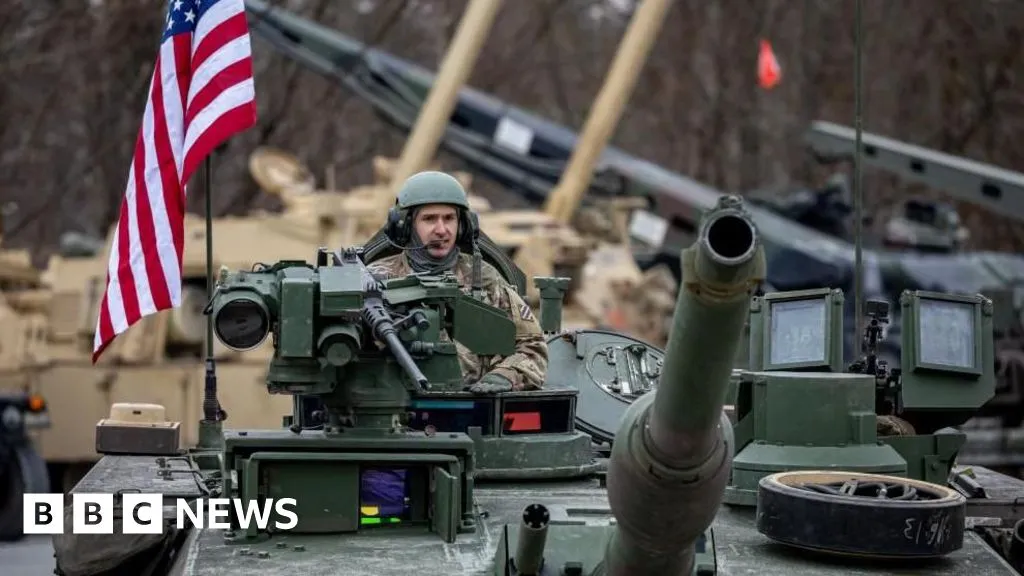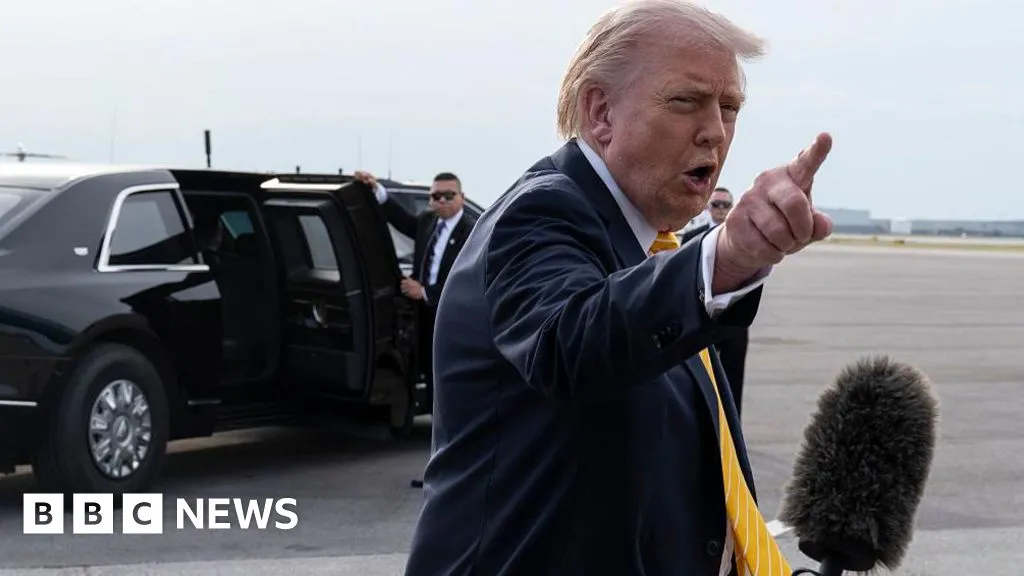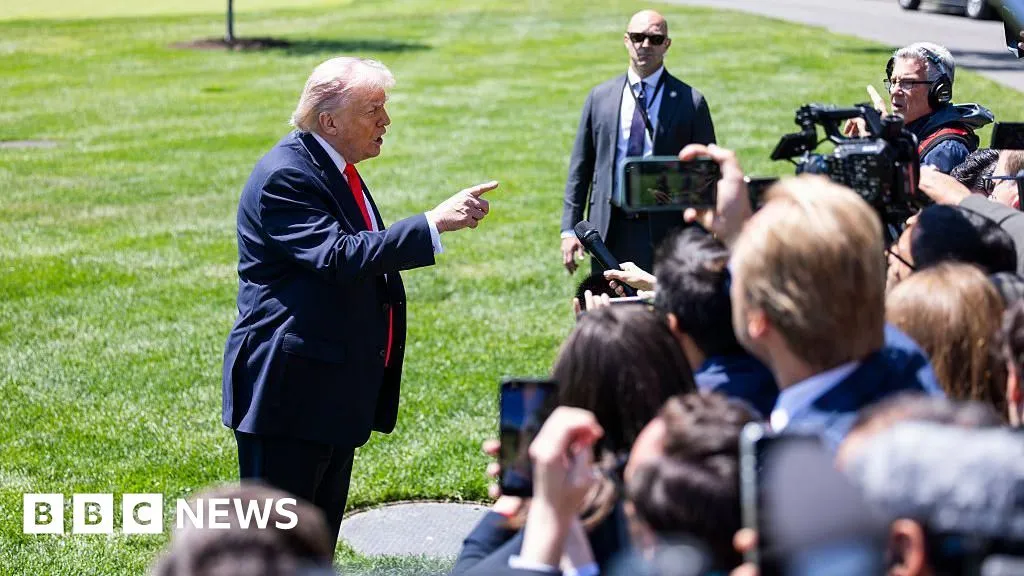
President Donald Trump has voiced his frustration over the stalled negotiations with Iran, stating on Friday, "I am not happy" with the progress, as a crucial deadline for seeking congressional approval for military action approaches.
The remarks come as the administration marks 60 days since Trump officially notified Congress of the military strikes against Iran on March 2. According to U.S. law, a president must cease military operations within this timeframe unless Congress issues a formal declaration of war or grants a 30-day extension for troop withdrawal.
U.S. Secretary of Defense Pete Hegseth attempted to reassure lawmakers, indicating that a pause in hostilities has been initiated, which he argues effectively halts the legal countdown. The ceasefire, reportedly in effect since early April, has yet to transform into a lasting agreement, even as Iranian state media announced a fresh proposal aimed at reviving negotiations.
Trump reflected on conversations with Iranian officials, emphasizing the confusion within their ranks, stemming from significant military losses. "It’s been hard to reach a deal because their leadership is very confused," he stated. Concurrently, options presented by U.S. Central Command ranged from intensified military action to diplomatic resolutions, underscoring the complexities of the situation.
Market reactions to the ongoing tensions have been pronounced. Oil prices soared in anticipation of potential military escalations after Iran's closure of the Strait of Hormuz, the world's pivotal oil shipping corridor. However, they experienced a decline following reports of Iran's latest overture, signaling a glimmer of hope for de-escalation.
In a Senate hearing on Thursday, Hegseth defended the administration's interpretation of the War Powers Resolution, which outlines the legal framework governing military engagement. Yet, Democratic Senator Tim Kaine challenged this view, asserting that the statute does not support pausing the 60-day deadline amidst a ceasefire.
Legal experts have raised significant concerns regarding this interpretation. Professor Heather Brandon-Smith from Georgetown University noted, "The secretary's claim about hostilities coming to an end does not match up with the evidence," highlighting ongoing military actions, including a blockade of Iranian ports, which some argue constitutes a form of hostility.
As both the courts and Congress prepare to navigate the complex legal landscape, the White House remains at a critical juncture. The coming days will be pivotal, as the administration balances international relations and domestic legal obligations.
For now, the future of U.S.-Iran diplomacy and potential military action hangs in a precarious balance.
Source: BBC World News