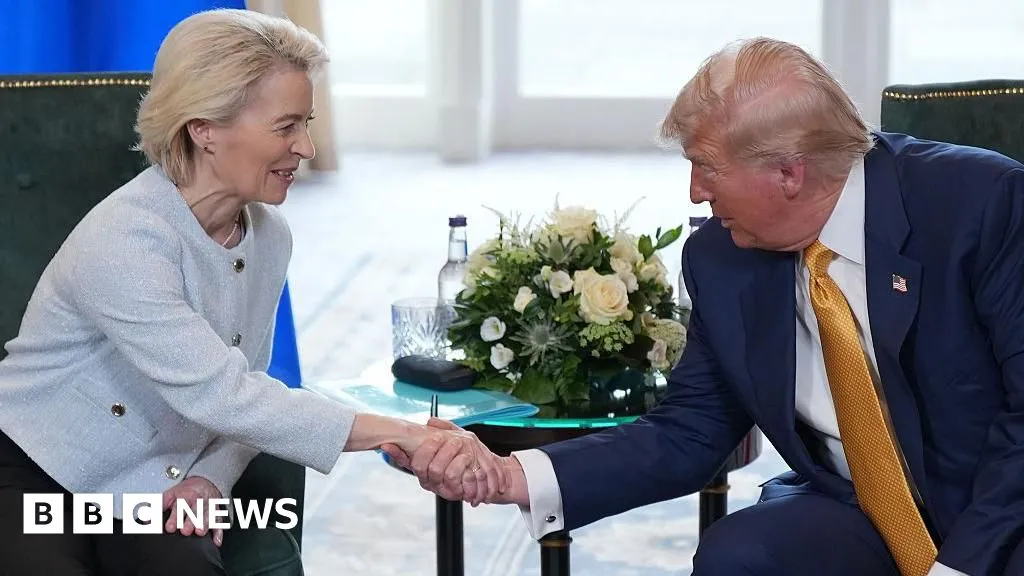
In a bold move signaling a flashpoint in US-EU trade relations, President Donald Trump declared a substantial increase in tariffs on automobiles from the European Union, raising rates from 15% to 25%. This announcement comes as ongoing negotiations to resolve trade disputes have hit a significant impasse.
Trump took to Truth Social to communicate his decision, accusing the EU of failing to comply with their trade agreement established last July. "I am pleased to announce that… next week I will be increasing Tariffs charged to the European Union for Cars and Trucks," he wrote, though he offered no specifics on how the EU allegedly strayed from the terms. 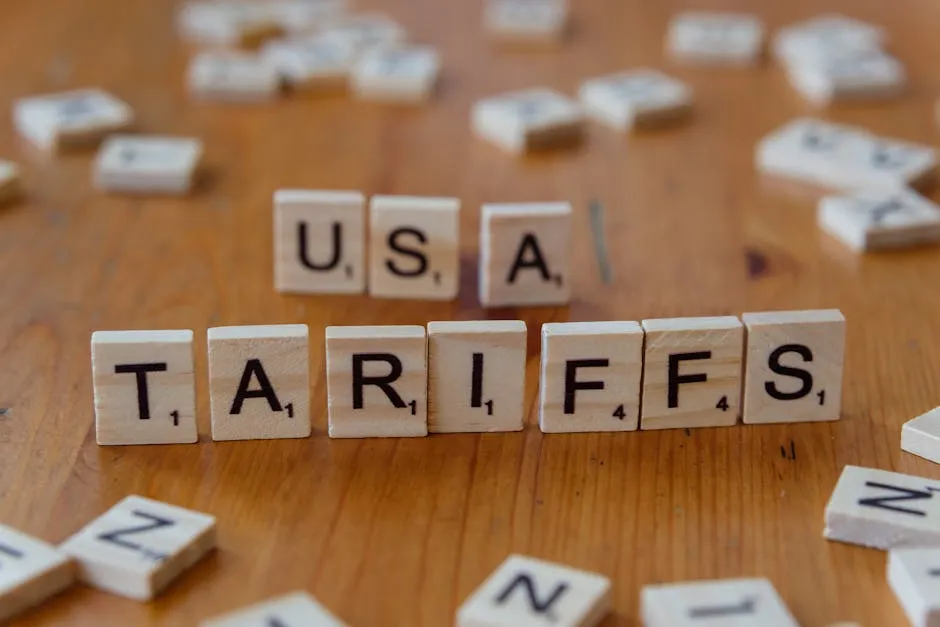
This latest escalation targets a crucial component of Europe's economy: the automotive sector. Major European economies, including Germany and France, had previously rejected proposed adjustments to tariffs on a variety of goods, further complicating discussions on the EU-US trade deal. Originally negotiated at Trump’s Turnberry golf course in Scotland, the existing levies provided a temporary respite from the severe 30% tariffs Trump had threatened before.
Compounding the situation, heightened tensions arose from Trump's controversial threats concerning Greenland, prompting the European Parliament to pause the deal's approval in January. The Parliament later ratified the agreement in March, incorporating a clause that allows for suspension should the US administration be seen as undermining the deal's objectives or engaging in economic coercion.
During a press conference, when pressed on the specifics of the alleged EU non-compliance, Trump refrained from elaborating. Instead, he reiterated his stance: "We have a trade deal with the European Union. They were not adhering to it. So I raised the tariffs on cars and trucks." In a bid to entice European manufacturers, Trump also urged them to relocate production to the US, promising no tariffs for vehicles made in American facilities. "It is fully understood and agreed that, if they produce Cars and Trucks in U.S.A. Plants, there will be NO TARIFF," he affirmed.
Highlighting positive developments in the US automotive landscape, Trump asserted that record investments are being funneled into car and truck manufacturing plants across the country. "There has never been anything like what is happening in America today," he stated, projecting an image of a robust US economy bolstered by domestic production.
Despite the administration's tariffs under the International Emergency Economic Powers Act (IEEPA) being deemed illegal by the Supreme Court, this new tariff initiative on cars falls under a different legal framework and is unaffected by the ruling. As the situation evolves, both the US and EU brace for potential repercussions as the global trade landscape shifts dramatically.
Source: BBC
Source: BBC Business