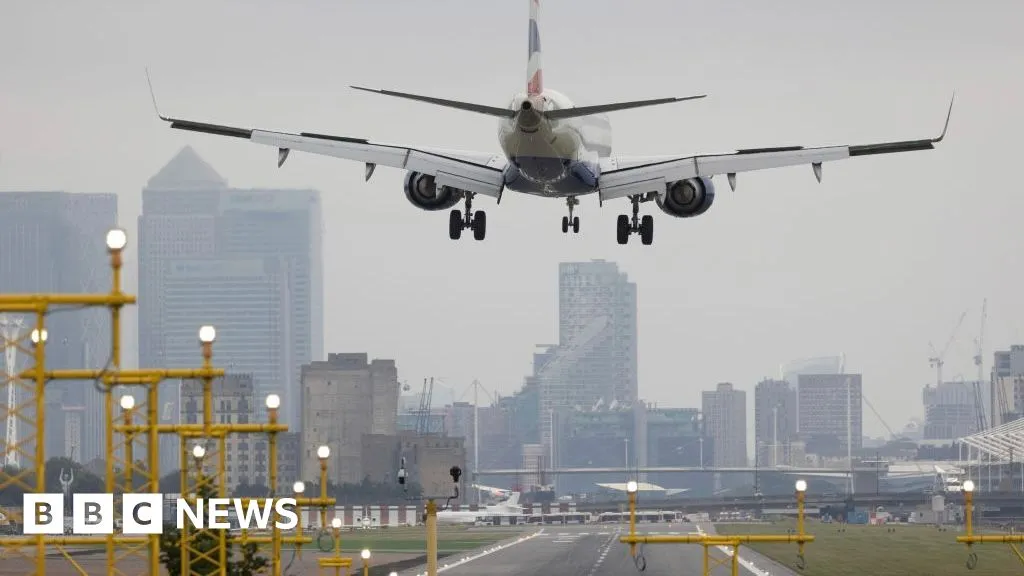
The UK government has unveiled a strategic plan that permits airlines to cancel flights well in advance in response to potential fuel shortages this summer, an initiative aimed at alleviating the risk of last-minute disruptions for travelers.
As concerns mount over fuel supplies due to the ongoing conflict in the Middle East, ministers have concluded that proactive measures are necessary to ensure smooth operations during the peak travel season. With the UK's fuel imports primarily sourced from the region, the instability surrounding the Strait of Hormuz has sparked fears of delivery interruptions, prompting officials to act swiftly.
New Measures to Mitigate Disruptions
Under the recent provisions, airlines can now cancel flights up to two weeks in advance without jeopardizing their valuable takeoff and landing slots at crowded airports such as London's Heathrow and Gatwick. Typically, these slots, which can be worth millions, require airlines to operate flights at least 80% of the time to retain them.
Recognizing the operational challenges posed by fluctuating fuel supplies, the government reassured carriers that newly modified guidance would protect their slots in instances where fuel shortages dictate a change in flight schedules. "We’re preparing to give families long-term certainty and avoid unnecessary disruption at the departure gate this summer," stated Transport Secretary Heidi Alexander.
Airlines are currently not reporting fuel supply problems; however, industry experts caution that disruptions could arise within weeks if the situation escalates. The International Energy Agency has warned that European nations could face significant fuel shortages by mid-summer if alternative supplies are not secured.
Flexibility for Airlines
This legislative change aims to provide airlines with the flexibility to manage their schedules effectively. As a part of the initiative, carriers will be given the ability to temporarily relinquish unused slots, ensuring their right to reclaim them in the subsequent year. This reform not only helps airlines avoid unnecessary flights but also enables them to maintain operational efficiency while safeguarding connectivity for passengers and businesses alike. 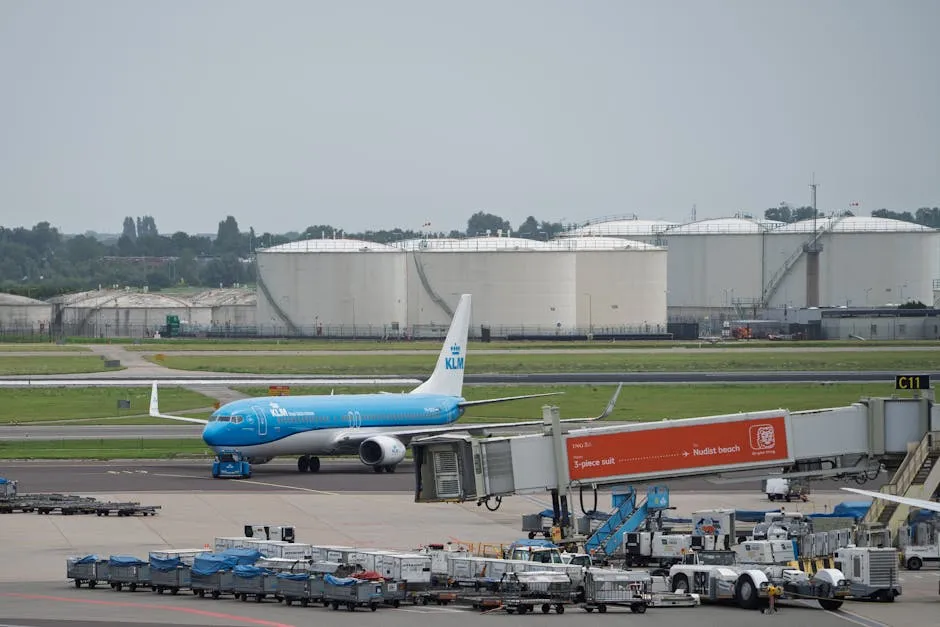
Tim Alderslade, CEO of Airlines UK, expressed support for the initiative, asserting it would enhance operational strategies amid uncertainties, adding that it is vital for the sustainability of travel and trade.
Future Considerations for Jet Fuel Supply
In addition to schedule adjustments, the government is actively exploring options to bolster jet fuel supply, including a potential shift to using Jet A fuel, a specification more commonly utilized in the United States. This alternative could provide continuity for UK airlines, although infrastructure challenges and high demand present significant hurdles for implementation.
As airlines and the government navigate these developments, passengers should remain informed of their rights in the event of flight cancellations or delays. Under current regulations, travelers are entitled to compensation and assistance, ensuring support during tumultuous travel periods.
As this situation continues to evolve, stakeholders remain vigilant, crafting strategies to maintain uninterrupted travel while addressing the critical challenges posed by global fuel supply chains.
Source: BBC Business