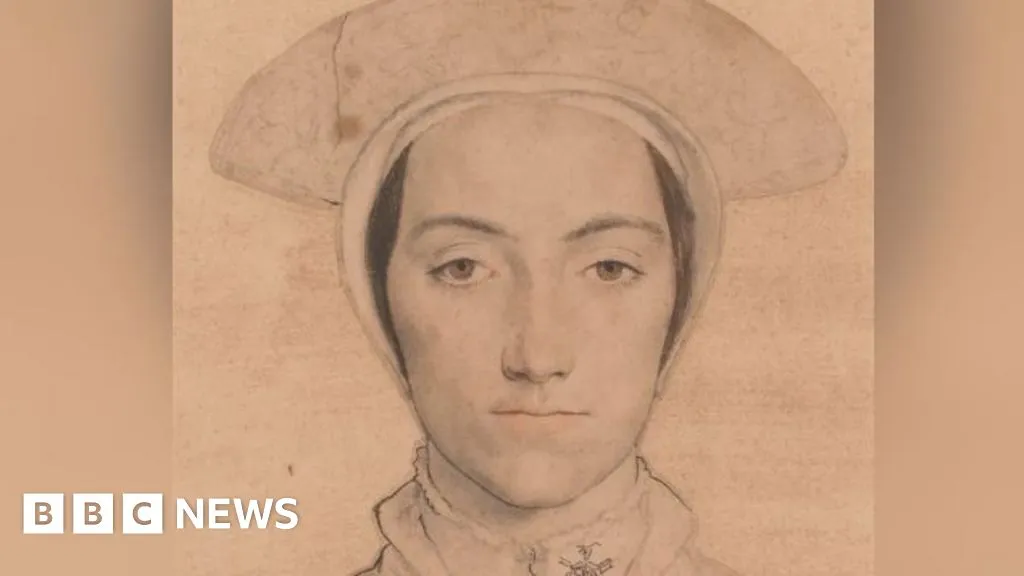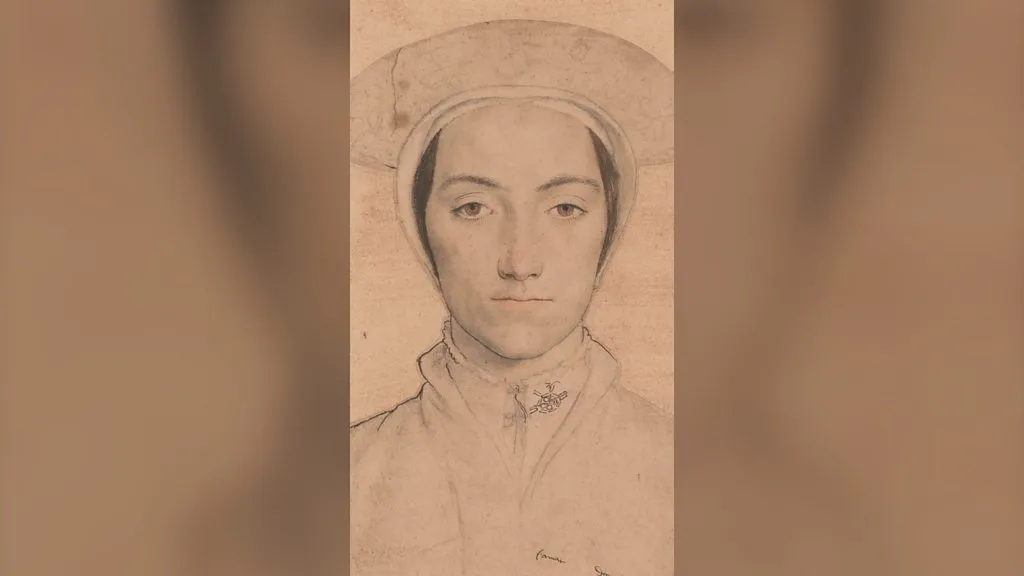
In a groundbreaking revelation, recent advancements in artificial intelligence have cast doubt on long-held beliefs regarding the appearance of Anne Boleyn, the infamous second wife of King Henry VIII. While iconic portraits and historical texts have shaped our understanding of her visage for centuries, an innovative algorithm suggests that these representations may not accurately reflect her true likeness.
Unveiling the Algorithm
Researchers utilized advanced facial recognition technology to analyze a multitude of historical images believed to depict Boleyn. By cross-referencing these with genetic and anthropological data, the AI was able to form a more scientifically grounded approximation of her facial features. This analytical approach has sparked both awe and skepticism in the academic community, with some historians championing the findings while others urge caution.
Why This Matters
The implications of this research extend far beyond mere aesthetics, touching on the very fabric of Tudor history and the legacy of one of its most polarizing figures. Understanding what Boleyn really looked like could change our perception of her role in the tumultuous events that led to her execution in 1536, emphasizing the human aspects of her story rather than the romanticized narratives often depicted in popular culture.
Furthermore, the findings have spurred discussions about how technology can reshape historical discourse. Experts are divided on whether this AI-generated likeness will displace traditional historical art or complement it, as audiences increasingly turn to digital mediums for insights into the past. The visual comparison of these two approaches promises to stir debate in museums and classrooms alike.
Future of Historical Representation
As AI technologies continue to evolve, they may offer more transparent and nuanced portrayals of historical figures, blending data with artistry. This case highlights a pivotal moment in the intersection of history and technology, raising crucial questions about authenticity and interpretive representation.
While it remains to be seen how this new understanding will influence future studies on Boleyn and her legacy, one thing is clear: the past is being revisited and reimagined with unprecedented clarity and complexity.
Source: BBC Science