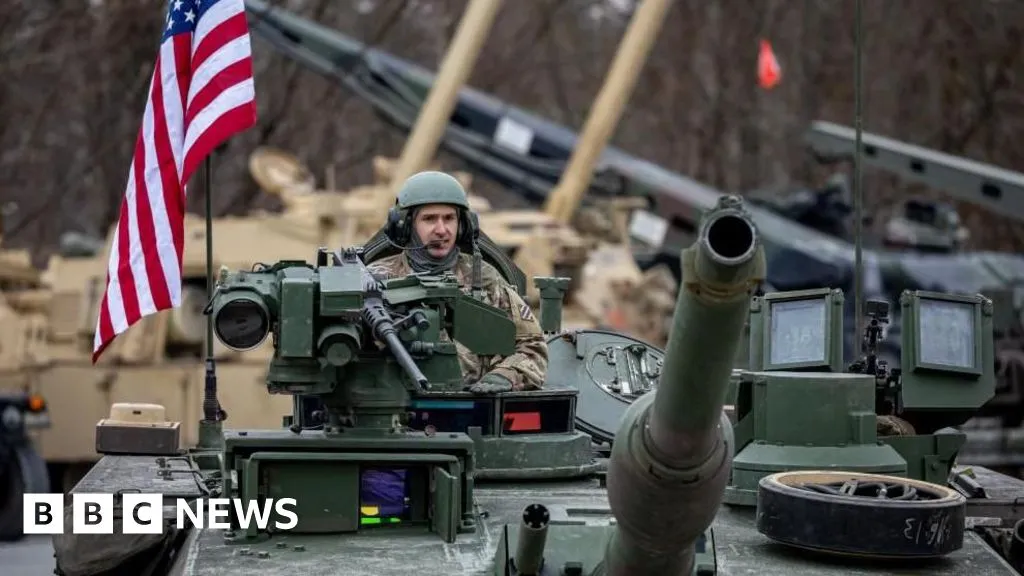
Germany’s Defense Minister Boris Pistorius has declared the impending withdrawal of 5,000 US troops from the country as "foreseeable," igniting a wave of apprehension within NATO regarding the future of military presence in Europe. In light of this strategic shift, NATO officials are proactively seeking clarification from Washington to better understand the implications for the alliance.
Pistorius emphasized that the continued stationing of American forces in Germany not only serves the interests of Berlin but also strengthens transatlantic ties crucial for stability. "The presence of American soldiers in Europe is vital for our collective security," he stated in remarks to the DPA news agency. Meanwhile, NATO spokesperson Allison Hart confirmed that the alliance is actively engaging with the US government to gain more insights into the decision.
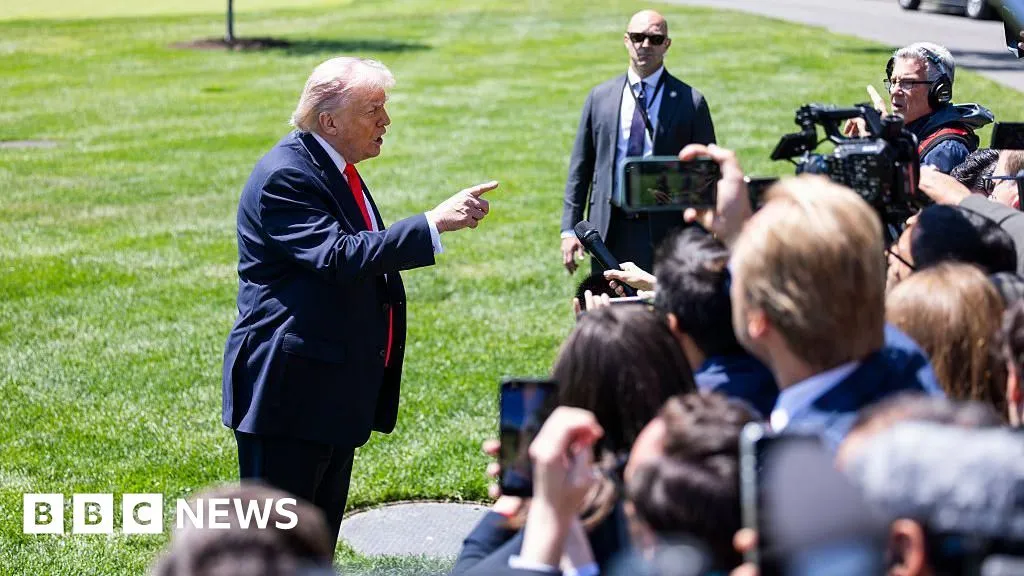
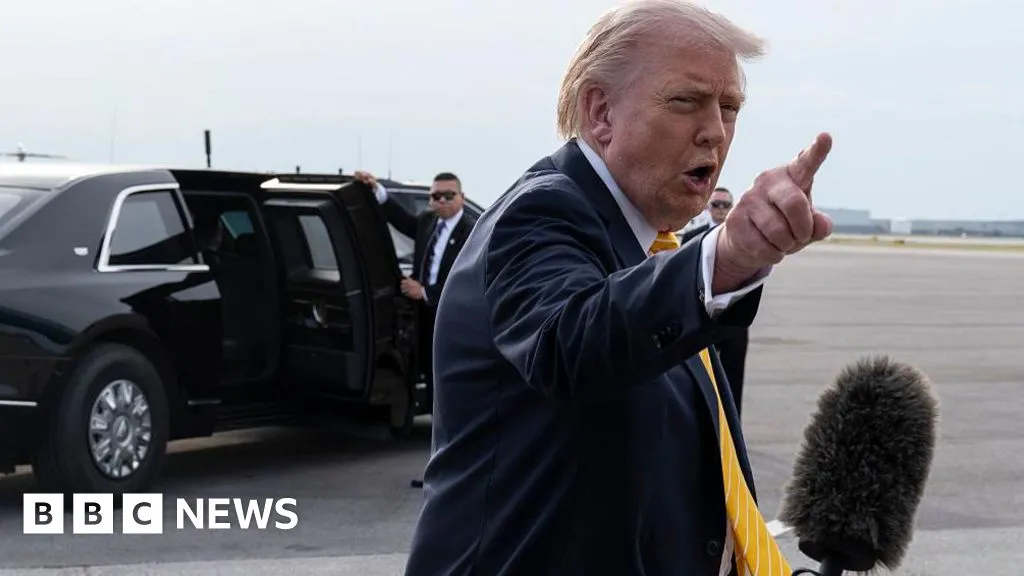
The troop reduction comes amidst rising tensions stemming from comments made by German Chancellor Friedrich Merz, who criticized US negotiations with Iran, prompting a sharp rebuttal from US President Donald Trump. Amidst this backdrop, Trump previously indicated that more significant cuts could be coming, potentially extending troop reductions beyond the announced figure.
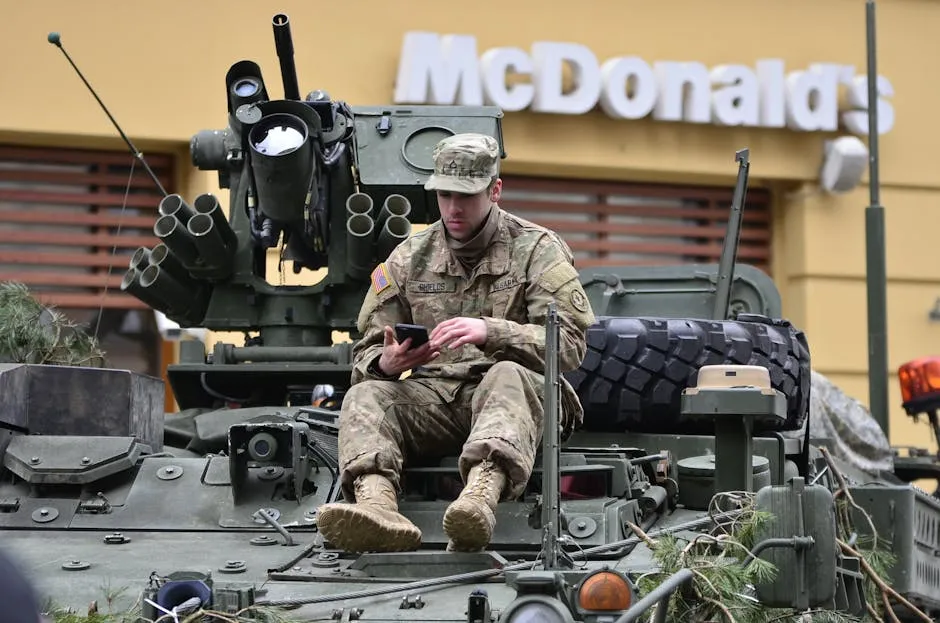
Currently, over 36,000 US service members are stationed in Germany, representing the largest American military presence in Europe. This is markedly higher than the approximated 12,000 troops in Italy and 10,000 in the United Kingdom. In Trump’s recent remarks, he hinted at an even more substantial pivot away from Europe towards concentrating military resources in the Indo-Pacific, a concept he introduced last year with a notable reduction in US forces in Romania.
Growing concern among NATO member states is palpable, particularly as Poland’s Prime Minister Donald Tusk warned of the potential weakening of the alliance itself: "The greatest threat to the transatlantic community comes not from external adversaries but from the fraying of our unity. We must take necessary steps to reverse this trend," he urged.
Two Republican lawmakers, Senators Roger Wicker and Representative Mike Rogers, voiced their dismay over the ongoing troop withdrawal, arguing that it undermines deterrence efforts in Europe. They contend that maintaining a robust military presence is critical for regional security, especially given the ongoing conflicts that plague the continent.
The backdrop of troop cuts has sparked an intensified discussion about European military responsibility, with Pistorius asserting that Germany is poised to take on a more significant role in regional defense. Under the current administration, defense spending is set to see a significant boost, with projections indicating a defense budget reaching €105.8 billion (£91 billion) by 2027—an increase anticipated to hit 3.1% of Germany’s GDP.
As discussions continue between NATO and US officials, the implications of these troop adjustments are considerable. With increasing calls for European nations to shoulder more defensive responsibilities, this shifting landscape poses vital questions about the future of cooperative security arrangements in the region.
The ongoing tension between Trump and Merz over Iran negotiations is characterized by an exchange of pointed remarks. Merz's assertion that the US had been "humiliated" in recent discussions appeared to incite Trump's swift responses on social media, accusing the Chancellor of obliviousness to Iran's nuclear ambitions. In light of these developments, Pentagon spokesperson Sean Parnell confirmed that the decision to withdraw troops was directed by Defense Secretary Pete Hegseth, with an expected completion timeline of six to twelve months.
As NATO grapples with these profound changes, the effectiveness of the alliance in fulfilling its mission faces new and challenging tests.
Source: BBC World News