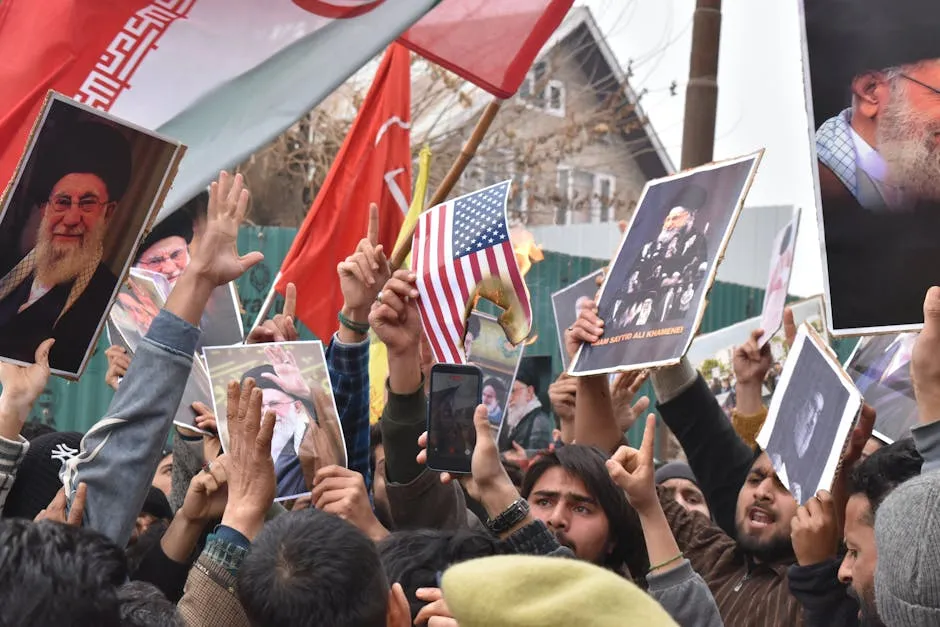
In a dramatic twist in the ongoing diplomatic saga, Iran has announced that it has received a response from the United States regarding its latest peace proposal, according to state-linked media. However, the US has yet to formally confirm this assertion, leaving a cloud of uncertainty hanging over negotiations aimed at de-escalation.
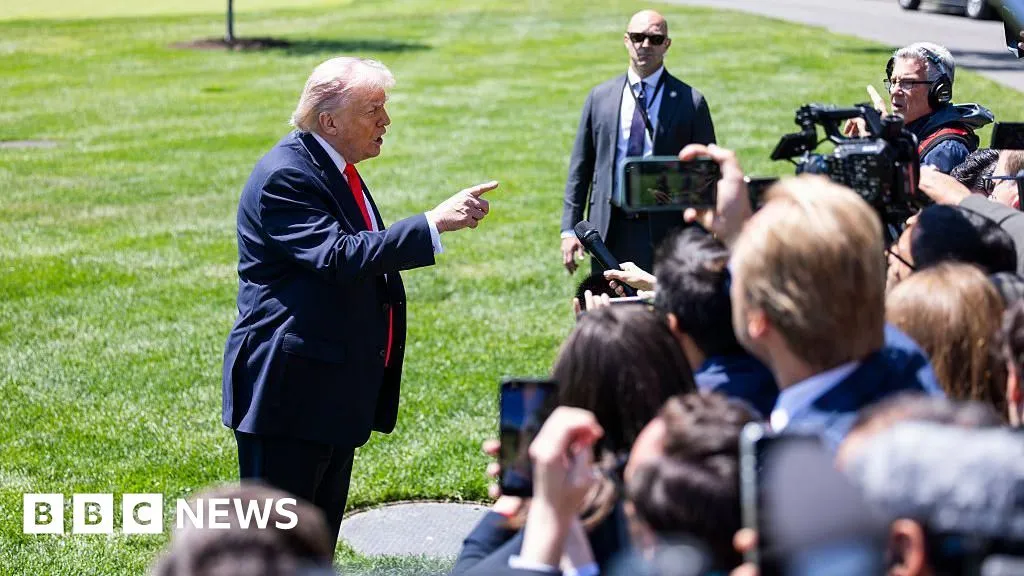
Iranian foreign ministry spokesperson Esmaeil Baghaei stated that the US response, conveyed through Pakistan, is currently under review. Despite Iranian claims, President Donald Trump reportedly dismissed the proposal as 'unacceptable' in a conversation with Israel's Kan News over the weekend.
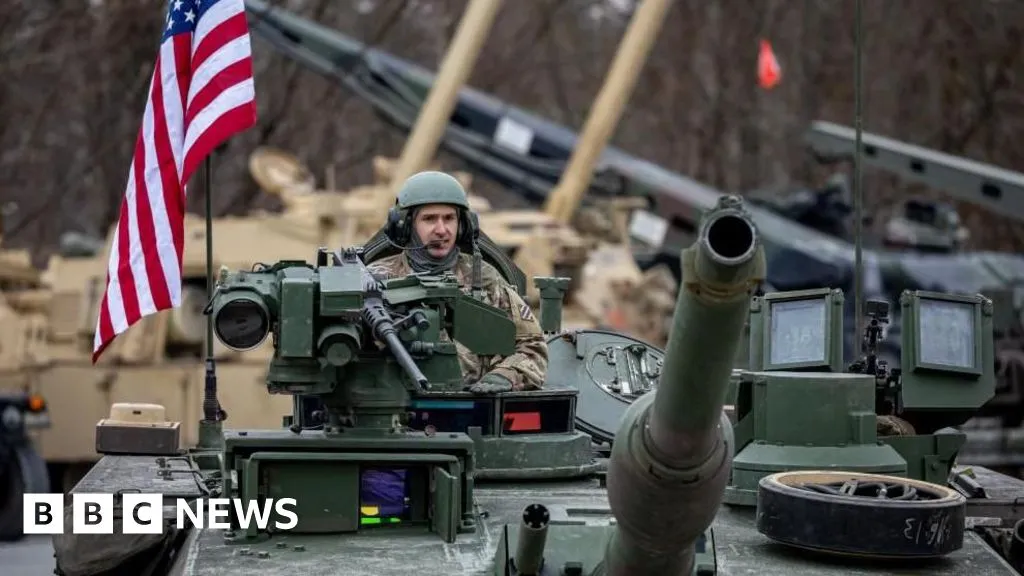
The contentious proposal, articulated in a 14-point peace plan, calls for the withdrawal of US forces from Iranian borders, the lifting of naval blockades on Iranian ports, and an immediate ceasefire of hostilities, including those by Israel in Lebanon. Furthermore, it urges both nations to focus on ending the conflict within 30 days rather than simply extending a ceasefire.
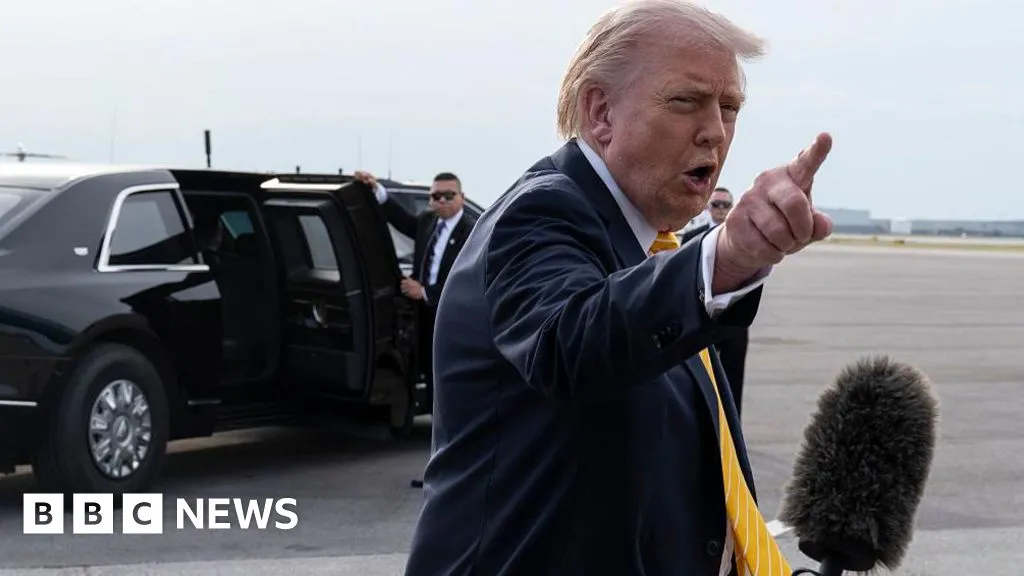
Despite Iran's overtures for peace, the situation remains precarious. Trump has expressed a willingness to continue military actions, stating that renewing strikes on Iranian targets remains 'a possibility' should Iran 'misbehave.' As tensions rise, both sides have faced allegations of escalating hostilities, including Iran's strict limitations on maritime traffic through the vital Strait of Hormuz—a critical artery for global oil transport—since the outbreak of conflict in February.
Trump's administration has been vocal about not lifting sanctions or encouraging military withdrawals without a significant shift in Iranian policy. On a recent social media post, Trump indicated he would be reviewing Iran's peace proposal soon, but with skepticism on its viability given Iran's past actions, which he outlined as requiring a 'big enough price’ for their historical conduct.
In an attempt to offer some relief for disrupted shipping lanes, Trump called for the initiation of 'Project Freedom', a plan to assist countries with vessels stranded in the Strait of Hormuz. He stated this initiative would commence on Monday and warned that any interference would be met with 'forceful' consequences.
As both nations navigate this fraught landscape, the interconnected issues of nuclear negotiations, military engagement, and regional stability loom large. Trump reaffirmed his stance that 'Iran can never have a nuclear weapon', reiterating a hardline approach that complicates the pathway toward diplomatic resolution.
As the international community watches closely, the unfolding relationships will shape not only the fate of US-Iran ties but potentially impact geopolitical dynamics throughout the Middle East.
Source: BBC News
Source: BBC World News