A groundbreaking injectable form of the immunotherapy drug Keytruda is set to transform cancer treatment for thousands of patients across the UK, slashing hospital time from hours to mere minutes. This innovative approach not only promises to enhance patient comfort but also aims to alleviate pressure on the NHS by streamlining treatment processes.
Previously administered via a lengthy intravenous infusion, Keytruda, which has become a staple in the fight against various cancers since its introduction in 2015, can now be delivered in as little as a minute. This shift is expected to benefit approximately 14,000 patients each year in England, who will now spend significantly less time in clinical settings, freeing them to return to their daily lives more swiftly.
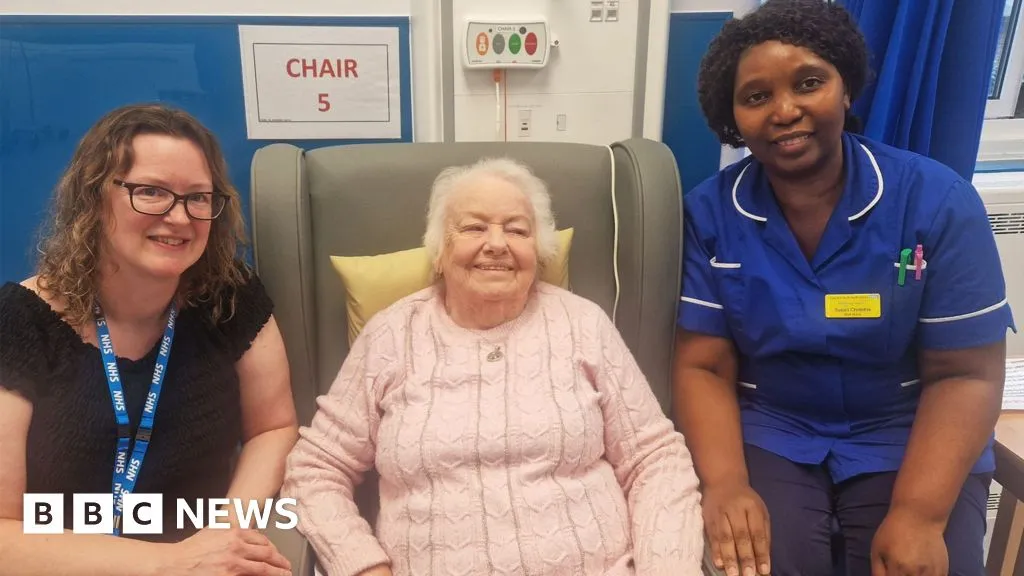
Shirley Xerxes, an 86-year-old from St Albans, was among the first to receive this new injection at the Mount Vernon Cancer Centre. Reflecting on her experience, she shared, "I was in the chair for a matter of minutes instead of an hour or more. It's made such a difference and gives me more time to live my life, including spending more time gardening." 
The injectable form of Keytruda, scientifically known as pembrolizumab, will be administered either as a one-minute injection every three weeks or a two-minute injection every six weeks, depending on the cancer type being treated. With its application spanning 14 distinct cancer types, including lung, head and neck, and breast cancers, this update marks a significant milestone in personalized cancer care.
Professor Peter Johnson, NHS England's national clinical director for cancer, emphasized that this change not only reduces the burden on patients but also on healthcare facilities. "Managing cancer treatment and regular hospital trips can be really exhausting," he explained. "If we can do this in a much shorter period, it frees up space in our chemotherapy units and means we can start thinking about giving treatment in the community and away from hospitals."
The development of this injectable formulation comes amid growing criticism and scrutiny over the pharmaceutical industry's pricing strategies. Keytruda remains one of the most profitable drugs globally, with sales approaching $30 billion in 2025 alone. As patents begin to expire between 2028 in the U.S. and 2031 in Europe, analysts speculate that the introduction of the injectable version may be a strategic move to maintain market dominance against potential generics.
The NHS has refrained from disclosing the cost of this new injectable treatment, citing confidentiality in its negotiation with Merck Sharp & Dohme, the drug's manufacturer. However, it is believed that the pricing will align closely with existing formulations, ensuring continued access for NHS patients.
This shift in cancer treatment delivery represents a significant leap forward in patient care, showcasing the NHS's commitment to making substantial improvements in the healthcare experience for patients battling cancer.
Source: BBC Health