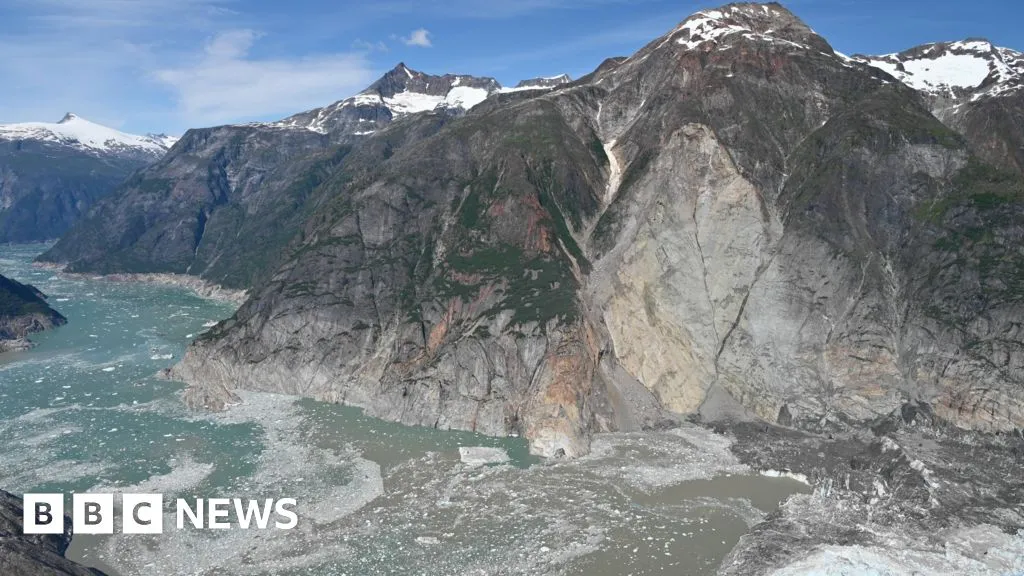
A colossal megatsunami, triggered by a massive landslide in Southeast Alaska, has emerged as the second tallest wave ever recorded, highlighting the alarming risks posed by climate change. This devastating phenomenon unfolded in August 2025 in a remote fjord, leaving destruction in its wake and raising urgent questions about the stability of glacier-fed landscapes.
The landslide involved a staggering 64 million cubic meters of rock—equivalent to 24 Great Pyramids plunging into icy waters within minutes, generating a monstrous wave that reached nearly 500 meters in height. Had the event occurred during peak tourist hours, the consequences could have been catastrophic, according to Dr. Bretwood Higman, an Alaskan geologist who investigated the aftermath.
"We know that there were people that were very nearly in the wrong place," Dr. Higman remarked, expressing his concerns over the rising frequency of such incidents. "I’m quite terrified that we’re not going to be so lucky in the future." 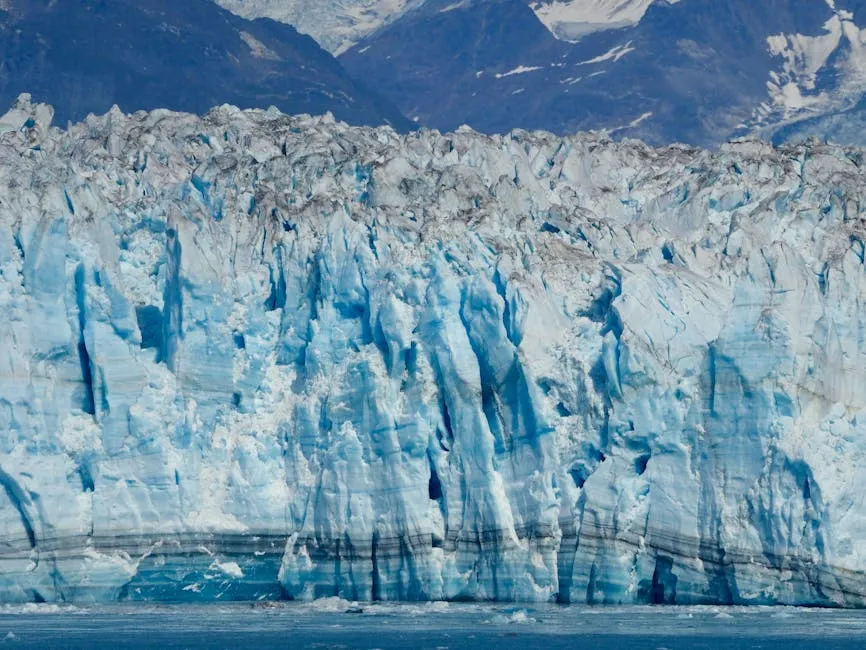
Understanding the Megatsunami Hazard
Megatsunamis are unique, localized tidal waves generated by landslides caused by earthquakes or the collapse of unstable rock formations. Unlike the more familiar tsunamis generated by seismic activity in the ocean, these waves dissipate relatively quickly. The largest megatsunami, which occurred in the 1950s, surpassed 500 meters in height but was also rare. The recent event at Tracy Arm Fjord represents a significant concern for future tourism and safety.
The Role of Climate Change
Researchers have linked the increasing frequency and severity of these megatsunamis to climate-driven glacier melt. A new study published in *Science* dissects the chain of events leading to the catastrophic wave, attributing part of the vulnerability to the retreat of ice that has historically stabilized the cliffs. Dr. Stephen Hicks from University College London stated, "The glacier was previously helping to hold up this piece of rock, and as the ice retreated, it exposed the bottom of the cliff face, allowing that rock material to suddenly collapse into the fjord."
The increased vulnerability is alarming, particularly as tourism in these remote areas grows. Visitors seeking to witness the dramatic beauty of glaciers may unknowingly be placing themselves in precarious situations. Dr. Higman asserted that the risks associated with megatsunamis are escalating significantly, suggesting that they could occur ten times more frequently than just several decades ago.
A Call to Action
In light of these findings, scientists advocate for comprehensive monitoring and hazard assessments across Alaska. Some cruise lines have already altered their itineraries, opting out of the Tracy Arm route amid rising safety concerns.
With the dual forces of climate change and geological instability reshaping the landscape, the implications of this megatsunami serve as a critical warning for communities and tourists alike.
Source: BBC News
Source: BBC Science