As society grapples with the inevitability of death, a growing number of individuals are turning to death doulas, or soul midwives, for compassionate guidance and support. These trained professionals provide emotional and practical assistance during life's most defining moment—the end of life.
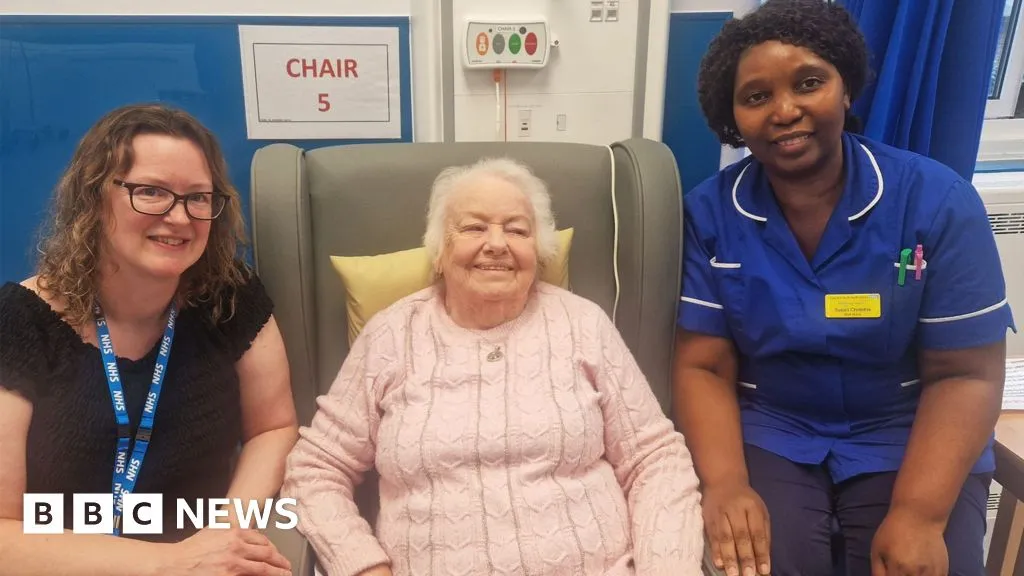
Rita Ball, a seasoned death doula based in London, reflects on her experiences. "Holding a person’s hand in their final moments is profoundly meaningful," she states, recounting the raw and intimate nature of witnessing a life transition. Over the past three years, Ball has dedicated her efforts to supporting families and volunteering in NHS care homes, emphasizing the critical emotional space she helps create.
With an increasing interest in conscious dying practices, the role of death doulas has surged over the past decade. Emma Clare, Chief Executive of End of Life Doula UK, reported that 114 new doulas joined the organization in 2025—a striking increase bolstered by notable figures such as Nicole Kidman and Davina McCall announcing their intentions to pursue this path.
Ball highlights a common sentiment among families: the uncertainty of what they are “allowed” to do as their loved ones near death. "There’s a palpable sense of relief when I reassure them that it’s okay to hold their hands, kiss them, or play soothing music," she explains. Such reassurance plays a vital role in alleviating anxiety during this vulnerable time.

Fanny Behrens, who engaged with death doula Sarah Parker months before her husband succumbed to cancer, reflects on their collaboration. "Sarah provided a safe space for my grief," Behrens shares, recalling moments of vulnerability in Parker’s presence. With Parker's gentle guidance, Behrens was able to address difficult conversations about her husband's wishes, from funeral arrangements to final resting places.
Parker's approach exemplifies the doula's dual role as both emotional support and practical guide. "Understanding the physical process of dying can demystify the experience for families," Parker elaborates. By educating the dying and their loved ones about the symptoms and sounds associated with death, including the often frightening 'death rattle,' doulas mitigate fear and create a space for more meaningful interactions.
Krista Hughes, a soul midwife at the Mulberry Centre, underscores the importance of fostering a deep connection with the dying. "Just as we hope for a gentle arrival into life, we desire for a loving departure," Hughes notes. Her practice involves creating comforting environments—transforming hospital rooms into soothing havens with lavender scents and sounds of nature to fulfill the dying person's last wishes.
Moreover, the work of death doulas often extends beyond the moment of passing. They assist families post-death, facilitating memorial services and offering ongoing bereavement support, as emphasized by Ball’s commitment to fostering connections even after death. This inclusivity blends traditional mourning with a contemporary approach to sharing grief and remembrance within communities.
As the dialogue around death evolves, the rising prominence of death doulas continues to illuminate essential truths about the process of dying. In demystifying the final chapters of life, these compassionate guides are championing a more humane narrative surrounding death—one that embraces grief while celebrating the beauty found in love and connection at life’s end.
Source: BBC Health