As a potential hantavirus outbreak unfolds aboard the MV Hondius, authorities are mobilizing to repatriate affected passengers, sparking questions about the wider public health risk. Three fatalities have been reported in connection with the cruise, which embarked from Argentina and ventured into remote wildlife territories, highlighting the mystery behind this rarely discussed virus.
Health Officials Launch Repatriation Efforts
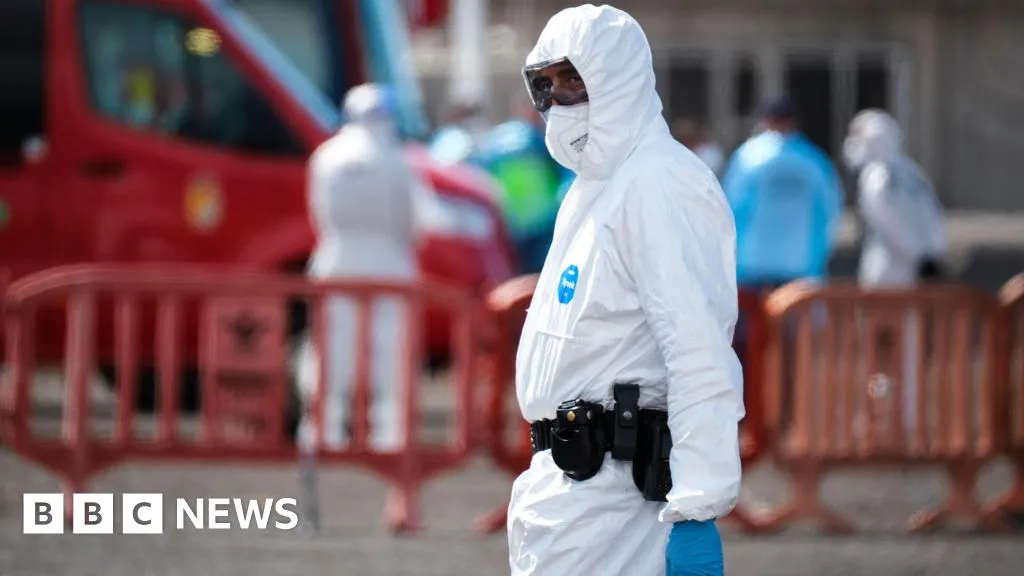
In a coordinated operation, passengers deemed at risk are being flown back to their home countries for isolation and medical supervision, while others who departed earlier are undergoing rigorous contact tracing. While the outbreak has triggered alarms, health officials emphasize that the risk of broader transmission remains low.
Understanding Hantavirus: A Low Risk
Dr. Maria Van Kerkhove, a key figure at the World Health Organization (WHO), reassured the public during a recent briefing. "This is not Covid, this is not influenza; it spreads very, very differently," she stated, delineating the considerable contrasts between hantavirus and more contagious diseases such as measles. Currently, eight cases linked to the cruise ship have been identified, with six confirmed as the Andes strain—a strain notorious for its low human-to-human transmission.
The Disease's Transmission Pathways
Traditionally, hantavirus is contracted via exposure to rodent waste—urine, droppings, or saliva—which has led to speculation regarding how the initial infection occurred on the cruise. Passengers had the potential to come into contact with infected rodents during excursions in remote locales, but the precise origin of this outbreak remains elusive. Given the MV Hondius's relatively confined quarters, health experts suggest that close contact among crew and passengers may facilitate transmission.
Precautions and Isolation Measures
The tragic losses include a Dutch woman who succumbed to the virus after disembarking at St. Helena, following the death of her husband onboard, raising concerns about how closely these individuals interacted with confirmed cases. The UK Health Security Agency reassures that hantavirus is not spread through casual interactions in public spaces, making everyday activities low-risk for the general population.
Ongoing Monitoring and Precautionary Strategies
Passengers returning from the cruise are mandatorily self-isolating, with fourteen Spanish nationals held in a military facility in Madrid, while twenty British evacuees are quarantined at Arrowe Park Hospital in Merseyside. As part of the precaution, they will remain monitored for a 72-hour initial observation followed by an extended 42-day self-isolation.
The Path Ahead
While the health status of evacuees remains stable, vigilance persists, with ongoing contact tracing called a “mammoth effort” by Professor Robin May, chief scientific officer at the UKHSA. “We will continue to do this for some time,” he affirmed, indicating a proactive approach to managing potential cases in the wake of this unique pathogen.
A Broader Context
As medical teams navigate these challenges, the public is encouraged to remain informed yet calm, particularly as official advisories continue to highlight that those not directly implicated in this incident are at an extremely low risk of exposure. The situation serves as a reminder of the vigilance needed in public health, especially in the context of unusual outbreaks.
As health officials monitor the situation closely, updates will continue to be shared to ensure the public remains well-informed and prepared.
Source: BBC News
Source: BBC Health