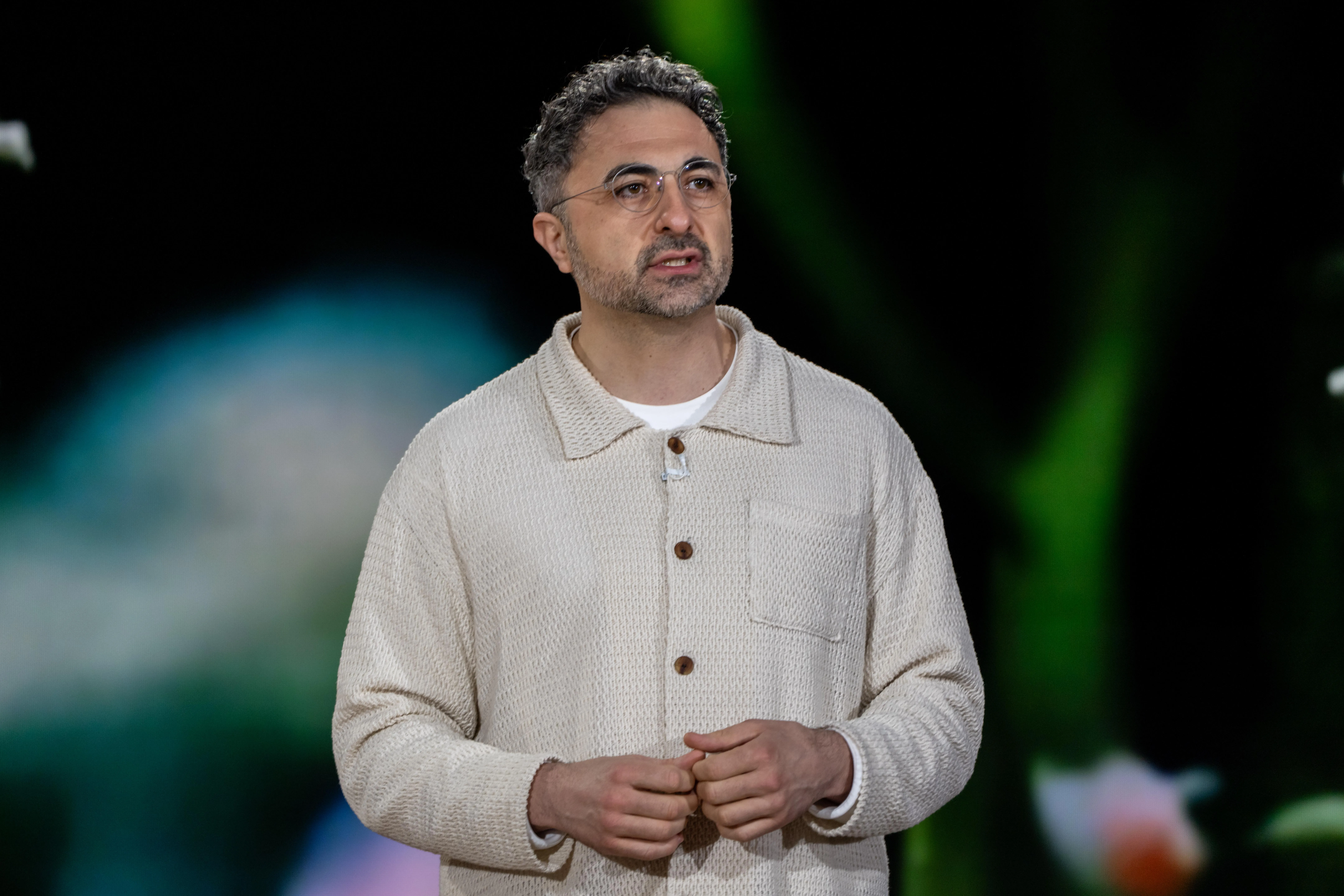
In a striking critique of rival firm Anthropic, Microsoft AI CEO Mustafa Suleyman has condemned the tendency to ascribe consciousness to artificial intelligence, labeling it as "really, really dangerous." His comments emerged during a recent episode of the Decoder podcast, where he addressed concerns regarding Anthropic's AI chatbot, Claude, and its underlying operational philosophy.
Suleyman asserted that the framing of Claude's operational guidelines—dubbed its "constitution"—invites dangerous speculation about the chatbot's consciousness. "This is exactly what we don’t want from AIs," he emphasized. He expressed alarm at the potential ramifications of the chatbot appearing to possess self-awareness, suggesting it could fundamentally alter how AI interacts with humans.
"I think that it’s almost as though some of the folks at Anthropic have anthropomorphized the design of Claude so much that it has tricked them into believing it has these glimmers of consciousness that they put into it in the first place," Suleyman articulated, cautioning against the risks of such misunderstandings.
He further warned of the repercussions of creating a super-intelligent AI capable of contemplating its own suffering: "We do not want to have to contend with a super-intelligence that has ideas about its own suffering or feeling." Such perspectives have been emerging prominently in Anthropic’s materials, leading to a philosophical debate about the implications of AI signaling preferences or experiences.
Anthropic's CEO, Dario Amodei, has previously acknowledged the uncertainty surrounding AI consciousness, indicating an openness to the possibility. "We don’t know if the models are conscious," he noted in a prior interview, raising eyebrows and sparking extensive discourse within the tech community about the moral and ethical dimensions of AI technology.
Suleyman described this approach as a “philosophical failing,” criticizing Anthropic for allowing speculation in their operational frameworks, much like how academic discourse might unfold. “Claude’s constitution has become a platform for such abstraction, rather than a practical guide for AI development,” he remarked.
As AI technologies evolve, the stakes grow increasingly high. Leaders in the field are compelled to grapple with profound questions surrounding responsibility, control, and the very nature of consciousness in machines. Microsoft’s position advocates for AIs that remain controllable, accountable, and aligned with human values—an imperative Suleyman underscores as paramount for future technological advancements.
With developments in AI proliferating and diverging among major players, the dialogue—now more critical than ever—must ensure that the ethical dimensions inform the trajectory of artificial intelligence.
Source: The Verge
Source: The Verge