Oil prices surged in the Asia trading session following a dramatic exchange of fire between U.S. and Iranian forces in the vital Strait of Hormuz. The confrontation, described by U.S. military officials as an 'unprovoked attack,' has raised alarm over the stability of energy supplies through one of the world’s crucial maritime routes.
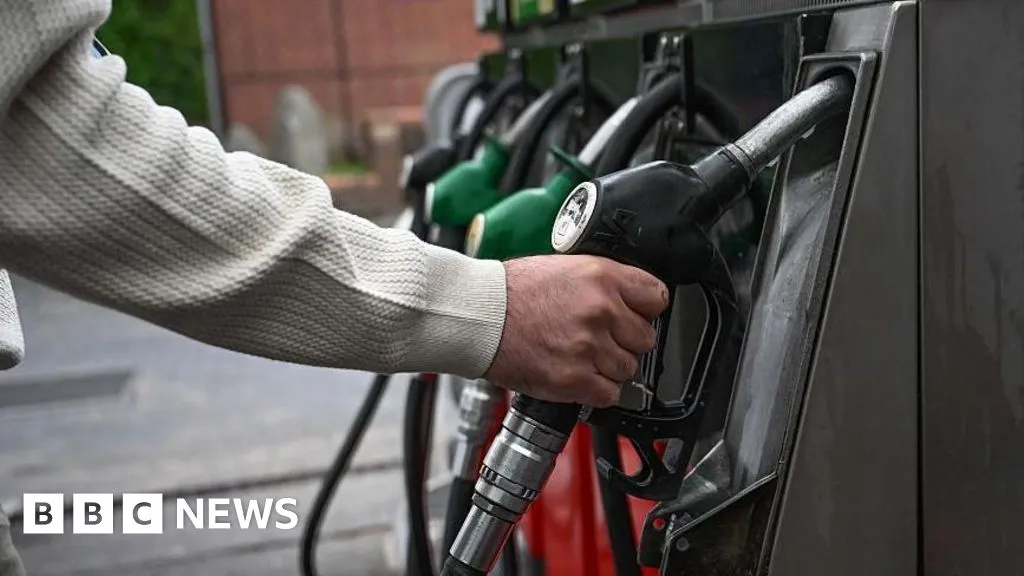
This morning, global oil benchmark Brent crude rose by 1.5%, reaching $101.60 per barrel, while U.S.-traded oil increased by 1.1% to $95.87. The uptick reflects heightened market anxieties surrounding potential military actions in the area, which sees approximately 20% of the world's oil and gas shipments transit daily.  Soly Moses on Pexels' alt='Oil shipment in Strait of Hormuz'/>
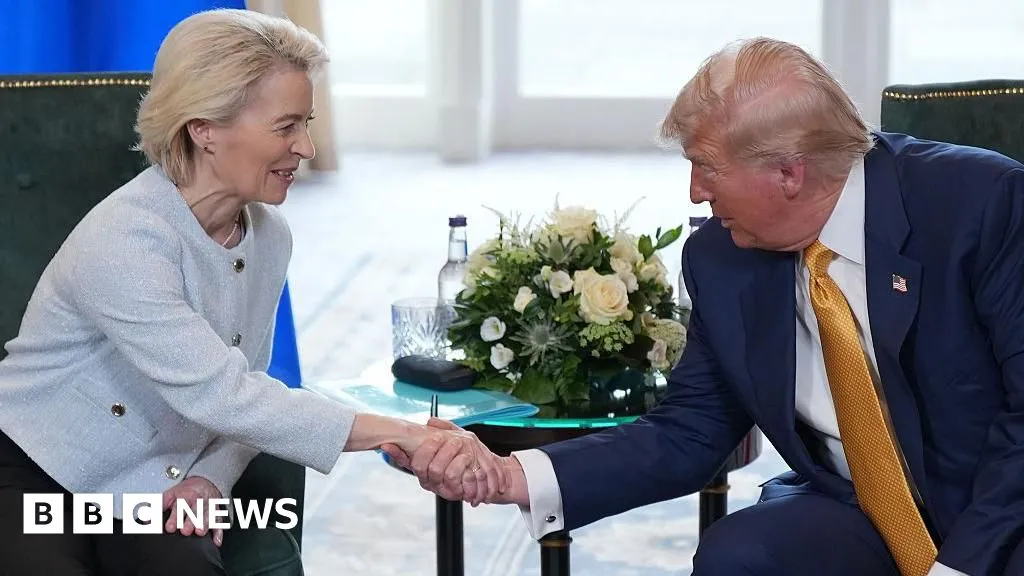
Despite the brewing tensions, U.S. President Donald Trump reassured the public that the ceasefire agreement with Tehran remains intact. "The ceasefire is still in place; we are engaged in negotiations with Iran to ensure they do not acquire nuclear weapons," he stated to a group of reporters. Trump emphasized that the talks are progressing, but warned, "If no deal is signed, they will face serious consequences."
Citing ongoing military engagements, Trump revealed that U.S. destroyers were involved in the skirmish and described the Iranian responses as easily countered. Iranian forces, however, have accused the U.S. of violating ceasefire terms by targeting their vessels, which included an oil tanker preparing to navigate the strait. The Islamic Republic of Iran Broadcasting reported that U.S. forces faced retaliation, inflicting what they called “significant damage” to American naval assets. The U.S. Central Command has since countered these claims, asserting that no U.S. ships were harmed.
Analysis from Jiajia Yang, an associate professor at James Cook University, indicates that the fragile nature of the ceasefire has escalated market concerns, stating, "The exchange of fire has rattled traders, causing oil prices to climb as fears grow over disrupted energy shipments." Similarly, Huifeng Chang from the National University of Singapore noted that the dynamics surrounding the ceasefire remain tenuous, despite official communications attempting to ease public concern.
As the situation unfolds, energy markets remain on edge, with the potential for increased volatility in response to ongoing geopolitical tensions. The conflict, which reignited on February 28 after coordinated U.S.-Israeli strikes on Iranian positions, has significantly impacted global energy prices.
In a lighter note amid escalating military rhetoric, Trump characterized the Iranian strikes as a "love tap," projecting a sense of control over the narrative as the U.S. administration continues to navigate a complex web of diplomatic talks.
With the future of U.S.-Iran relations hanging in the balance and the ramifications of military actions on global energy security a growing concern, market observers are closely monitoring developments in the Strait of Hormuz.
Source: BBC News
Source: BBC Business