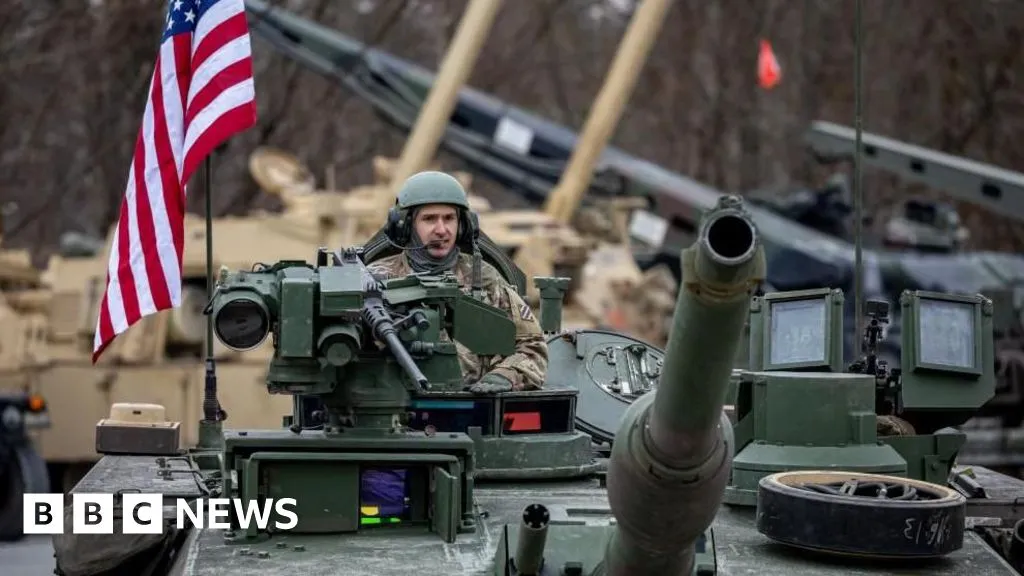
In a decisive move marking a resurgence of hostilities in the Strait of Hormuz, the United States military has conducted airstrikes against Iranian fast boats, a response to a series of attacks on oil facilities in the United Arab Emirates (UAE). This escalation comes as global shipping firm Maersk announced that one of its US-flagged vessels has navigated safely through the strait with the protection of US military forces.
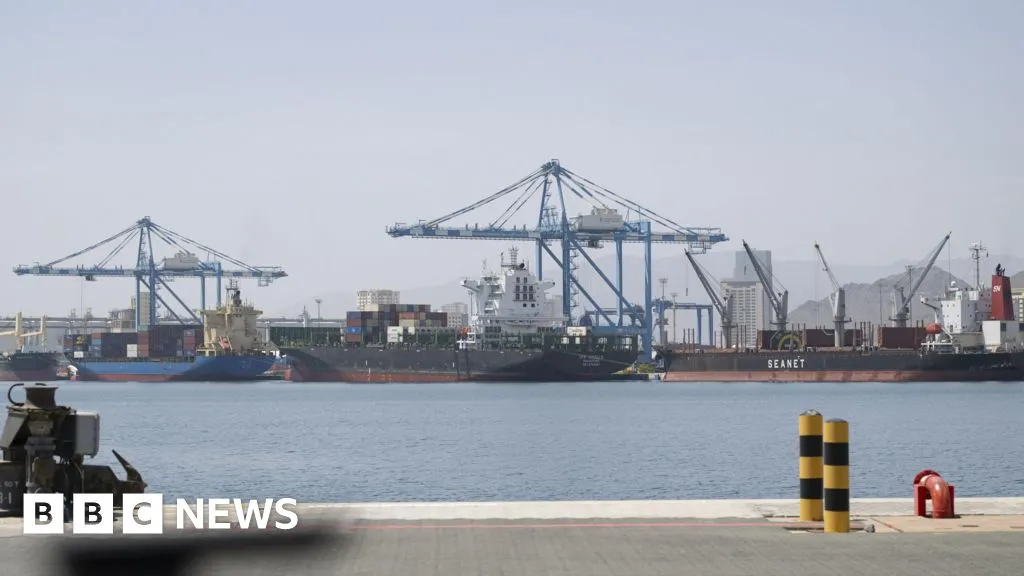
President Trump confirmed the strikes on seven Iranian vessels, alleging that these fast boats were integral to Iran's maritime provocations. The attacks unfolded amid reports of fires engulfing an oil port in Fujairah following Iranian assaults, vital to securing the region's energy supply. As part of what Trump termed 'Project Freedom,' US naval forces have ramped up efforts to assist stranded commercial shipping in the increasingly perilous Gulf waters, where 20% of the world’s oil typically transits.
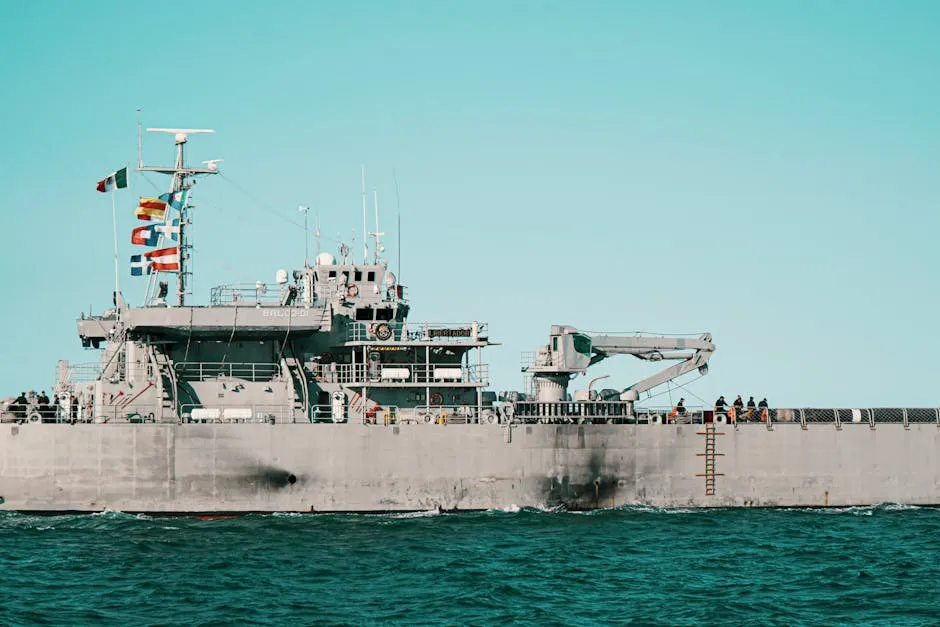
In further developments, two cargo ships, according to Iranian state media, were affected in the Gulf, with claims that civilian casualties may have resulted from US action. This assertion was met with immediate denial from the Pentagon, which has characterized the US response as proportionate and necessary to safeguard maritime freedoms.
Meanwhile, Iranian Foreign Minister Abbas Araghchi criticized the ongoing military operations, suggesting that they reflect a broader 'deadlock' in diplomatic negotiations, asserting, "There is no military solution to a political crisis. Project Freedom is Project Deadlock." However, the latest incident only heightens the complexities of an already unstable geopolitical landscape in the region.
On the ground, UAE authorities confirmed that a tanker belonging to the state-owned oil giant Adnoc suffered damages from the Iranian attacks, exacerbating fears of further escalations. French President Macron described the strikes against UAE infrastructure as "unjustified and unacceptable," echoing sentiments from various international leaders who condemned the violence.
As shipping routes remain under threat, the Brent crude oil prices soared past $115 a barrel, spurred by the rising tensions and potential disruptiveness to global oil supply. With limited alternative routes available, the ramifications of these assaults reach far beyond the immediate vicinity, affecting energy markets worldwide.
The situation remains volatile, and as the US military continues its operations under 'Project Freedom,' the need for a diplomatic solution becomes ever more pressing. The evolving scenario has drawn condemnation from neighboring countries, with Qatar calling for the unconditional reopening of the strait, while Oman reported injuries following a separate incident along its coastline linked to the ongoing conflict.
The unfolding crisis underscores the severe risks and implications facing marine operations in the region, amid a swirling mix of aggressive military posturing and fragile ceasefire attempts.
Source: BBC World News