In a surprising twist that merges theology with the digital age, recent analyses suggest that portions of Magnifica Humanitas, Pope Leo XIV's latest encyclical, may have been crafted with the assistance of artificial intelligence. This revelation arises from a detailed examination conducted by Linch Zhang on the LessWrong forum, utilizing the AI detection tool Pangram.
According to Zhang's findings, sections of the encyclical were flagged as being between 40% and a staggering 100% AI-generated. Notably, the analysis revealed a prevalence of terms typically associated with AI-generated content, including an unusual frequency of the word "genuinely," linked with AI models like Anthropic's Claude. In running Pangram against the encyclical's text, another reviewer discovered that 62% of the first chapter manifested AI characteristics, while a separate analysis of around 2,000 words yielded an estimated 46% attribution to AI authorship.
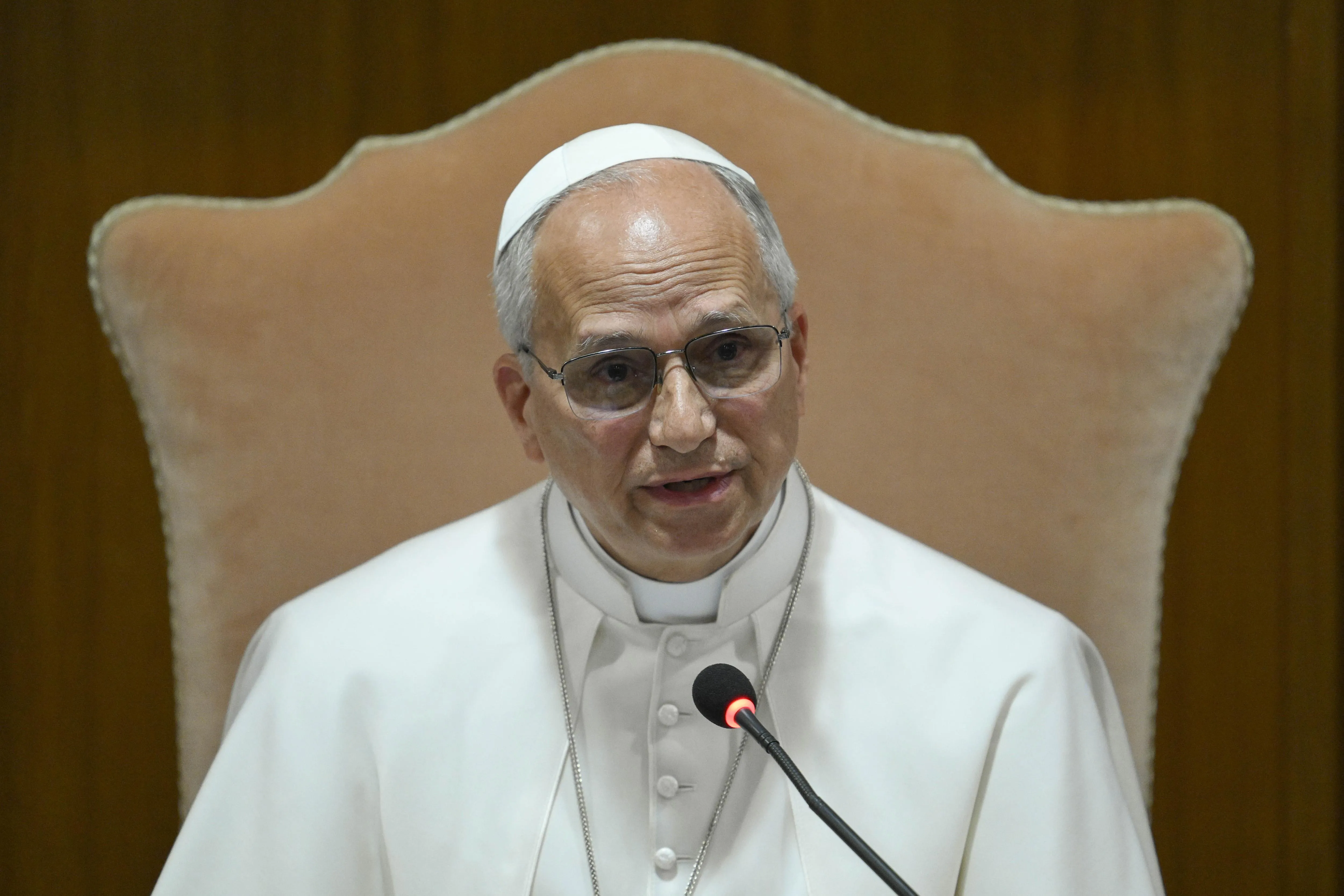
Despite these revelations, it's essential to recognize that not all sections of the encyclical displayed AI signatures. Zhang pointed out that Pangram identified certain passages as being "essentially 0% AI." For context, the first twenty paragraphs of Pope Leo's last four encyclicals were confirmed with 100% confidence as human-written. Indeed, a transcript of the Pope's speech also garnered a 100% rating for human authorship.
The reliability of AI detection remains a critical issue; discrepancies among different detection tools highlight the complexity of distinguishing human-created text from that generated by algorithms. Nevertheless, Pangram has gained traction in academic circles, with a false positive estimation for human-generated work labeled as AI at a mere 1 in 10,000.
Encyclicals serve as significant doctrinal letters from the Pope, addressing pressing moral concerns and social quandaries. Magnifica Humanitas marks Pope Leo XIV's inaugural encyclical and stands out as the first to concentrate specifically on the repercussions of artificial intelligence. Notably, the document was unveiled in the company of Christopher Olah, co-founder of the AI research firm Anthropic, further intertwining the realms of faith and modern technological discourse.
The Vatican has yet to respond to inquiries regarding the authenticity and authorship of the encyclical. As society grapples with the ethical implications of AI, this development raises profound questions about the intersection of technology and spirituality.
Source: The Verge
Source: The Verge