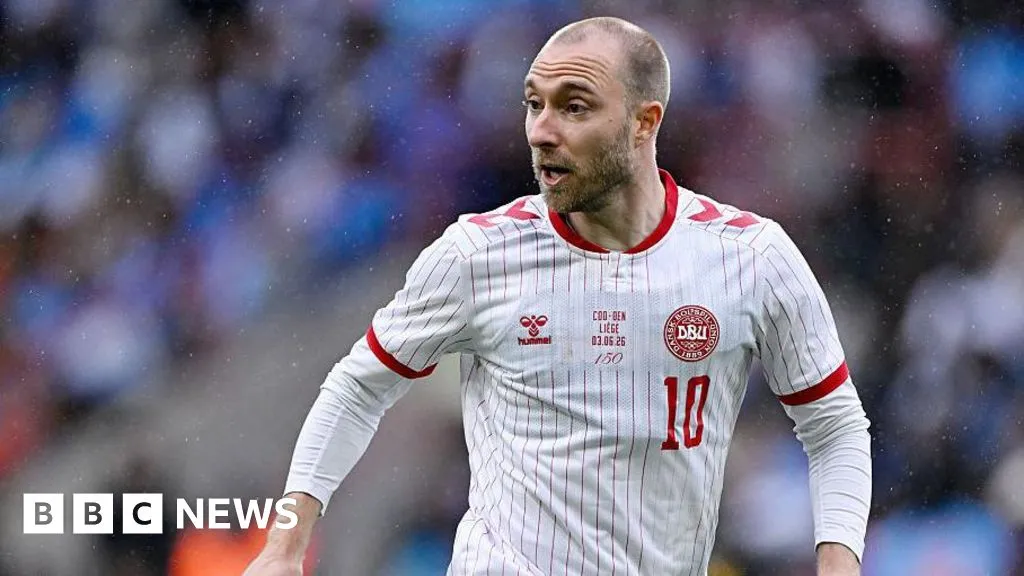
In a dramatic turn of events on the football pitch, Danish midfielder Christian Eriksen's implanted cardioverter defibrillator (ICD) sprang into action, ensuring his safety after he collapsed during an international match against Ukraine. This incident highlights the crucial role of advanced medical technology in safeguarding athletes' health.
Since suffering a cardiac arrest five years ago, Eriksen, now 34, has been living with an ICD—a small device meticulously designed to monitor and correct dangerous heart rhythms. Following his on-field collapse, Eriksen regained consciousness and managed to walk off, crediting the device with saving his life. "My ICD did exactly what it was designed to do: protect me when I needed it," Eriksen shared on social media.
Understanding the Implantable Cardioverter Defibrillator
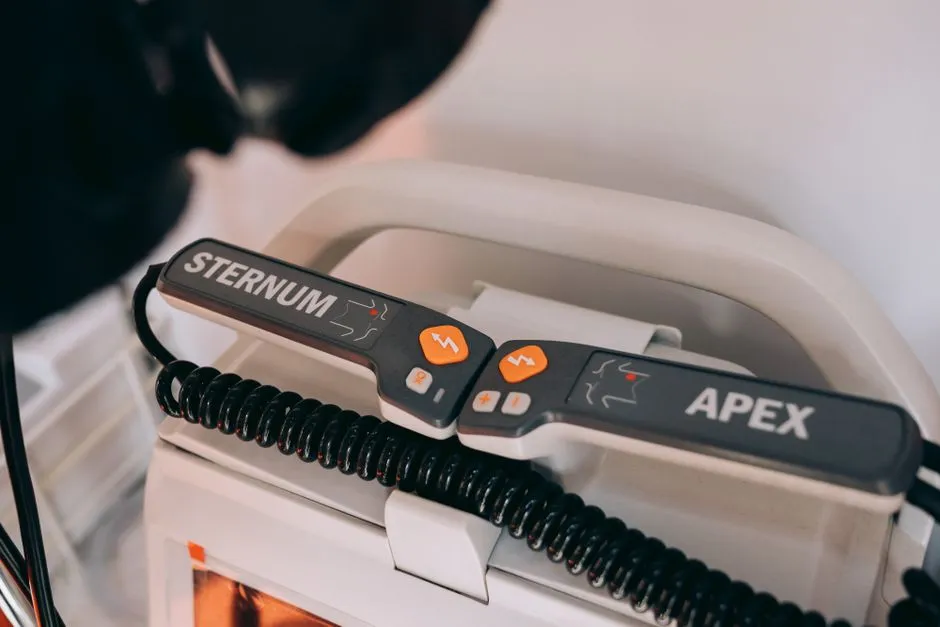
The ICD is a sophisticated medical apparatus that continually detects irregular heart rhythms and intervenes when necessary. There are two principal variants of the device: one is embedded just beneath the skin near the armpit, working like a miniature defibrillator that connects to the heart via wires; the other is directly linked to the heart and functions similarly to a pacemaker, administering regular electrical signals when needed.
In Eriksen's scenario, the ICD likely delivered a powerful shock after identifying an abnormal heart rhythm, resetting it to normal. Sports cardiologist Professor Aneil Malhotra likened this process to "switching a computer off and on again," emphasizing the efficacy of these implants in saving lives. The electrical impulse felt by the athlete can be compared to "being thumped in the chest," he noted.
[h3]A Previous Life-threatening Incident[/h3]
In a harrowing mimicry of the past, Eriksen's collapse echoed his near-fatal incident during the 2021 European Championships, where he was rescued on the pitch thanks to immediate medical attention. This time, however, the life-saving measures were embedded within his own body. "Because he had the ICD in place, he didn’t have to wait," said Professor Malhotra, underscoring the importance of the device in facilitating prompt recovery.
Renowned cardiologist Professor Michael Papadakis termed the device a "shock box," elaborating that it monitors heart rhythms and delivers life-saving shocks in emergencies, effectively jump-starting the heart.
Insights into Cardiac Arrests
A cardiac arrest, distinct from a heart attack, can occur due to various underlying issues, including malfunctioning electrical impulses or structural heart problems. Often seen in younger individuals, these conditions can be genetic or arise from complications like inflammation or reactions to medication. Though rare, unexplained cardiac arrests can also occur.
While cardiac issues among young athletes are exceptional, they are not unprecedented. Eriksen's situations draw parallels to past incidents involving footballers like Fabrice Muamba and Marc-Vivien Foé, showcasing the ongoing challenges in sports regarding athlete safety. Notably, many athletes, including former Manchester United midfielder Daley Blind, have successfully returned to the field post-diagnosis with the help of similar devices.
Statistics and Significance
According to the charity Cardiac Risk in the Young, sudden cardiac arrests claim approximately 12 lives weekly in the UK among those under 35. Dr. Steve Cox, the charity's CEO, remarked, "Eriksen's recent episode is a potent reminder of how cardiac conditions can impact young lives across the globe." He further explained that in about 80% of cases, the causes remain unidentified.
As Eriksen continues his recovery at home with family, his story serves as a beacon of hope and a testament to the life-saving capabilities of modern medicine in sports.
For more on this story, visit BBC News.
Source: BBC Health