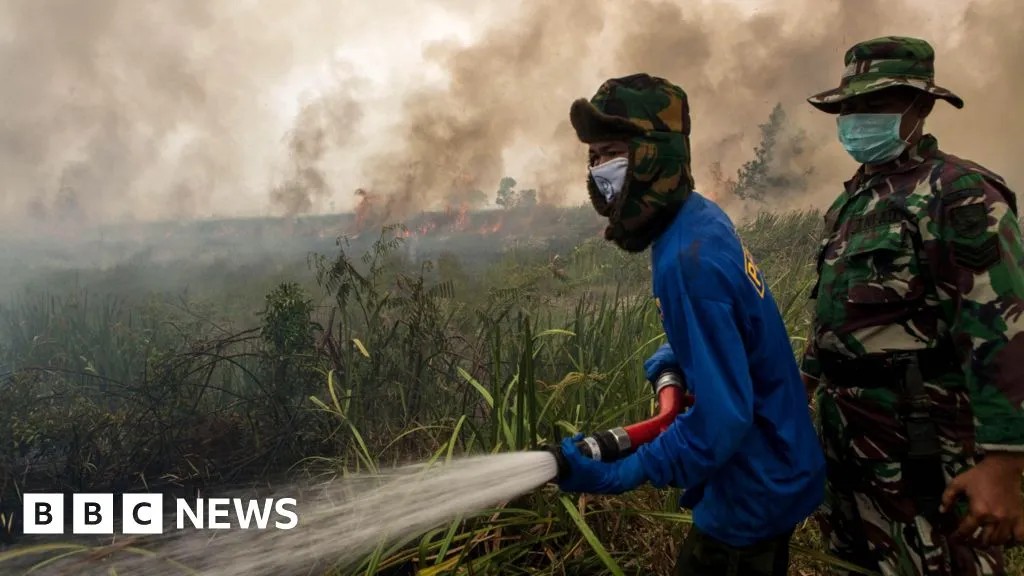
The onset of El Niño is poised to elevate global temperatures to unprecedented levels, potentially making 2027 the hottest year on record. The National Oceanic and Atmospheric Administration (NOAA) has confirmed that the El Niño phenomenon, which stirs up significant weather disruptions globally, is intensifying as we move further into 2026.
Understanding El Niño
El Niño is a complex climate pattern resulting from the warming of ocean surface waters in the central and eastern tropical Pacific. Typically, trade winds blow east-to-west, but during an El Niño event, these winds weaken or even reverse, allowing warmer water to shift across vast areas of the Pacific Ocean. This shift, already observable with sea surface temperatures exceeding 0.5°C above normal, suggests we may be in for one of the most potent El Niños recorded since the late 20th century.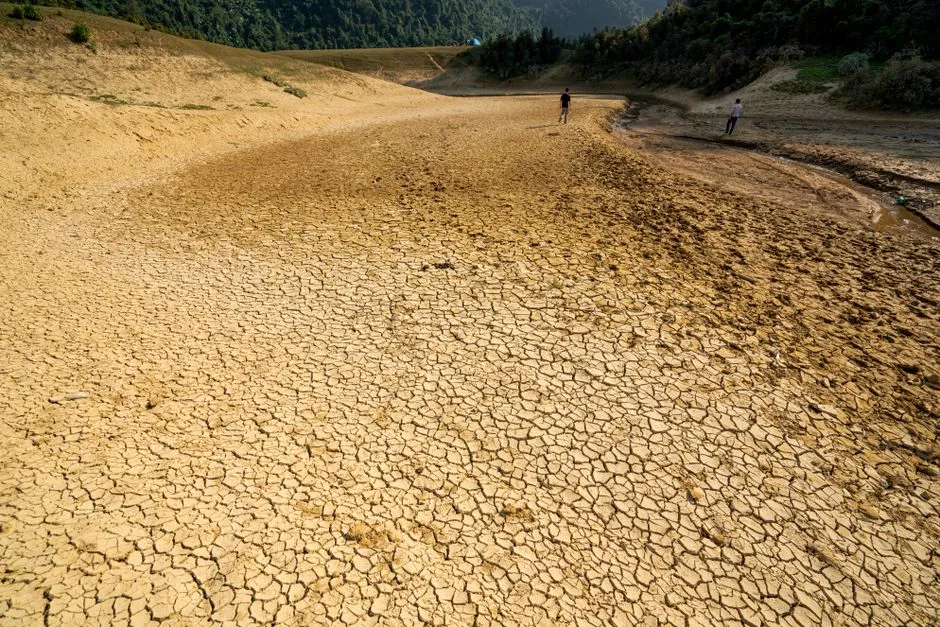
Potential Impacts of a Strong El Niño
According to NOAA forecasts, there is a 63% chance that this El Niño could escalate to a 'very strong' or 'super' status, where surface temperatures rise by at least 2°C. Such occurrences have been rare since 1950 but can greatly influence global weather patterns. NOAA scientists warn that the underlying waters are significantly warmer, presenting a heightened risk for extreme climatic events.
Worldwide Weather Disruptions
Global impacts are expected to be far-reaching. El Niño events frequently exacerbate droughts, increase rainfall, and heighten the risk of heatwaves. Celeste Saulo, secretary-general of the World Meteorological Organization, asserts that during this phase, oceans transfer heat to the atmosphere, intensifying existing climate change effects.
Regional Outcomes
Different regions will experience varying repercussions from this climatic event. In South America, especially in countries like Brazil and Argentina, the risk of drought and reduced agricultural yields looms large. Meanwhile, Southeast Asia and Australia may grapple with severe drought conditions and wildfires. The southern United States is likely to face torrential rains and flooding, while the global fishing industry, particularly in the Pacific, may suffer from dwindling catches as cold waters, vital for marine biodiversity, recede.
The Broader Context of Climate change
The situation is compounded by the fact that El Niño's impact is building upon decades of anthropogenic climate change. UN Secretary-General António Guterres has cautioned that El Niño is set to "pour fuel on the fire" of global warming, making the need for preparedness critical as its consequences ripple across nations, economies, and ecosystems.
A Call to Action
As the world braces for the eventual peak of this climatic phenomenon, experts emphasize the necessity for comprehensive strategies to mitigate the impending effects. Increased prices for food and reduced availability of fisheries not only threaten local communities but promise significant global economic ripples, especially in already vulnerable regions.
The looming El Niño serves as a daunting reminder of our evolving climate and the urgent steps we must take to adapt to a warmer world. Scientists and policymakers alike are urged to remain vigilant as they track developments in the Pacific and beyond.
Source: BBC Science