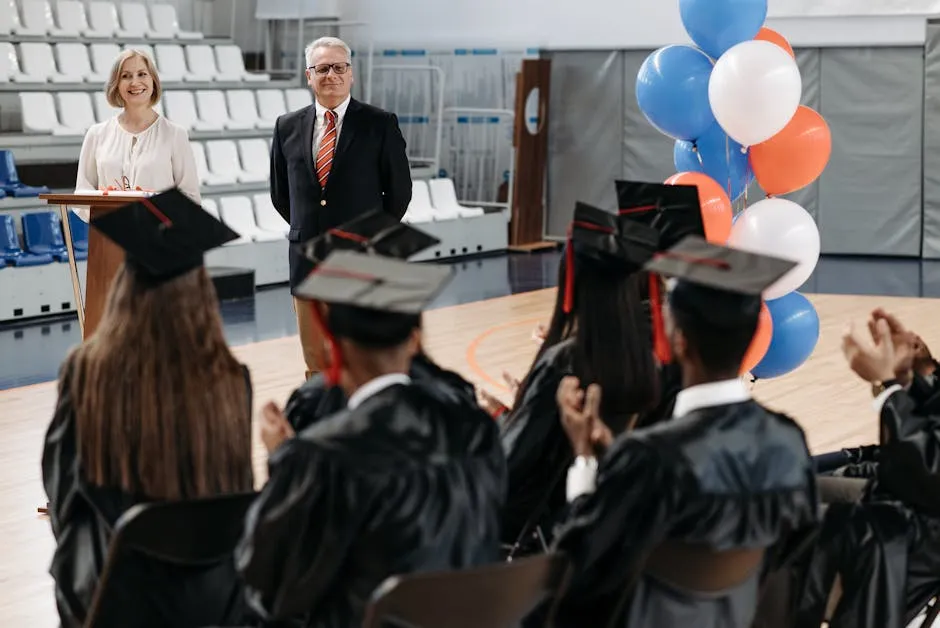
In a striking display of dissent, students at the University of Arizona punctuated their commencement ceremony with resounding boos directed at former Google CEO Eric Schmidt as he celebrated the potential of artificial intelligence. The raucous response on Friday served as a heat check for Silicon Valley's approach to a technology that has increasingly come under fire for its perceived threat to the job market and societal well-being.
As Schmidt began to extol the virtues of AI during his speech, the crowd's reactions quickly escalated into vocal disapproval, reflecting a broader unease among graduates poised to enter an uncertain job landscape. This coming class of 2026, aware of the economic turbulence influenced by rapid technological advancements, voiced their frustrations during a moment typically reserved for celebratory reflection.
Schmidt acknowledged the students' anxieties, recognizing their fears as “rational.” In a candid moment, he admitted that concerns about job displacement and environmental crises were well-founded. However, his plea for understanding fell on deaf ears amid the waves of dissent. “When someone offers you a seat on the rocket ship, you do not ask which seat, you just get on,” he urged, a sentiment that many felt lacked empathy given their circumstances.
The abrupt response from the crowd underscores a culture shift regarding technology and its implications for the future. Public sentiment has trended towards skepticism about AI, despite its growing integration into everyday life. As companies like Schmidt's continue to advocate for AI's benefits, it appears the tech industry must recalibrate its approach to address the very real concerns of the populace it serves.
Ultimately, this commencement address serves as a microcosm of a larger dialogue about the role of technology in society. As graduates navigate their future paths, their voices echo a critical reminder: Silicon Valley must reckon with the anxieties it has instilled rather than merely celebrate its innovations.
Source: The Verge
Source: The Verge