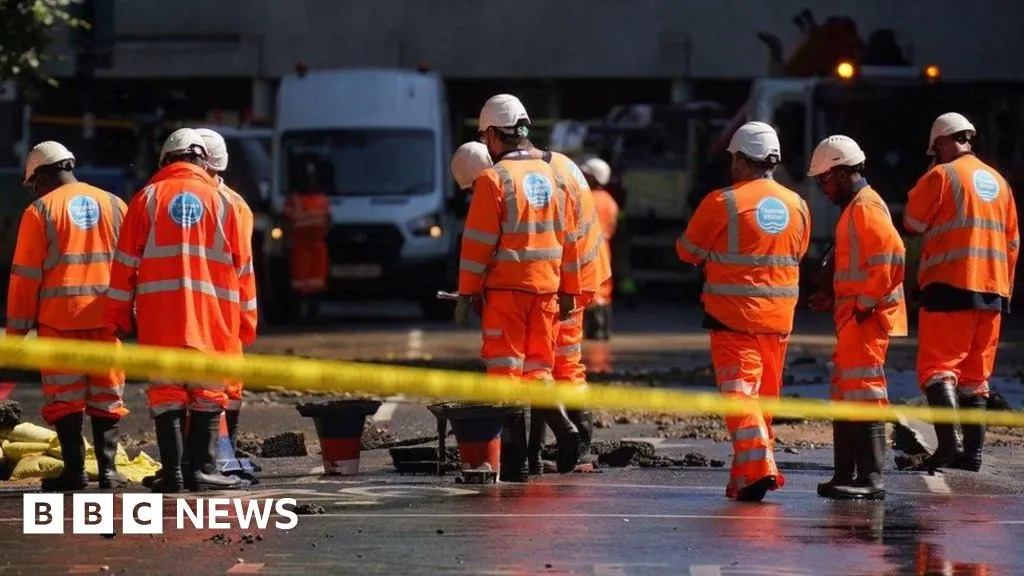
Thames Water, the UK's largest water utility, is teetering on the brink of nationalisation after Environment Secretary Emma Reynolds expressed strong objections to a £10 billion rescue package proposed by the company’s creditors. This pushback signals a significant shift in the government’s approach to one of the country’s most crucial infrastructure operators.
In her communication with industry regulator Ofwat, Reynolds articulated her concerns that the proposed deal inadequately addresses the needs of consumers and the environmental obligations of the company. Since fears of collapse first emerged three years ago, the government has stood at the ready for intervention, with public sentiment increasingly focused on Thames Water's historical shortcomings, including sewage spills and infrastructure failures.
Escalating Concerns
Amid the ongoing scrutiny, Thames Water serves approximately 16 million customers, primarily in London and parts of southern England. The firm has endured heightened criticism following a record £122.7 million fine last May—the largest imposed by Ofwat—stemming from violations related to sewage management and profit distribution.
In a tantalising twist, a coalition of existing lenders has proposed to alleviate £9.4 billion of Thames Water's nearly £20 billion debt while injecting billions more to ensure stability. However, the deal demands leniency on future fines for pollution, raising alarm among regulatory bodies and environmental advocates alike.
“We believe a market-led solution is essential for our ongoing recovery,” stated a spokesperson for Thames Water. “
Government's Contingency Plans
Reynolds confirmed on Tuesday that the government is equipped to explore all options, including a special administration regime (SAR), intended to keep essential services operational under government oversight. This potential course of action has ignited a debate about its effectiveness, with critics warning that nationalisation could lead to operational disruptions and increased financial burdens on taxpayers.
“I am determined to prevent Thames Water customers from having to bear the financial fallout from corporate failures,” Reynolds noted, stressing the government's watching brief prior to a parliamentary address. Without a viable rescue plan, industry observers warn the company could face insolvency within months.
Future Implications
The ongoing discussions underscore the broader implications for water utilities in the UK, as public trust wanes amid concerns over environmental stewardship. Thames Water's lenders have cautioned that government intervention, while seemingly a lifeline, may only reset the cycle of challenges facing the company, complicating the path to recovery.
As the situation develops, stakeholders and customers alike remain on high alert, anticipating both the regulatory decisions ahead and their potential impact on the essential services that millions depend on daily.
Source: BBC Business