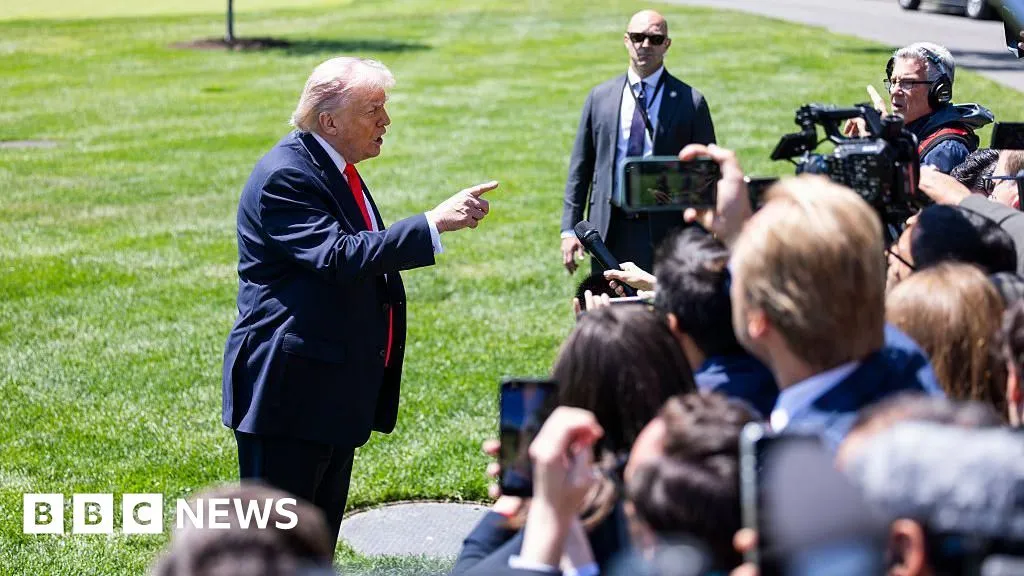
In a significant diplomatic development, former U.S. President Donald Trump has successfully negotiated a three-day ceasefire between Russia and Ukraine. This announcement comes against the backdrop of escalating hostilities, with both nations accusing one another of violating prior ceasefires intended to coincide with the 78th anniversary of the Soviet Union's victory over Nazi Germany.
Trump articulated that this ceasefire not only encompasses a halt to all military operations but also includes a substantial prisoner exchange, with each country set to transfer 1,000 incarcerated individuals. Shortly after the announcement, Ukrainian President Volodymyr Zelensky confirmed his country's commitment to the ceasefire, and Russian state media reported that Moscow had also accepted the proposal.
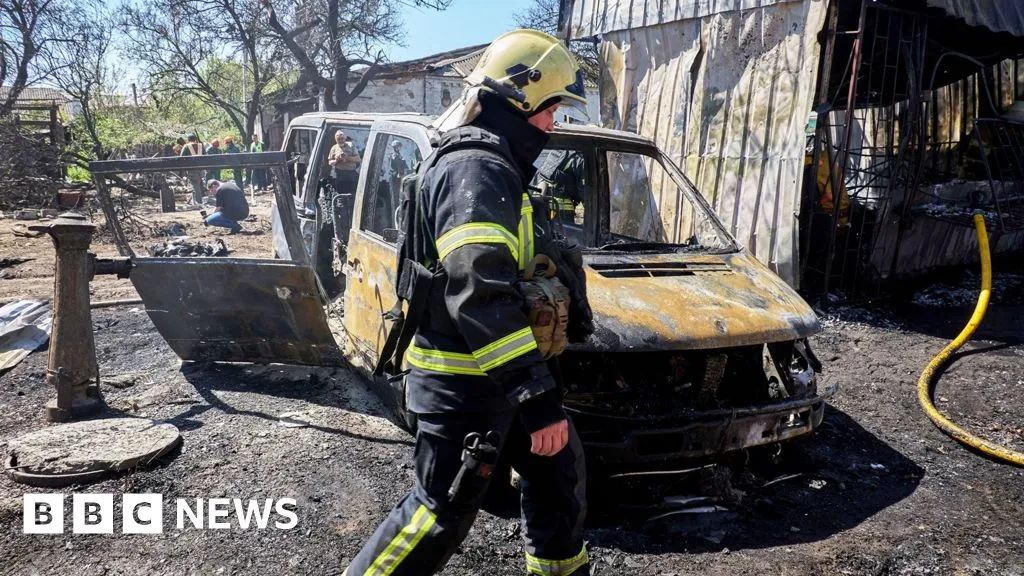
Despite the call for peace, hostilities flared just prior to the ceasefire's onset. Reports indicated ongoing attacks from both sides, with Moscow’s mayor revealing that drone strikes had targeted the Russian capital during the night. Trump expressed gratitude for Presidents Putin and Zelensky's swift agreement, emphasizing the necessity for peace during such a momentous occasion.
In an alarming exchange leading up to the ceasefire, both nations reiterated claims of military violations. The Russian Defense Ministry asserted that Ukraine had intensified offensive actions against civilian targets in border regions, prompting retaliatory responses. In a tense warning, the Kremlin advised Kyiv against any attempts to disrupt the upcoming Victory Day parade scheduled for May 9, threatening massive missile strikes on the Ukrainian capital should provocations continue.
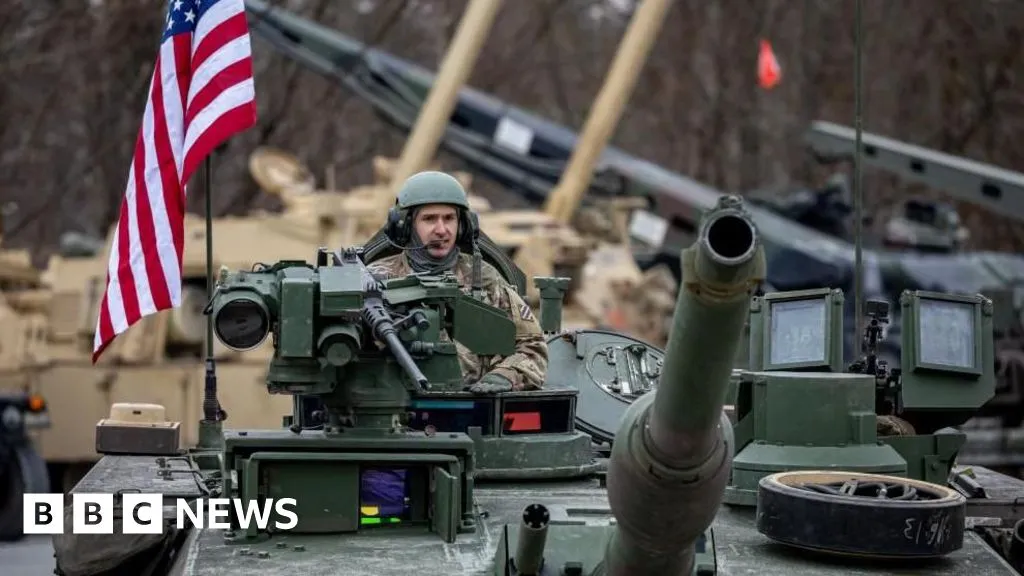
The parade itself will be notably subdued, with no military hardware on display for the first time in nearly two decades, a decision likely influenced by heightened security concerns over potential Ukrainian interference. The public in Moscow and St. Petersburg have been informed that internet access will be restricted during the celebration in a precautionary move aimed at preventing disruptions.
As tensions simmered, Ukraine reported upwards of 140 attacks on its positions within hours of the ceasefire's initiation, with over 850 drone strikes recorded during the same period. President Zelensky declared that his nation would respond in kind, underscoring the fragile nature of the negotiated peace.
The backdrop to this ceasefire has seen high-level discussions among European leaders, spearheaded by European Council President António Costa, who hinted at potential future negotiations with Russia. However, Kremlin spokesman Dmitry Peskov made clear that while Russia is open to dialogue, they will not initiate contact.
Amid this complex web of diplomacy, Secretary of State Marco Rubio reaffirmed the U.S. commitment to facilitating discussions between the warring nations, albeit with caution about the effectiveness of ongoing efforts. As the situation unfolds, Ukraine anticipates further visits from U.S. envoys to bolster its diplomatic standing.
Separately, Ukraine continues to grapple with a massive wildfire in the Chornobyl exclusion zone, amidst ongoing emergency response efforts.
In a landscape marked by unrelenting conflict, the coming days will be pivotal in determining whether this ceasefire can hold or if the cycle of violence will resume.
Source: BBC News
Source: BBC World News