In a surprising twist for the UK economy, inflation has remained steady at 2.8% for the year leading to May, as easing food prices counterbalance rising transport costs. This development, as reported by the Office for National Statistics (ONS), comes amid widespread expectations that inflation would traverse the 3% mark due to geopolitical tensions, particularly the ongoing conflict in the Middle East.
Transport Costs Surge, Food Prices Lag Behind
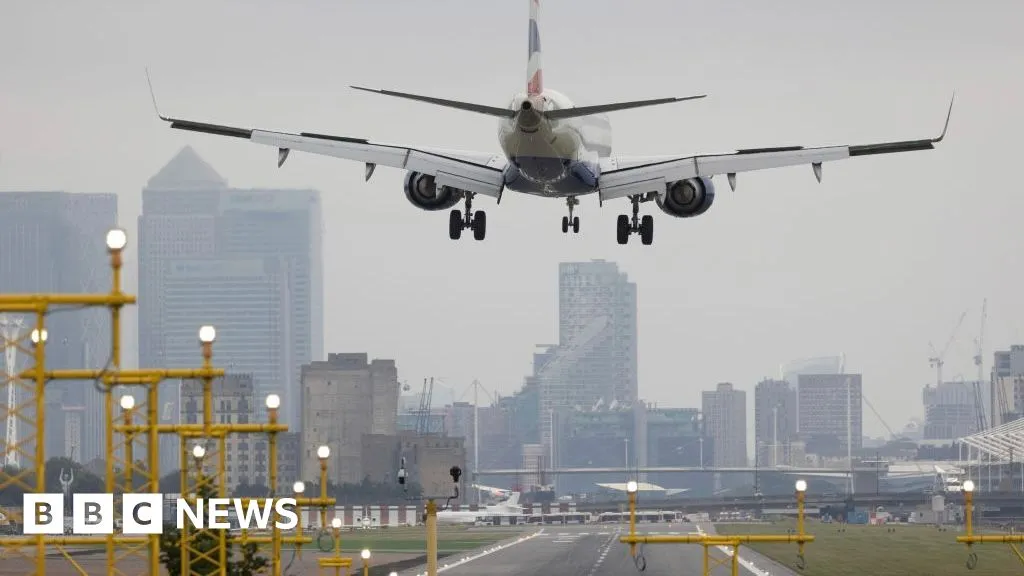
While the cost of transport surged by 6.8%, marking the highest annual increase since December 2022, lower inflation rates across essential food items like meat, dairy, and vegetables provided a cushion for consumers. The ONS highlighted that petrol prices were 24.6% higher compared to last year, significantly contributing to the transport inflation spike.
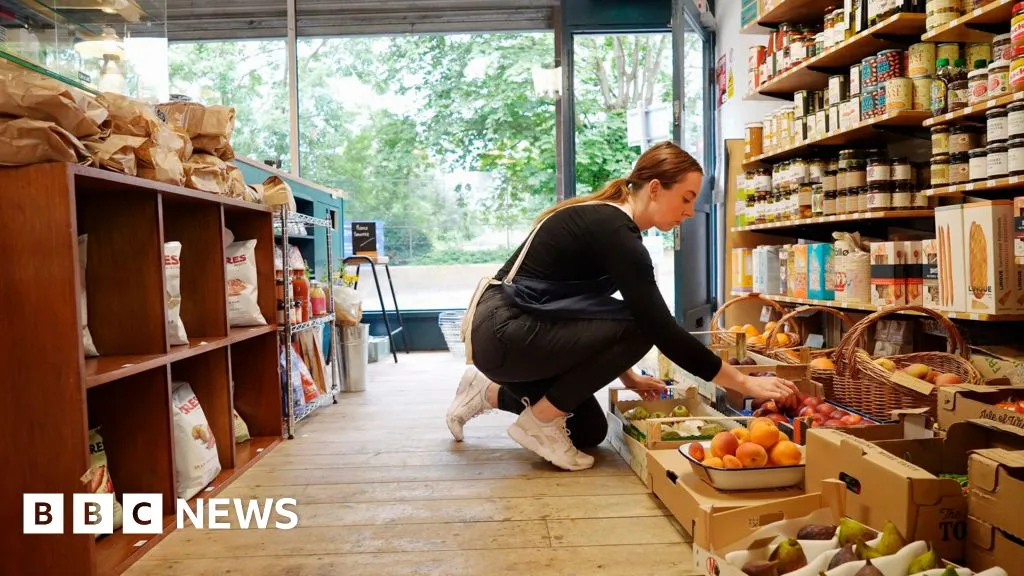
Despite ongoing concerns about rising fuel and transport costs, the landscape for food prices is shifting. Food inflation has dropped from 3% in April to just 2.2% in May—the lowest recorded rate since December 2024. With the price of beef and veal rising by a notable 9.4%, the pace of increase signifies a deceleration from previous months, suggesting a shift in market dynamics.
Market Responses and Expert Insights
Reacting to these figures, the British Retail Consortium (BRC) acknowledged that the easing of food inflation is a testament to the competitive nature of the UK supermarket sector. Nonetheless, the Food and Drink Federation warns that prices are yet to reflect the inflationary pressures stemming from disruptions in the global supply chain, particularly those resulting from the conflict that has affected the Strait of Hormuz.
Karen Betts, the federation's chief executive, emphasized the time lag that often accompanies price adjustments due to long-term contracts in agriculture and energy sectors. Meanwhile, analysts like Charlotte O'Leary from the National Institute of Economic and Social Research are anticipating a potential spike in inflation when Ofgem revisits its energy price cap this July.
Political and Economic Implications
Chancellor Rachel Reeves reaffirmed the government's commitment to shield families and businesses from escalating costs through measures like energy bill cuts and maintained fuel duty rates. However, opposition figures like Shadow Chancellor Mel Stride expressed concern about persistently high prices influencing families and the economy at large.
As the Bank of England approaches its next interest rate decision, many economists predict a hold at the current rate of 3.75%. These inflation statistics could fortify that decision, with Suren Thiru from the Institute of Chartered Accountants in England and Wales remarking that while food inflation has eased, the UK is likely to endure effects from the Iranian conflict, delaying any substantive relief until late 2026.
A Cautious Outlook
As key stakeholders analyze the implications of these inflation trends, KPMG UK chief economist Yael Selfin noted that the latest data seemingly strengthens the case for not raising interest rates in the immediate term.
With inflationary pressures remaining under the surface, the path ahead involves careful navigation for both policymakers and consumers as they adjust to a potentially prolonged period of economic fluctuations triggered by geopolitical uncertainties.
Source: BBC News
Source: BBC Business