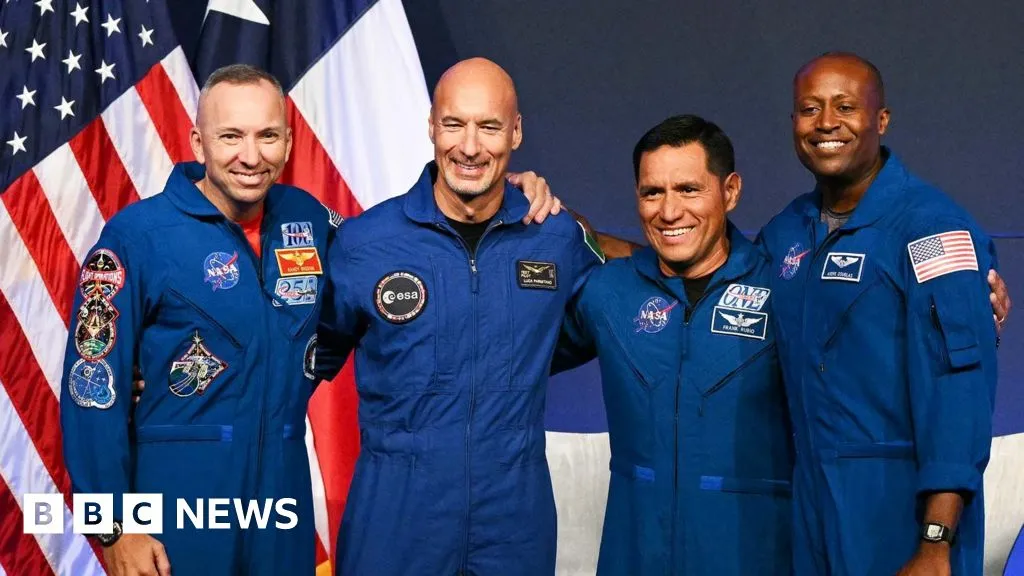
NASA has officially unveiled the crew for its highly anticipated Artemis III mission, focusing on technological integration rather than a lunar landing. Originally intended to mark the first crewed expedition to the Moon since Apollo 17 in 1972, the mission will now exclusively operate in low Earth orbit, significantly limiting its reach and impact.
The Artemis III mission was designed to send two astronauts to the lunar south pole for a week-long stay on the Moon’s surface. However, recent strategic adjustments now see the mission as a preparatory venture, set to execute a series of docking tests with prototype lunar landers in proximity to Earth. This shift came in February, when NASA reassessed the mission scope, attributing the alteration to developmental delays in SpaceX’s Starship rocket, which is essential for lunar transport.
“This mission will require the most awe-inspiring coordination of heavy-lift rocket launches in history,” said NASA Administrator Jared Isaacman, emphasizing the intricate nature of the upcoming activities that will draw on resources from across the government and space exploration sectors. “It will still push the boundaries of what is possible,” he added.
Leading the mission will be NASA veteran Randy Bresnik, taking the role of mission commander. He will be joined by Luca Parmitano from the Italian Space Agency, who will serve as pilot, and American astronauts Andre Douglas and Frank Rubio as mission specialists. Bob Heintz, an experienced test pilot with extensive spaceflight experience, will stand ready as a backup crew member.
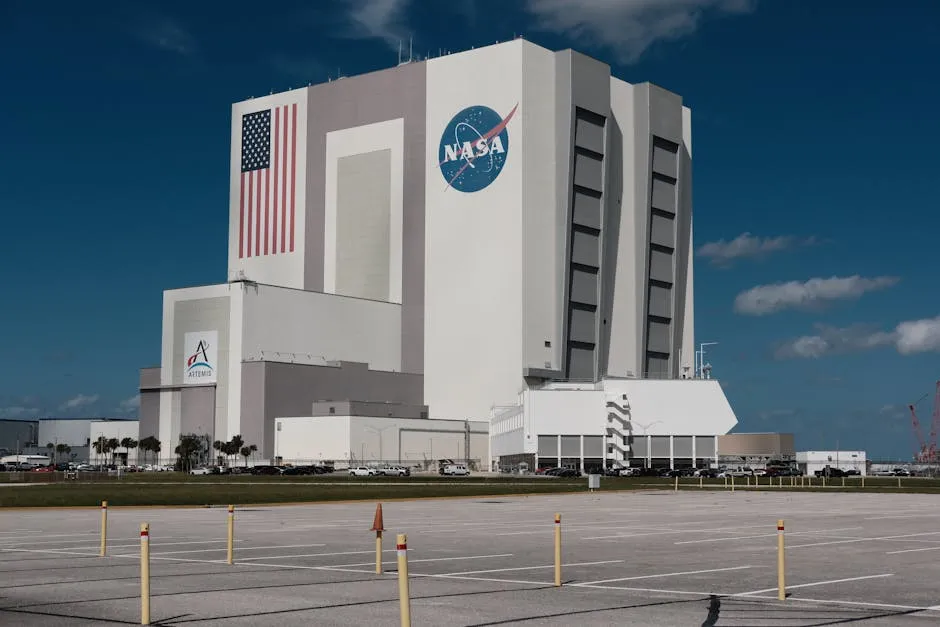
The pivot away from a historic lunar landing stems primarily from the challenges surrounding SpaceX’s Starship rocket. A recent Government Accountability Office report highlighted “limited progress” by SpaceX in refining the essential technologies for in-orbit refueling—a procedure vital for transitioning from lunar orbit to the Moon's surface. As noted, the complexity of launching a fleet of tanker vehicles to facilitate this operation affects overall timelines considerably.
Further complicating matters, Blue Origin experienced a setback when its New Glenn rocket exploded during a routine engine test in late May, resulting in significant damage to its launch pad. Such incidents jeopardize the schedule for the Blue Moon cargo lander, initially slated for a potential launch this autumn, as well as future crewed missions under the Artemis program. While Blue Origin officials are optimistic about repairs, independent experts regard the timelines as overly ambitious, particularly given historical precedents in the rocket industry.
The geopolitical landscape also adds urgency to the situation. With China's lunar ambitions targeting a crewed landing by 2030, there is significant competitive pressure on NASA. A directive from the U.S. government aims to see astronauts returned to the Moon by 2028, when a new presidential term is anticipated.
“It would not surprise me at all if China gets there first,” warned Dr. Simeon Barber, a lunar scientist, underscoring the narrow margin for error that NASA faces amidst technological uncertainties.
As NASA moves toward demonstrating capabilities with Artemis III in 2027, the agency's future lunar endeavors will rely heavily on the successful execution of a sequence of unprecedented maneuvers, all of which must align perfectly to achieve the first lunar landing post-Apollo. As history unfolds, the world watches to see if NASA can once again place humans on the Moon.
Source: BBC Science