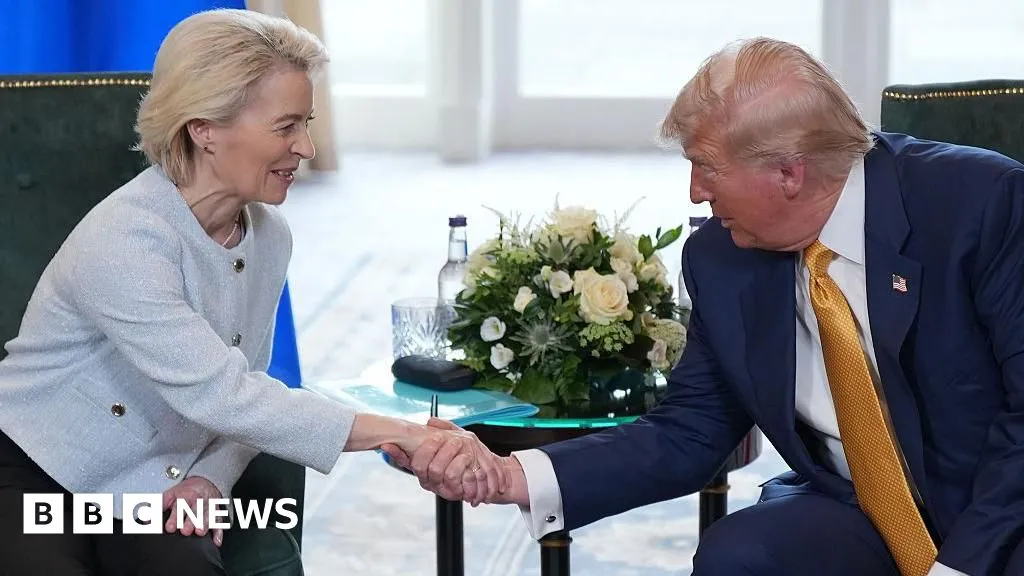
In a dramatic turn of events, oil prices have nosedived while stock markets across Asia and Europe soared following the announcement of a landmark agreement between the United States and Iran. The joint framework deal promises a reopening of the strategically crucial Strait of Hormuz, as confirmed by US President Donald Trump.
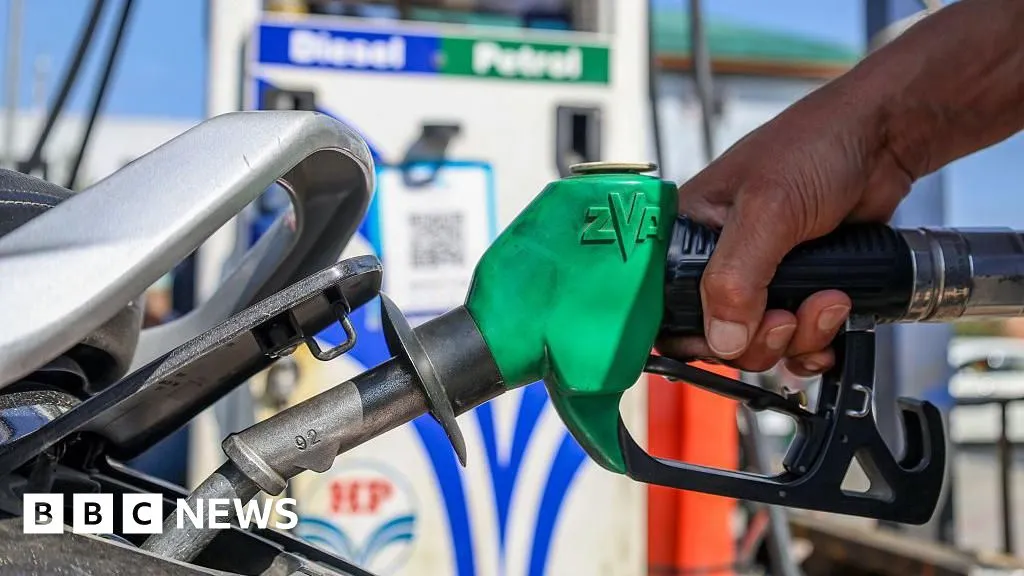
Brent crude, the global oil benchmark, saw a substantial decrease of 4.7%, settling at $83.24 per barrel. As news of the agreement spread, investors reacted positively, pushing Asian stock markets to marked gains—Japan's Nikkei 225 index surged 5%, while South Korea's Kospi rose 5.2%. European indices likewise experienced a boost, with Germany's DAX and France's CAC 40 up approximately 1.7%, and London's FTSE 100 climbing 0.6%.
Pakistan, a key mediator in the ongoing conflict, announced that a formal signing ceremony for the agreement is scheduled for June 19 in Switzerland. Iran's Deputy Foreign Minister Kazem Gharibabadi confirmed on state television that a deal had been finalized, while Trump exuberantly declared on social media, "Let the oil flow!" However, market experts warn that the excitement may be tempered by lingering uncertainties regarding the specifics of the agreement.
Vandana Hari, an analyst at Vanda Insights, cautioned that the ambiguity surrounding the terms of the deal could introduce further volatility. "The lack of detail is likely to inject unease and uncertainty into the market," she stated. Although many investors are hopeful, the future of oil prices might remain unstable in the weeks to come.
The Strait of Hormuz, a vital maritime passageway through which approximately 20% of the world's oil and liquefied natural gas typically flows, has been largely inaccessible since escalating tensions followed US and Israeli airstrikes on Iran in late February. Amidst the conflict, Iranian threats to target vessels traversing this crucial route heightened global energy concerns.
As shifting geopolitical dynamics continue to impact energy markets, oil prices have undergone significant fluctuations. Before the onset of hostilities, Brent crude was priced at about $70 per barrel, but it spiked to around $120 amid conflict. There are indications that even with the reopening of the Strait, oil flow may not immediately rebound to pre-war levels, according to industry experts.
Andrew Lipow of Lipow Oil Associates highlighted the logistical challenges ahead. "Mines will need to be cleared from the waterway, which could take anywhere from a few weeks to six months," he noted. Moreover, a backlog of tankers eager to access the Strait may prolong the return to operational normalcy.
Retired US Navy Rear Admiral Mark Montgomery remarked on the complexities involved in stabilizing shipping activities. "Getting back to normal will not be an overnight endeavor; a full reestablishment could take about a month to 45 days before we achieve a balance in pumping operations and vessel movement," he elaborated.
The ramifications of the Iran conflict continue to reverberate through global economies, underscoring the world’s reliance on Gulf oil and gas.
Source: BBC Business