In a troubling turn of events, recent investigations have unveiled that Immigration and Customs Enforcement (ICE) is intensifying its arrest operations in New York City, disproportionately focusing on Latino neighborhoods under the guise of targeted enforcement. This alarming trend raises significant questions about the legitimacy and ethics of such tactics amid ongoing political discourse on immigration.
According to an investigative report by The City, a local nonprofit news organization, 430 street arrests were documented in the metropolitan area between October 2025 and mid-March 2026. Astonishingly, 93% of those arrests involved Latinos, who constitute just 66% of the local undocumented population. This disparity suggests a systemic bias in the enforcement practices utilized by federal agents.
Notably, many of those detained appear to have been arrested not as direct targets but rather because of racial characteristics. Court records indicate that ICE agents often detained individuals who merely resembled their intended targets, with little regard for actual evidence or legal standing. This practice not only highlights a reliance on racial profiling but also raises concerns regarding the agents' training and adherence to due process.
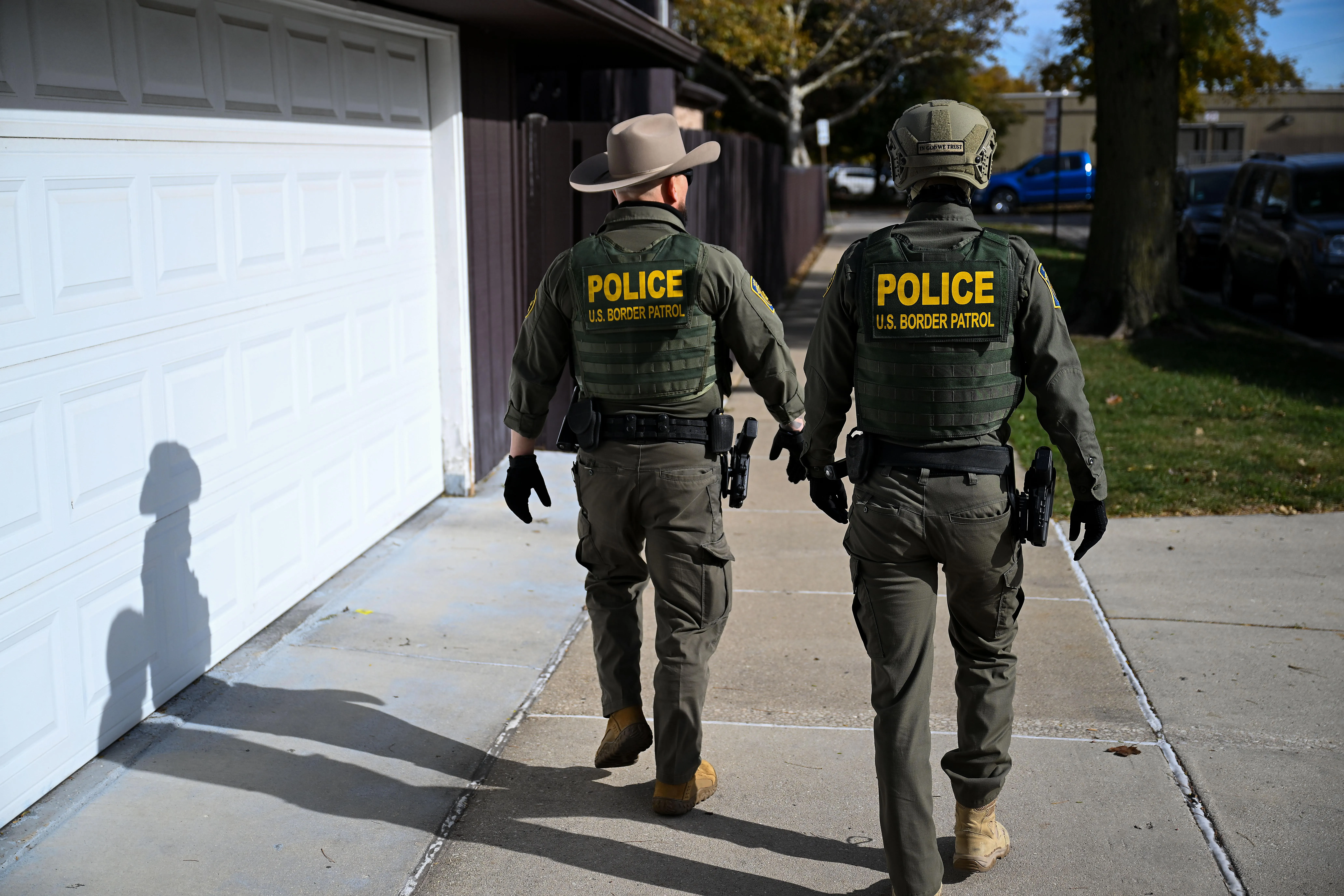
Border security czar Tom Homan has previously threatened to "flood" New York City with ICE agents, a statement that reflects a growing trend in aggressive immigration enforcement strategies nationwide. Following criticism of operations like Metro Surge in Minnesota, where a federal judge found that ICE agents engaged in racially biased warrantless arrests, Homan claimed that the agency was shifting to a more “smarter enforcement” model. However, The City's findings suggest that ICE's approach remains unfocused and driven by racial assumptions.
As ICE ramped up its enforcement in cities without previous high-profile raids, agents have been empowered to pursue and detain individuals based mainly on their appearance. For example, on one occasion, agents encircled the same Staten Island block multiple times in search of a specific target, mistakenly detaining several individuals who bore no actual resemblance to their focus.
The implications of such practices are profound. Nationwide, over 400,000 arrests were recorded within the first 14 months of Donald Trump's second term, with an increasing number of detentions involving individuals without any prior criminal history or deportation orders. This raises critical human rights questions as people are being targeted not for their legal status but for their racial or ethnic backgrounds, as findings from the Cato Institute indicate.
Legal recourse for those subjected to ICE's practices appears limited. Following a Supreme Court ruling that effectively authorized racial profiling as a means of immigration enforcement, many detainees have found their lawsuits challenging these discriminatory practices to be stymied. As ICE continues to partner with local police departments, the trend of utilizing 287(g) agreements—a program that facilitates local police in immigration enforcement—further complicates the landscape of law enforcement in America.
While some roots of these controversial enforcement practices trace back to earlier presidential administrations, the current approach amplifies concerns about the intersection of race and law enforcement under the Trump administration. As debates on ethics and fairness in immigration policies continue, the ramifications of these actions are being felt acutely in the communities directly affected.
As tensions rise and more stories surface about ICE's methods, it remains imperative to scrutinize the implications of race-based immigration enforcement and its impact on the fabric of American society.
Source: The Verge