The dream of an effortlessly connected home is increasingly overshadowed by rising costs and a pragmatic realization that artificial intelligence, while promising, has yet to deliver transformative value for consumers. Despite significant investments, major players in the smart home industry, including Amazon and Google, struggle to turn a profit, prompting a shift towards subscription-based models that may leave many homeowners questioning the true worth of their devices.
At Google's recent I/O event, the tech giant announced an expansion of its Gemini for Home framework, which aims to integrate AI functionalities into third-party applications and devices. This strategic move could pave the way for service providers and hardware manufacturers to offer subscription services that capitalize on AI-driven features, such as intuitive notifications that go beyond simple alerts.
AI’s Role in Smart Home Evolution
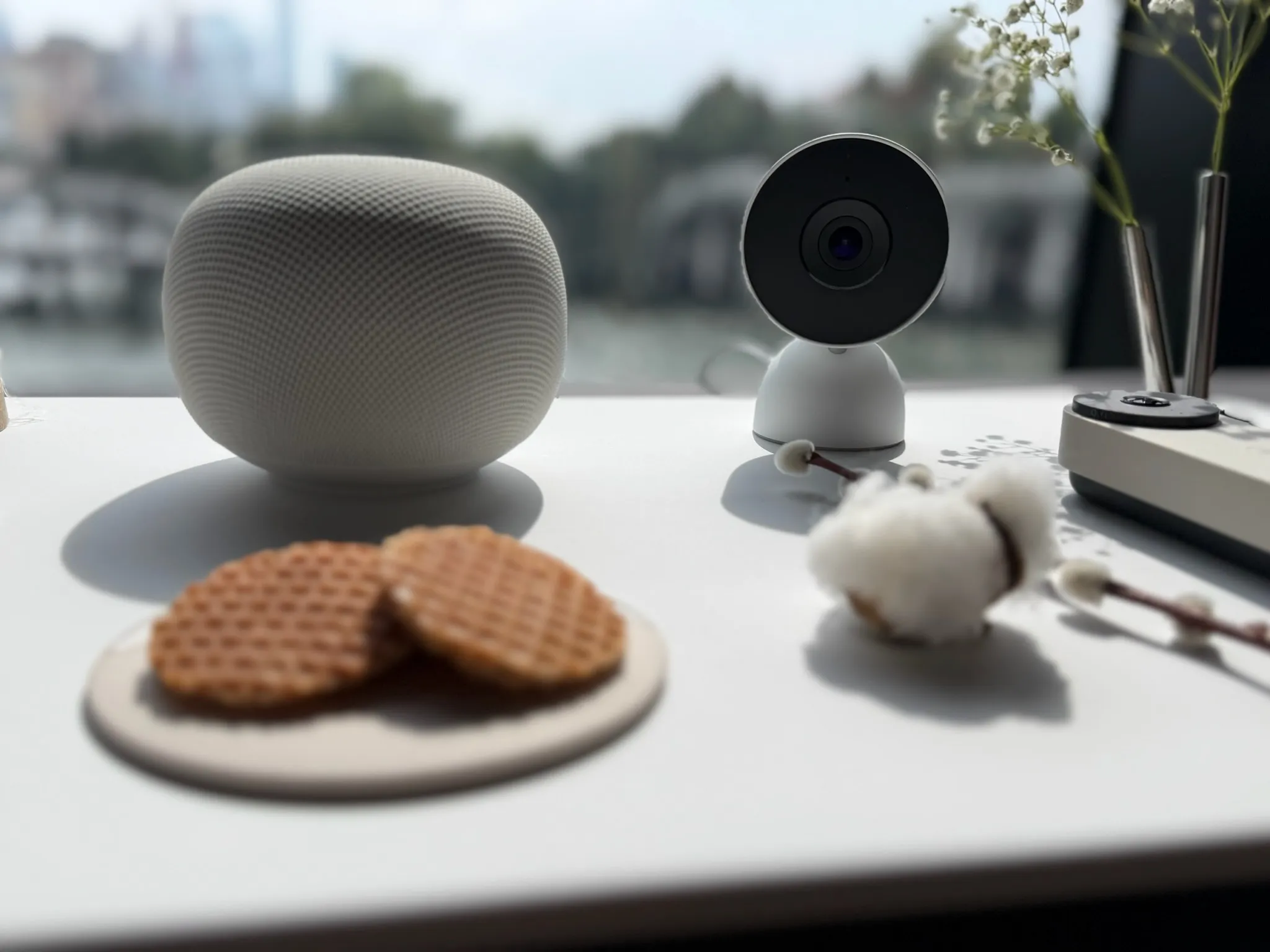
Google's director of product management for the Home Platform, Ravi Akella, emphasized the importance of developing proactive services that prioritize user care. Innovations such as AI-generated descriptions from cameras—where you'll be told that “a child is riding a bike on the lawn” instead of the more ambiguous “person detected”—illustrate a growing trend towards smarter notifications that aim to enhance user experience.
Furthermore, Google is set to broaden the availability of its Home Brief feature, which summarizes daily happenings around the house, to third-party partners. By allowing ISPs, wireless carriers, and security service providers to offer smart home solutions embedded with Gemini AI, Google envisions a marketplace where a range of partners may offer their own hardware and Google Home Premium subscriptions—all under one roof.
Subscription Fatigue and Questionable Value
This pivot towards subscription services is part of a larger industry trend in the quest for sustainable revenue streams. However, with many consumers already feeling overwhelmed by existing subscription costs, the entry of additional smart home-related fees could lead to what experts are coining as “subscription fatigue.”
While AI enhances functionalities, reports suggest that much of it still relies on basic advancements in computer vision rather than true contextual understanding. An anecdote from a homeowner in coastal South Carolina highlights this disparity; their AI-powered camera incorrectly identified a playful dog as a brown bear. Such misidentifications raise questions about the reliability and accuracy of these new features.
The Future of Smart Homes
For AI in the smart home arena to truly justify its costs, it must evolve beyond mere enhancements to fulfill proactive roles that anticipate user needs. The technology should ideally understand household routines and alert users about anomalies—like an open gate when it’s time to let the dog out, or unusual inactivity from an elderly family member, prompting a wellness check.
While Google and other companies present their visions for a more intelligent home life, the pressing challenge remains: providing meaningful, accurate alerts rather than inundating users with superfluous data. The promise of AI’s ability to not only assist but also protect homeowners is compelling; the industry must now deliver on that promise.
Source: The Verge
Source: The Verge