The landscape of Microsoft’s Surface lineup is poised for another transformation as the tech giant grapples with an increasingly competitive and evolving market. Once celebrated for its boundary-pushing designs, the Surface series now reflects a more streamlined approach, leading many to question what comes next for one of its flagship product lines.
In its heyday, the Surface Studio captured the imagination of consumers and creatives alike, boasting an innovative design that morphed from a polished all-in-one PC into a versatile drawing board. Yet, as of 2026, many of the more avant-garde Surface devices, such as the detachable Surface Book and the ambitious Surface Hub, have been retired from the lineup. This evolution signals a significant pivot away from the experimental ethos that characterized Microsoft’s earlier endeavors.
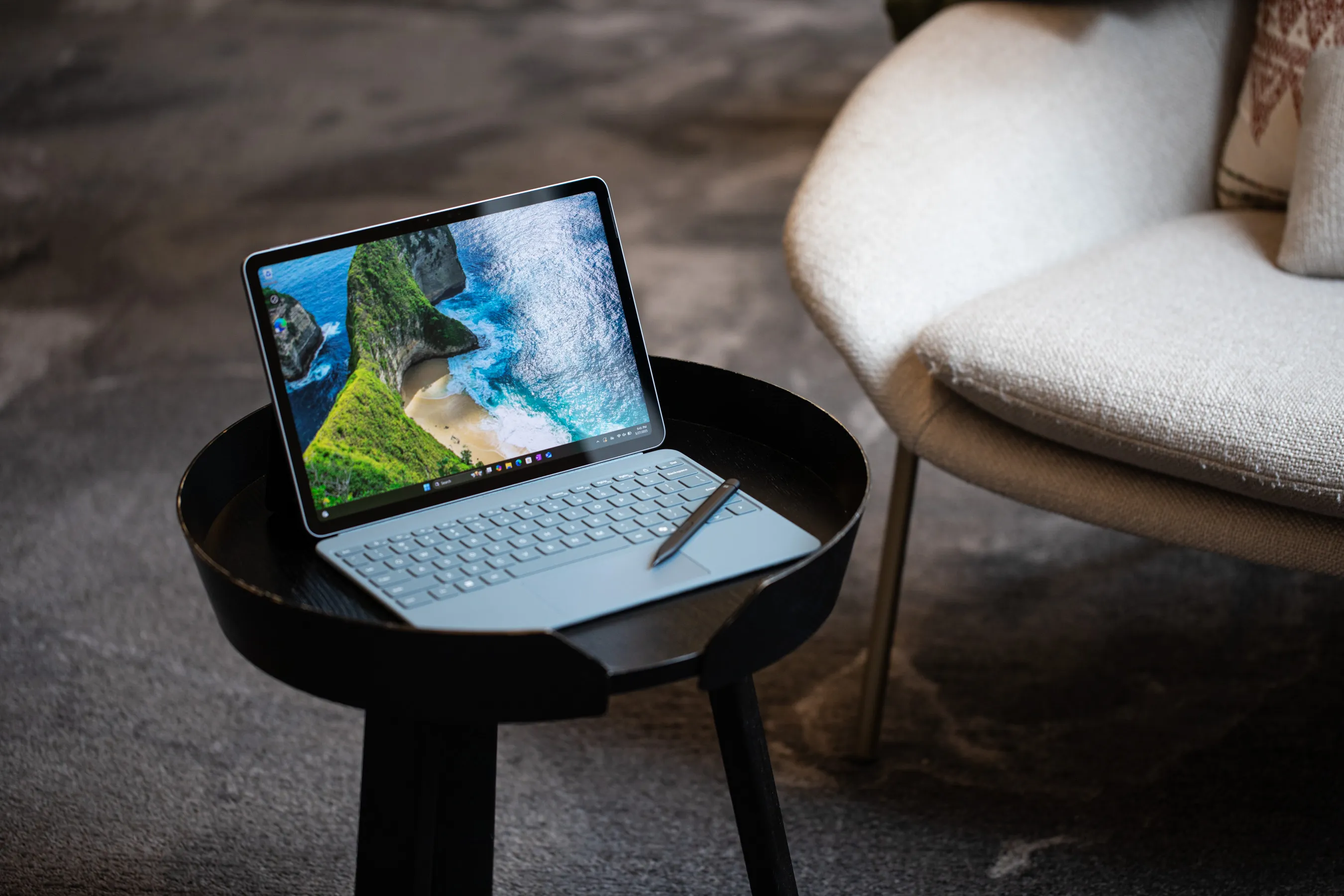
Currently, the Surface line is starkly simplified, comprised only of the Surface Laptop and Surface Pro series. Earlier this month, Microsoft unveiled the Surface Pro 12 and Surface Laptop 8, each featuring upgraded Intel chips. However, industry insiders report that a Qualcomm-powered version is on the horizon, representing yet another strategic shift.

While the Surface Pro and Laptop refreshes do introduce refinements in processing power, they fail to make compelling advancements within their respective categories. With starting prices reaching a daunting $1,949.99, these models may confront challenges in appealing to their core target market, especially among the business sectors they intend to captivate.
Speculative whispers in the tech community hint at a potentially game-changing alliance between Microsoft and Nvidia. The latter is reportedly on the verge of launching its own ARM processors - the N1 and N1X - which could reinvigorate the Windows on ARM ecosystem. Nvidia's interest in this market raises intriguing possibilities, particularly in how these chips might bolster graphics performance, an area where Qualcomm has been traditionally weaker.
Could this lead to the emergence of a dedicated Surface gaming laptop? While the prospect remains uncertain, former Surface chief Panos Panay previously indicated that such ventures may not align with Microsoft’s overarching strategy, given the success of existing OEMs in this domain. Instead, the partnership with Nvidia could offer significant advancements in local AI processing capabilities, aligning with Microsoft's ongoing commitment to enhance its AI offerings.
The outlook for Surface's future remains clouded, particularly following leadership changes and layoffs within the hardware unit in 2023. With no clear figurehead to champion the brand since Panay's departure, Microsoft’s Surface announcements have transitioned from grand stage reveals to understated blog posts.
As Microsoft rigorously reorients its focus towards AI-driven innovations, questions linger about how Surface will integrate into this framework. The anticipated Nvidia chips could provide crucial clues in the upcoming months, offering insights into Microsoft’s strategic direction and long-term vision.
The future of Microsoft's Surface lineup teeters on a precipice between tradition and innovation, as the company strives to redefine its identity in a rapidly changing technological landscape.
Source: The Verge
Source: The Verge