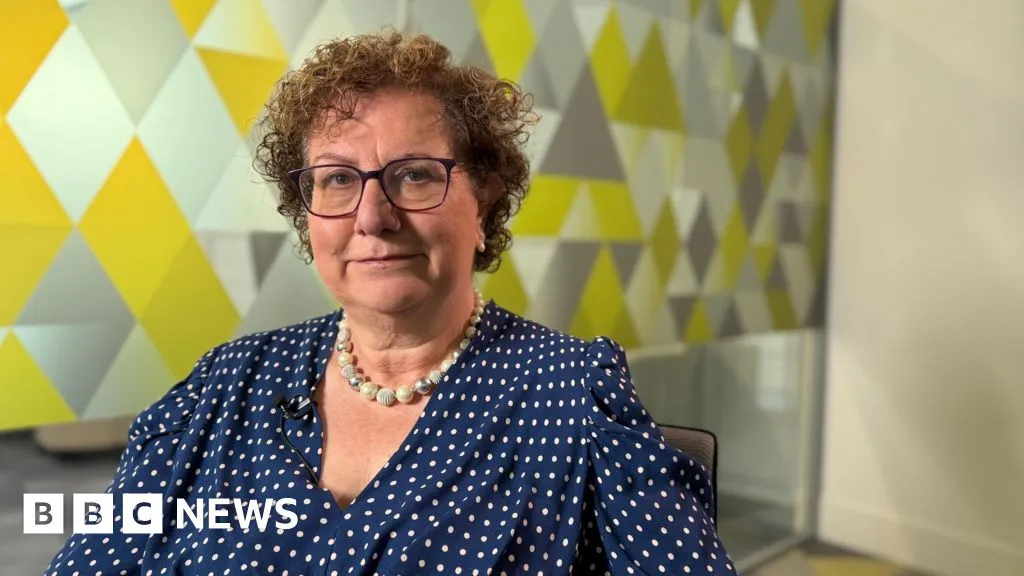
A contentious clinical trial aiming to assess the safety and efficacy of puberty blockers for children questioning their gender identity is receiving renewed scrutiny amid vocal opposition from activists and politicians. Dr. Hilary Cass, the author of a pivotal review on gender-affirming care, contends that postponing the trial could result in greater harm to young individuals compared to proceeding with it.
Speaking to the BBC, Dr. Cass remarked, "I am absolutely convinced that more children will be harmed if we don’t do the trial than if we do." This assertion comes as the Pathways clinical trial, slated to be conducted by researchers at King’s College London, prepares to recruit participants as young as 11, a decision met with mixed reactions.
The trial, which aims to explore the impacts of puberty blockers—medications that suppress development of secondary sexual characteristics—comes on the heels of Dr. Cass's 2024 review that highlighted an alarming lack of robust evidence regarding the usage of these drugs in pediatric gender care. Previously, the NHS had prescribed puberty blockers, but an indefinite ban was introduced in 2024 amidst growing concerns over their long-term effects.
Dr. Cass insists that the proposed trial is vital in determining whether these medications can safely provide children additional time to navigate their gender identity without rushing into irreversible treatment options like testosterone therapy. "Today we have young people turning up in the clinics on testosterone at 11, which we know is irreversible," she cautioned. "If puberty blockers were prescribed earlier, it could offer therapeutic avenues that might lead to different solutions—rather than a lifelong commitment to medication." 
Health Secretary James Murray reinforced the importance of evidence-based decisions in Parliament recently, stating, "Following the clinical advice, basing future decisions on clinical evidence, is the right way to move forward." This sentiment comes amid ongoing legal challenges from campaigners arguing that the trial is unethical and poses significant risks to participant welfare.
The trial had originally been scheduled to launch in August following changes to minimum age requirements, which were adjusted after initial regulations suggested participants should be no younger than 14. Now, birth-registered females can join the trial at 11, while birth-registered males can participate starting at age 12, provided that legal obstacles are resolved.
Critics, including the Bayswater Support Group, worry that the trial may inflict irreversible damage on children's futures, raising profound ethical questions regarding informed consent in medical practices for minors. Trans campaigners like Chay Brown of TransActual have welcomed the trial but insist on recovering the ability of the NHS to provide comprehensive and timely care to trans individuals, removing the stigma surrounding such medical interventions.
Dr. Cass emphasizes that it is time to rely on clinical evidence and scientific inquiry to pave the way for better care, stating that the community of transgender youth and their families have endured inadequate support from NHS services for far too long.
Ultimately, the outcome of this trial could play a critical role in shaping the future landscape of transgender healthcare, balancing the potential benefits of puberty delay against the ethical considerations involved in treating young patients.
Source: BBC Health