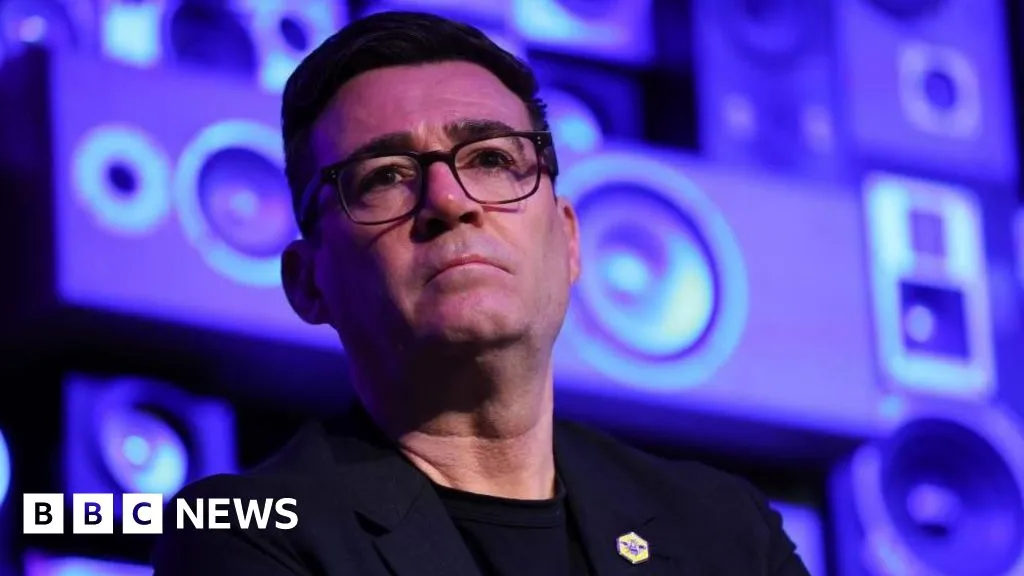
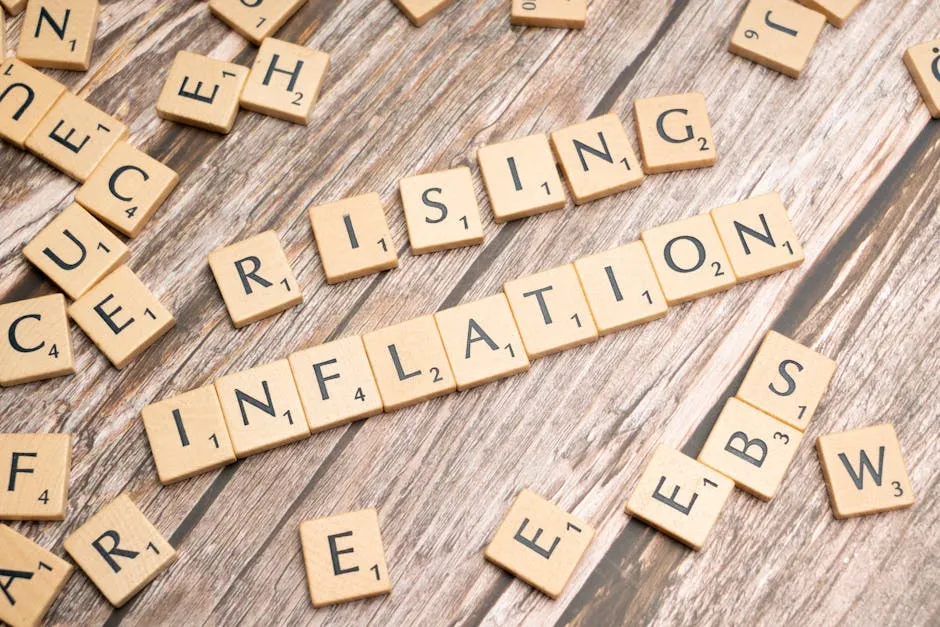
UK borrowing costs have surged to levels not seen in nearly two decades, as market anxieties spiral in the wake of Labour leadership contender Andy Burnham's announcement to contest a parliamentary seat. With the 10-year bond yield surpassing 5.14%, investors are increasingly wary of potential fiscal policies that a Burnham-led government might introduce.
As the pound slid 0.3% against the dollar to approximately $1.337, the turbulence reflects broader concerns. Kathleen Brooks, research director at XTB, noted that the pound's decline is symptomatic of market trepidation surrounding Burnham, who is perceived as possessing the least market-friendly approach among leadership candidates. “Wes Streeting’s resignation didn’t yield similar adverse effects,” she remarked.
The ramifications extend beyond currency fluctuations. Long-term borrowing costs also reached a staggering 28-year high, with 30-year gilt yields climbing to 5.82%. While other European nations have experienced rising borrowing costs, the UK's increase has been notably more pronounced amid fears that Burnham's leadership might further exacerbate the nation's already formidable public debt.
Market sentiment has been dampened not only by internal Labour Party dynamics but also by external pressures; ongoing conflicts in the Middle East are raising global energy costs, with Brent crude oil prices recently soaring past $109 a barrel. The combination of local political uncertainty and international economic factors has contributed to a perfect storm for financial markets.
Using language that resonates with a leftward shift, Burnham previously expressed in an interview that the government needs to "get beyond this thing of being in hock to the bond markets.” Such pronouncements, albeit aimed at political reform, have ignited fears of excessive fiscal policies, driving investors to rethink their positions in UK assets.
Russ Mould, investment director at AJ Bell, observed that while Burnham’s parliamentary future remains uncertain, his remarks have undoubtedly influenced the trajectory of British market confidence. “Any process that involves Burnham could be lengthy and contentious, prolonging the political ambiguity in the UK,” he cautioned.
Brooks further emphasized that key factors stirring volatility in the pound and increased borrowing costs stem from the prevailing chaos in UK politics and speculations about the Labour party's shift leftward. “The situation is alarming; there are already indications that foreign investors are retreating from the gilt market. Should significant turmoil occur in the pound or government bonds in the coming days, prospective candidates will need to reassess their political ambitions,” she stated.
In response to the escalating political drama, Jefferies economist Mohit Kumar remarked that markets are wary of Burnham’s potential governance style, fearing that it could lead to larger deficits.“
On the trading front, UK stocks followed suit, with the benchmark FTSE 100 index plunging by 1.7%, mirroring declines seen across other European markets.
Amid the tumult, Burnham, currently the Mayor of Greater Manchester, has committed to revitalizing Labour’s image, asserting, “We will change Labour for the better and make it a party you can believe in again.” However, his path is fraught with challenges, as he requires the local party’s endorsement for his candidacy in Makerfield and faces a potentially tight race against Reform UK.
As political dynamics continue to evolve, the implications for the UK economy and its financial markets remain critical and uncertain.
Source: BBC Business