In a surprising turn of events, the UK economy recorded an unexpected growth of 0.3% in March, defying predictions amid the mounting pressures stemming from the Iran conflict. This robust performance has raised eyebrows among economists who had anticipated a slight contraction during this turbulent period.
According to the latest figures from the Office for National Statistics (ONS), economic expansion in March was fueled by a last-minute surge in consumer and business spending, as fears of escalating prices prompted many to accelerate their purchasing. The overall growth for the first quarter stands at an impressive 0.6%, marking the most significant quarterly gain in a year and the highest among G7 nations reporting figures thus far.
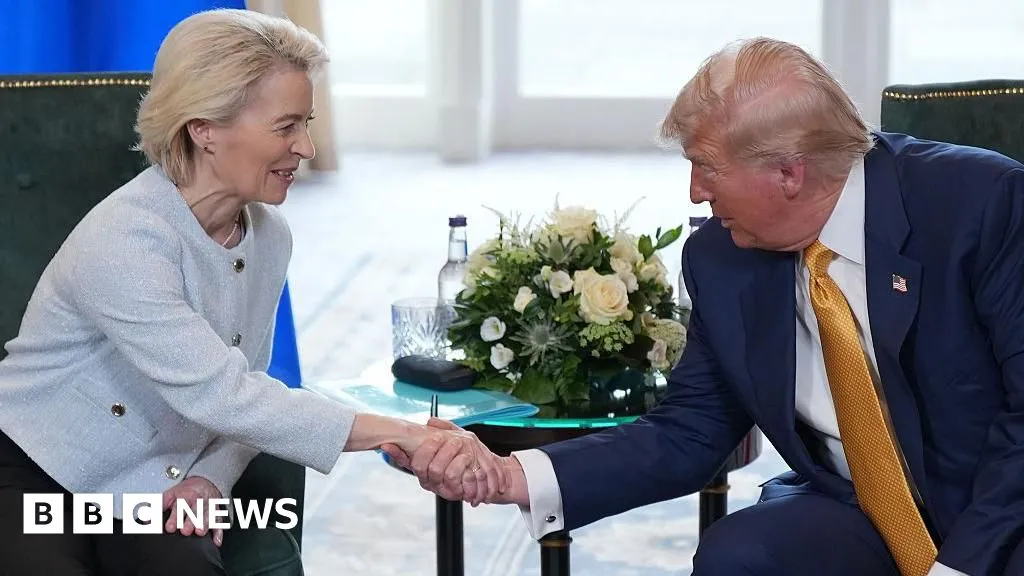
Chancellor Rachel Reeves heralded the growth as evidence that the government's economic strategies are on the right track, although she warned of potential instability arising from ongoing Labour leadership contests. “We must not jeopardize our economic stability at a time of global conflict when our plans are beginning to produce results,” she emphasized.
While the March figures reflect positivity, they may not fully encapsulate the impending challenges. The International Monetary Fund (IMF) recently cautioned that the UK could be among the hardest hit by the ongoing war, with related disruptions anticipated to impact growth later in the year.  Clément Proust on Pexels' alt='Illustrative image of market fluctuations and economic trends'>
The ONS indicated a trend of ‘front-loading’ activities, with many businesses accelerating operations in response to anticipated cost increases linked to the war. Auto sales, particularly for electric vehicles, saw a notable uptick as consumers sought alternatives amid rising fuel prices.
Danni Hewson, head of financial analysis at AJ Bell, noted that higher fuel costs may have propelled a shift towards electric vehicle purchases. Yet, Yael Selfin, KPMG's chief economist, stresses that the consequences of the Iran conflict are likely to intensify in the upcoming quarter, as rising energy and food prices exert pressure on household budgets.
Local businesses are already feeling the heat. Boston and Kennady Mace, siblings running a play center in Chelmsford, expressed concern over families tightening their spending: “We used to see people spending more freely. Now, customers are cutting back on everything, and it feels like the toughest challenge we've faced in our years of operation.”
As inflationary pressures grow, product costs are set to escalate sharply. Rory O'Keeffe, commercial director at Europlaz Technologies, a medical device manufacturer, reported immediate price rises of 5% to 10% for essential materials following the outbreak of hostilities. “We’re experiencing immediate price increases directly linked to the ongoing situation,” he noted.
Despite the optimism surrounding March's growth figures, critics argue that the UK government must shift focus from internal strife to addressing the escalating cost of living crisis. Shadow Chancellor Mel Stride warned that the current uncertainty surrounding Labour leadership is destabilizing the economic outlook, which he described as perilously simplistic and unsustainable.
The Chancellor is set to announce additional measures for families and businesses affected by geopolitical tensions in the coming week, yet the shadows of conflict loom large over the economic landscape. As the nation braces for the ramifications of the ongoing crisis, all eyes will remain on the UK’s attempts to sustain this economic momentum.
Source: BBC Business