The UK's economy contracted by 0.1% in April, a decline attributed in part to the escalating conflict in Iran, according to official data from the Office for National Statistics (ONS). This latest downturn represents the first monthly contraction since August 2025 and raises concerns about the resilience of an economy grappling with rising costs and geopolitical turmoil.
The conflict in the Middle East has disrupted trade routes, notably the vital Strait of Hormuz, resulting in a surge in crude oil prices that has directly impacted consumer costs. As petrol and diesel prices rise, the ONS also warned of forthcoming increases in household energy bills, expected to dominate financial discussions as the energy price cap will rise again this July.
Economists had anticipated this slight contraction following an unexpectedly robust performance in March. The three-month growth rate, however, stood at a healthier 0.7%, indicating that despite the April contraction, the broader economic context remains complex. Analysts predict the Bank of England will maintain its current interest rate strategy during its upcoming meeting, as many have begun to forecast a slower economic landscape ahead.
Yael Selfin, chief economist at KPMG UK, emphasized that the April contraction reveals underlying vulnerabilities that could hinder future growth. “The contraction in April is more indicative of growth prospects for the economy going forward,” she noted, suggesting that renewed fragility looms over both consumers and businesses amid soaring costs.
Consumer sentiment reflects a cautious outlook, with many households planning to tighten their spending as they anticipate substantial increases in energy expenses. This shift towards increased savings rather than consumption is expected to weigh heavily on economic activity in the upcoming months. Concurrently, businesses are feeling the pinch from rising operational costs, compounded by a decline in domestic demand, which constrains their ability to pass those costs onto consumers.
Chancellor of the Exchequer Rachel Reeves acknowledged the ongoing challenges posed by external factors, stating, “The conflict in the Middle East will have an impact at home. Before the conflict escalated, our growth was higher than expected and inflation was declining.” Meanwhile, opposition leaders have criticized the government's approach, with Shadow Chancellor Mel Stride asserting that the current policy framework is leaving the economy vulnerable to such shocks.
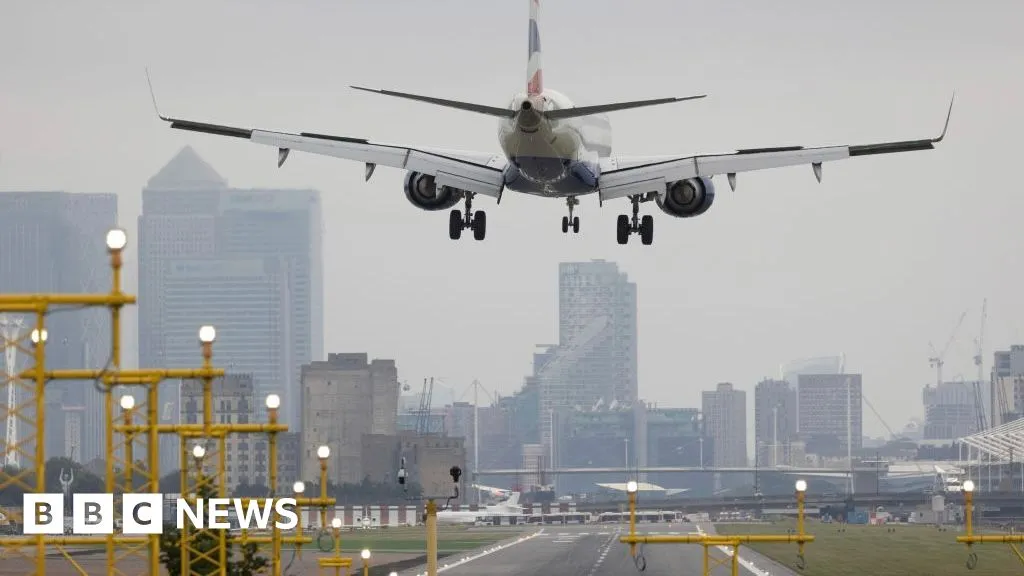
According to ONS data, the most significant contributor to the contraction was a 0.2% decline in the services sector, which constitutes approximately 75% of the UK’s economy. Areas particularly affected include arts, entertainment, sports activities, and related sectors, all of which have seen slowdown as international events become increasingly precarious. The effects of the Iran conflict have reverberated through the travel and transportation industries as well, underscoring the far-reaching implications of such geopolitical developments.
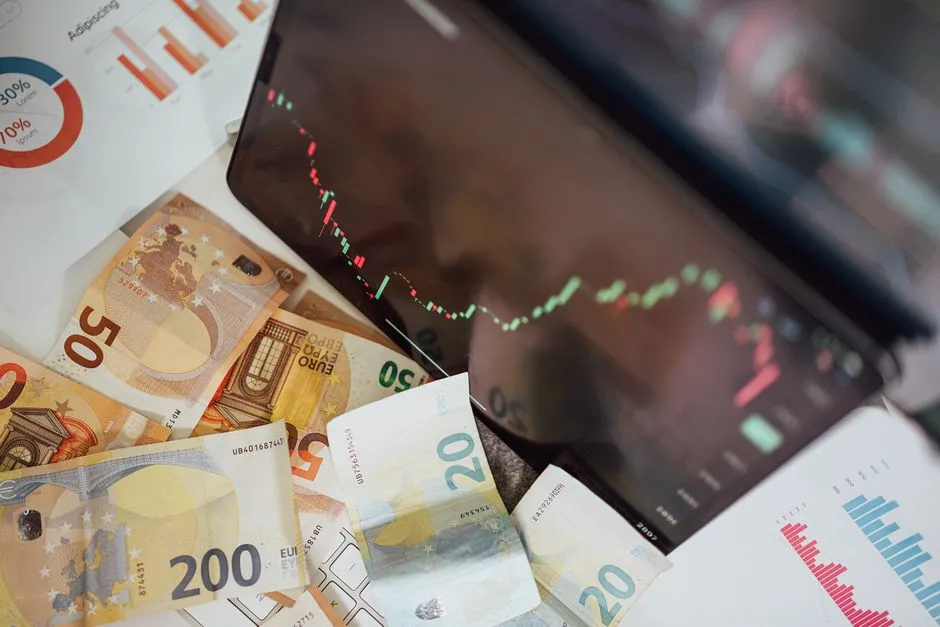
Ruth Gregory, deputy chief UK economist at Capital Economics, hinted at potential interest rate adjustments in response to emerging economic conditions later this year. However, she anticipates that the current weakness will likely prompt the Bank of England to keep interest rates steady in the near term. “The contraction in April clearly indicates that the strong start to the year is now faltering,” she advised, projecting that economic stagnation could become a pressing issue heading into the summer months.
As the UK navigates the complexities introduced by international events and internal economic pressures, the path forward remains uncertain. Policymakers are being called upon to devise strategies that can bolster resilience against these challenges.
Source: BBC News
Source: BBC Business