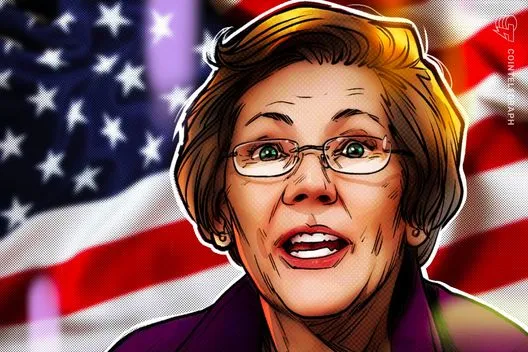
Senator Elizabeth Warren has intensified scrutiny on the Office of the Comptroller of the Currency (OCC) under the leadership of Jonathan Gould, alleging illegal approvals of national trust charters for unqualified cryptocurrency companies. In a pivotal letter addressed to Gould, Warren outlined serious concerns that the OCC may have breached banking laws by granting at least nine charters to entities effectively acting as crypto banks without adhering to established legal frameworks.
Warren's correspondence demands a comprehensive disclosure of all applications approved or conditionally sanctioned since December 2025, which include prominent names like Coinbase, Ripple, and Fidelity Digital Assets. She specifically highlighted the necessity for transparency regarding communications between the OCC and former President Donald Trump or his family members that could be connected to these charter approvals.
“These companies are effectively crypto banks that want to evade the fundamental safeguards and obligations that come with being a bank,” Warren stated, emphasizing that the OCC's actions not only defy federal regulations but also jeopardize consumer safety and undermine the integrity of the banking system. “Your decision to facilitate this regulatory arbitrage poses serious risks to consumers and reflects conflicts of interest that must be addressed.”
Regulatory and Political Fallout
The Massachusetts senator, who serves as the ranking member of the U.S. Senate Banking Committee, has been vocal in her criticism of policies that potentially entangle regulators with Trump’s connection to the cryptocurrency sector. Her initiative to include protective measures in the proposed Crypto Market Structure bill, dubbed the CLARITY Act, underscores her commitment to ensuring that regulatory frameworks are not undermined by political influences.
Adding to the ongoing controversy, Kraken's parent company, Payward, submitted an application to the OCC for a national trust charter on May 8, which would permit the firm to provide fiduciary custody and other services centered around digital assets if granted. The implications of such charters could reshape custody and servicing norms within the cryptocurrency landscape, allowing firms to operate under a regulatory umbrella distinctly separate from traditional banking obligations.
As the OCC navigates this complex landscape, questions regarding its role in the fast-evolving crypto ecosystem and its connections to influential figures linger at the forefront of regulatory discourse. The urgency for clear and enforceable regulations has never been more pronounced as industry players vie for legitimacy against a backdrop of regulatory uncertainty.
As Warren awaits a response from the OCC, the accountability surrounding financial governance and investor protection remains a crucial topic of national conversation.
Source: Cointelegraph