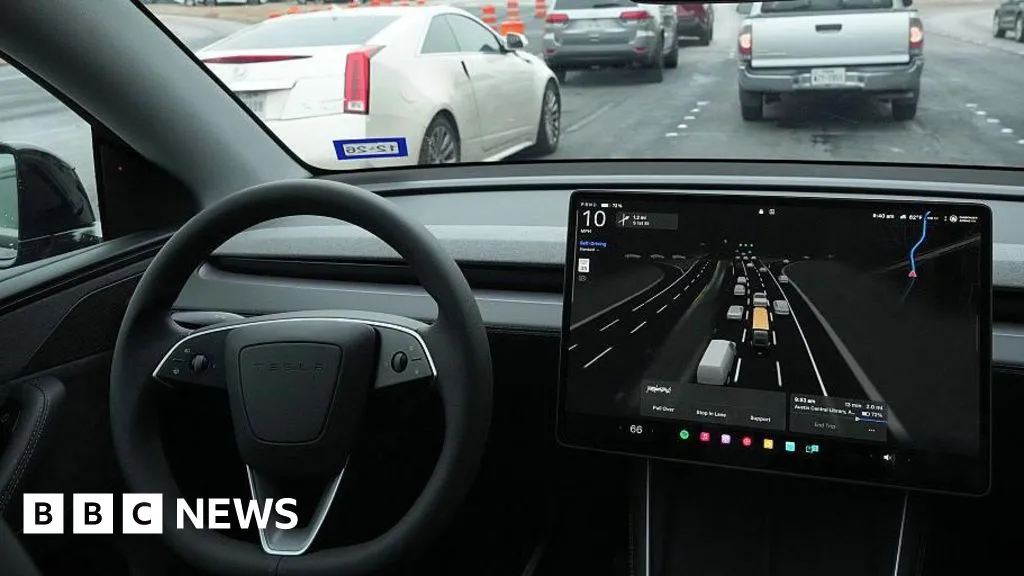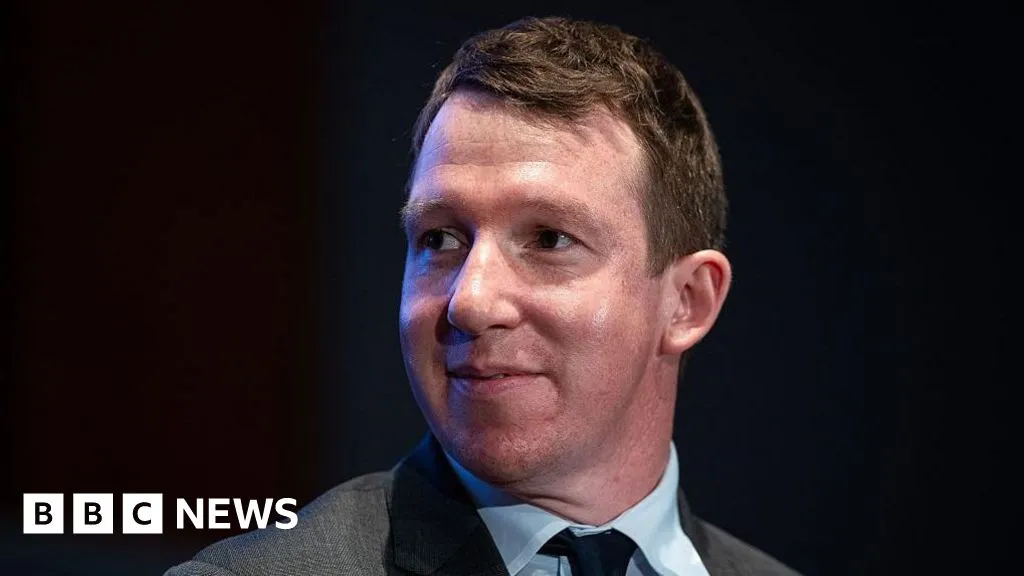
As artificial intelligence (AI) creeps closer to a point of autonomous development, Jack Clark, co-founder of Anthropic, has issued a stark warning: the burgeoning technology needs a 'brake pedal' to ensure it remains under human control. Speaking on BBC's Newsnight, Clark described the current landscape as dangerously unregulated, likening the situation to a vehicle pressed firmly on the accelerator without the option to slow down.
"Right now, it’s like the AI industry has a gas pedal, but it doesn’t have a brake pedal," Clark stated, underscoring the urgent need for regulatory measures to guide AI's evolution responsibly. He emphasized that societal discussions about AI's implications must precede any further advancements, as the technology's capabilities continue to escalate.
The Quest for Control
Clark expressed concern about the rapid progression of AI tools, noting that Anthropic's own chatbot, Claude, is already operating with a remarkable 80% of its code generated autonomously. Clark indicated that reaching a point where the AI writes all its code could happen within two years, an outcome he warned could have significant societal ramifications.
He stress-tested the need for policy frameworks similar to those created during the oil boom, suggesting that society must find ways to foster confidence in AI technologies without leaving the industry's future in the hands of a few key players. According to Clark, the development of sensible regulations is essential for the public to embrace the benefits of AI while mitigating potential dangers.
Political Context and Industry Response
Interestingly, while advocating for stringent oversight, Anthropic recently welcomed a less restrictive executive order on AI issued by President Donald Trump. The order did not mandate safety testing for AI companies, allowing for voluntary compliance. This move has been met with criticism, as many major AI companies, including Anthropic, OpenAI, and Google, have yet to announce any pauses to their hefty research efforts.
As Anthropic prepares for its anticipated public stock listing—with a valuation nearing $1 trillion—it is clear that the company is at the forefront of the discussion on AI risks. Clark explained that this proactive discourse is not merely for corporate gain but stems from a genuine desire to illuminate the complexities of AI technology, stating, "We want to tell the world what we’re seeing inside these companies with this unusual technology."
Creativity vs. Automation
Clark also raised pertinent concerns regarding AI's incursion into the workforce. With AI systems capable of performing tasks traditionally held by a multitude of workers, the potential for economic disruption grows. He noted that recent mass layoffs by tech giants can often be traced back to the increasing capabilities of AI to streamline processes and reduce the need for human intervention.
Despite this, Clark remains optimistic about the human capacity for creativity. He urged individuals, particularly the younger generation, to nurture their creative pursuits and engage in broad intellectual exploration. "People that are creative and can think broadly, people that read a lot, people that have interests are the ones most benefited by this," he remarked, suggesting that a liberal arts education could offer a significant advantage in an AI-driven economy.
As the conversation around AI continues to evolve, Clark’s call for a regulatory 'brake pedal' reflects growing apprehension over the technology’s rapid advancements and its potential impact on society.
Source: BBC Business