The World Health Organization (WHO) has heightened the risk assessment of the ongoing Ebola outbreak in the Democratic Republic of Congo (DRC), categorizing it as 'very high' amid a surge of nearly 750 suspected cases. In a stark warning from the agency's Director-General Dr. Tedros Adhanom Ghebreyesus, the situation in the DRC has drawn international attention as authorities scramble to address the escalating health crisis.
Escalating Cases and Fatalities
As of the latest reports, this harrowing outbreak has resulted in 177 suspected fatalities, with 82 confirmed cases and seven associated deaths identified. Neighboring Uganda has also reported two confirmed cases, which are believed to stem from individuals returning from the DRC, although Dr. Tedros characterized the situation there as currently stable.
Vaccine Development Efforts Underway
The rarity of the Bundibugyo strain of the Ebola virus, which is believed to claim approximately one-third of those infected, poses a significant challenge, as there are no approved vaccines available. However, researchers at Oxford University are making strides in developing a new vaccine that may enter clinical trials within two to three months. This promising initiative harnesses the same technology used for the AstraZeneca COVID-19 vaccine, although its effectiveness remains untested until animal and human trials are completed. Meanwhile, the Serum Institute of India is prepared to mass-produce the vaccine upon availability of medical-grade materials from Oxford.
Violence Erupts Amid Public Fear
The human toll of the outbreak has created an atmosphere of fear and distrust among local populations. In a recent incident, angry relatives set a hospital ablaze in eastern DRC after health workers refused to release the body of a deceased Ebola patient due to contamination concerns. Local politician Luc Malembe Malembe described chaos at Rwampara General Hospital, where police fired warning shots to restore order as patients and healthcare workers faced hostility.
Dr. Tedros emphasized the urgent need to build trust within these communities, noting that the ongoing violence complicates the response to the outbreak. He remarked, "It is crucial we engage with the communities affected to ensure they understand the risks and the measures necessary to prevent further spread of this deadly virus." 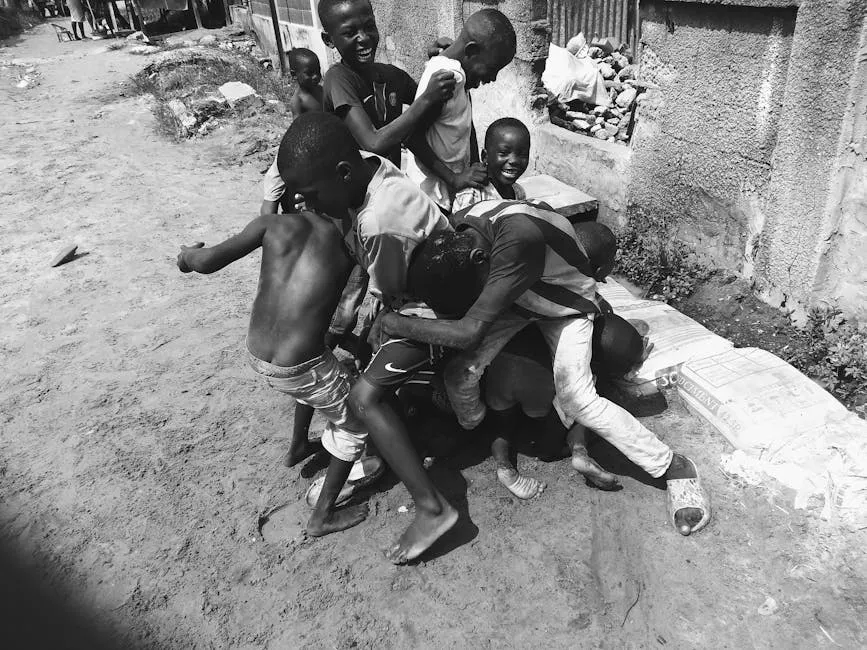
A Community in Despair
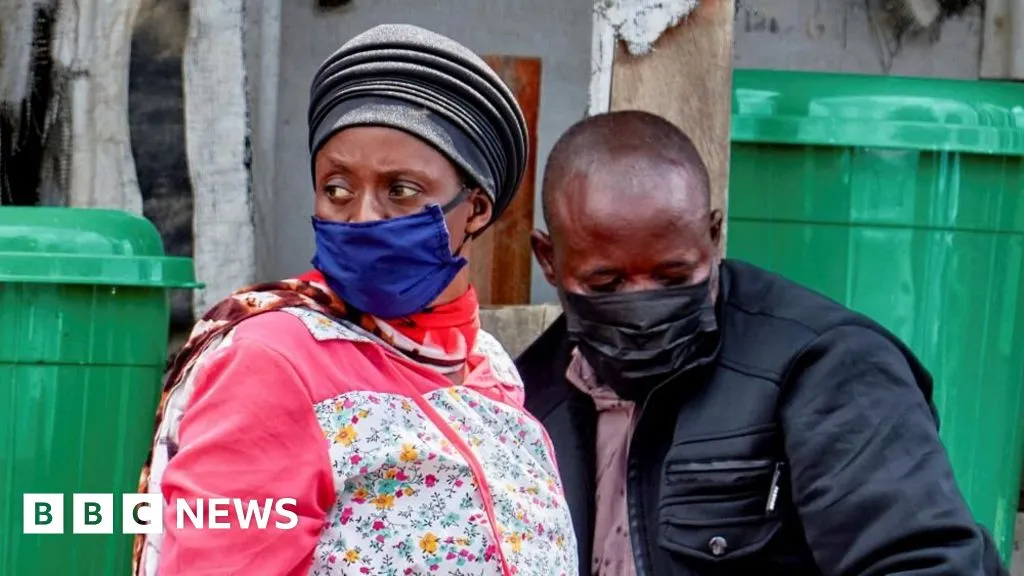
As fear grips the region, residents express their anxiety over the rapid spread of the virus. One young taxi rider conveyed the gravity of the situation, stating, "Ebola has tortured us. I am scared because people are dying very fast... we are really afraid." This sentiment resonates across the community, where the increasing number of deaths has amplified feelings of despair and urgency.
The WHO has classified the public health risk from the outbreak as a health emergency of international concern, distinctly noting that it does not presently meet the criteria for a pandemic. With research initiatives moving forward and heightened surveillance in place, the global health community eyes DRC closely as it confronts this formidable challenge.
Source: BBC News
Source: BBC Health