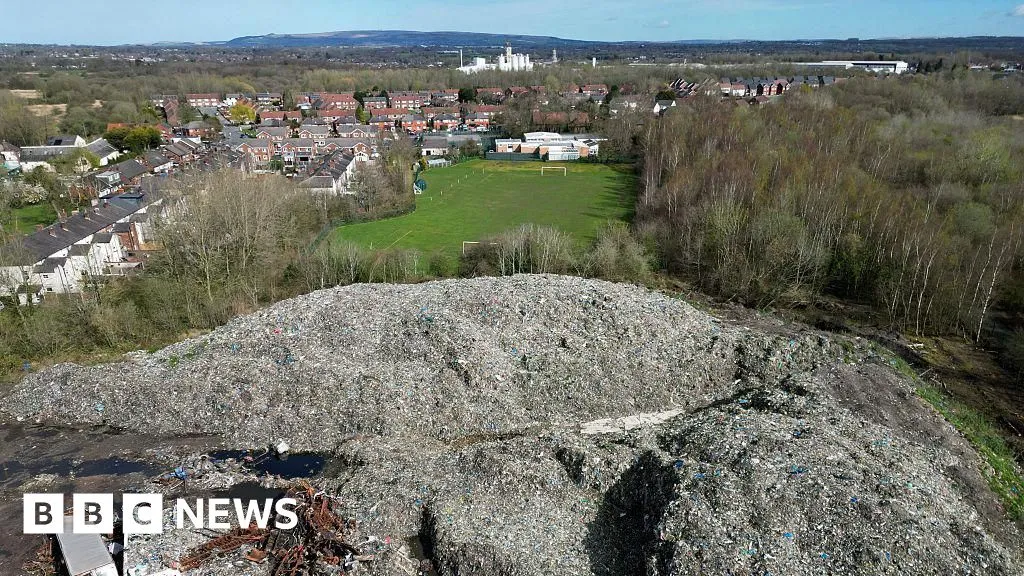
In a significant move to combat environmental degradation, the UK’s Environment Agency has unveiled a new watchlist revealing 28 illegal waste “super sites,” each harboring over 20,000 tonnes of waste. This alarming disclosure, made on Friday, spotlights the escalating issue of waste crime, with the potential to jeopardize both public health and the surrounding ecosystems.
The watchlist includes a total of 117 hazardous sites deemed of high priority across England, featuring the largest offender—a staggering 281,000-tonne mound of contaminated soil located in Northwich, Cheshire. This site was first highlighted in a BBC investigation earlier this year.
The Environment Agency estimates there are approximately 700 illegal waste sites nationwide, but this targeted list aims to bolster transparency and inform residents about the agency's enforcement efforts. Among those listed are ongoing clean-up operations at sites in Kent and Oxfordshire, identified as particularly detrimental to their communities.
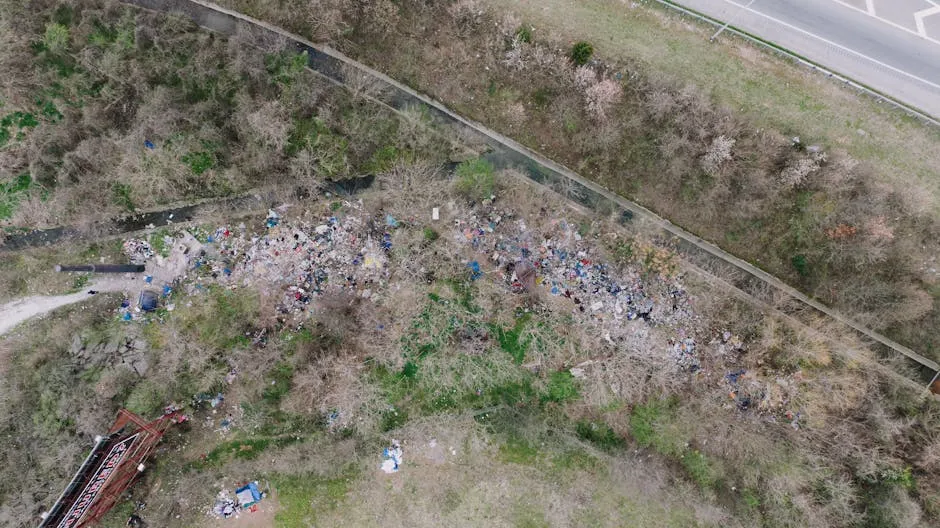
Notable locations in Wigan and Sheffield, collectively containing nearly 40,000 tonnes of waste, have also been included, with plans for possible clearance at taxpayers' expense, reflecting the government’s rigorous waste crime action strategy. Despite these efforts, the Environment Agency has clarified that it is typically not funded to oversee clean-up at the majority of sites; action is only taken in exceptional circumstances where there is a significant risk to the environment or public health.
Geoff Howarth, a local business owner adjacent to one of the Sheffield sites, expressed skepticism over the effectiveness of the new watchlist. “It gives me no more faith whatsoever that greater action will be taken,” he stated. He called for a more stringent approach to ensure that waste criminals are held accountable, emphasizing that public funds should only be utilized to clean sites operated by known offenders.
The sites identified on the watchlist encompass diverse waste types, including household refuse, construction debris, asbestos, and tyres, with many operating unlawfully without necessary permits. With a combination of private lands and unlicensed dumps, the Agency is encouraging the public to report any knowledge of these locations to aid in ongoing investigations.
Philip Duffy, chief executive of the Environment Agency, highlighted the critical nature of waste crime, labeling it a “serious blight” on communities and the environment. “Publishing this watchlist is a deliberate act of transparency; communities need to know that we are acting, and we want those committing these crimes to know we are coming for them,” Duffy asserted. He urged anyone with information to step forward, reinforcing the agency's commitment to utilizing all resources available to tackle these pressing challenges.
As authorities tighten regulations surrounding waste carrier licenses and commit to eradicating illegal dumping, the question remains—how will the government balance effective enforcement with the bureaucratic hurdles that often hinder swift action?
Source: BBC Science