In a significant development, Hezbollah has reportedly accepted a US-brokered proposal aimed at establishing a mutual cessation of hostilities with Israel. This agreement follows a series of escalating confrontations along the Lebanon-Israel border, raising questions about the durability of the uneasy peace.
The Lebanese embassy in the United States confirmed on Tuesday that Hezbollah's leadership has agreed to halt its military operations against Israel, while Israel has pledged to cease its bombardments of Beirut, particularly targeting the southern suburbs. Israeli Prime Minister Benjamin Netanyahu, however, cautioned that any violations from Hezbollah will provoke a swift Israeli response. "If Hezbollah continues its aggression against our cities and civilians, we will not hesitate to act," he stated.

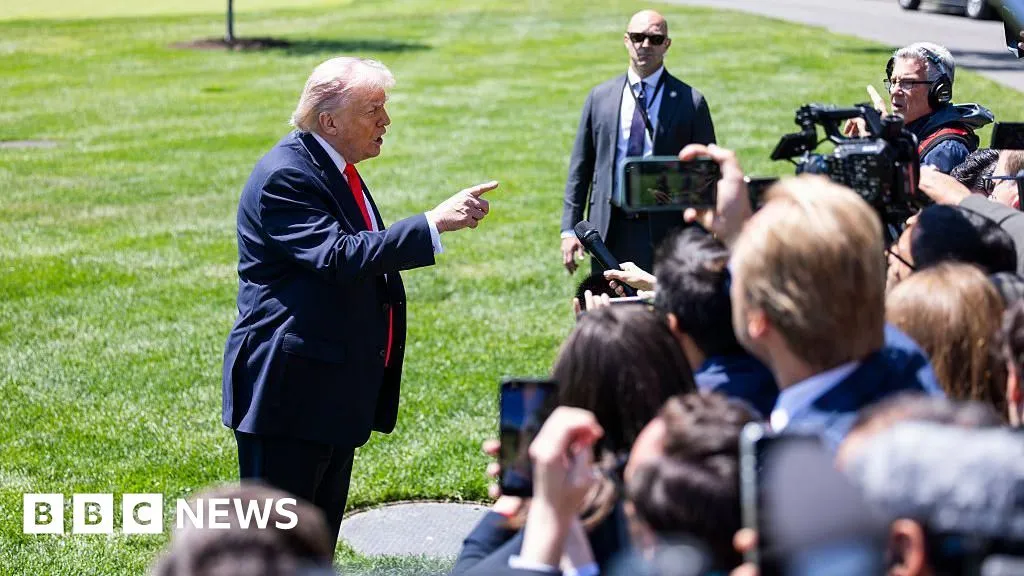
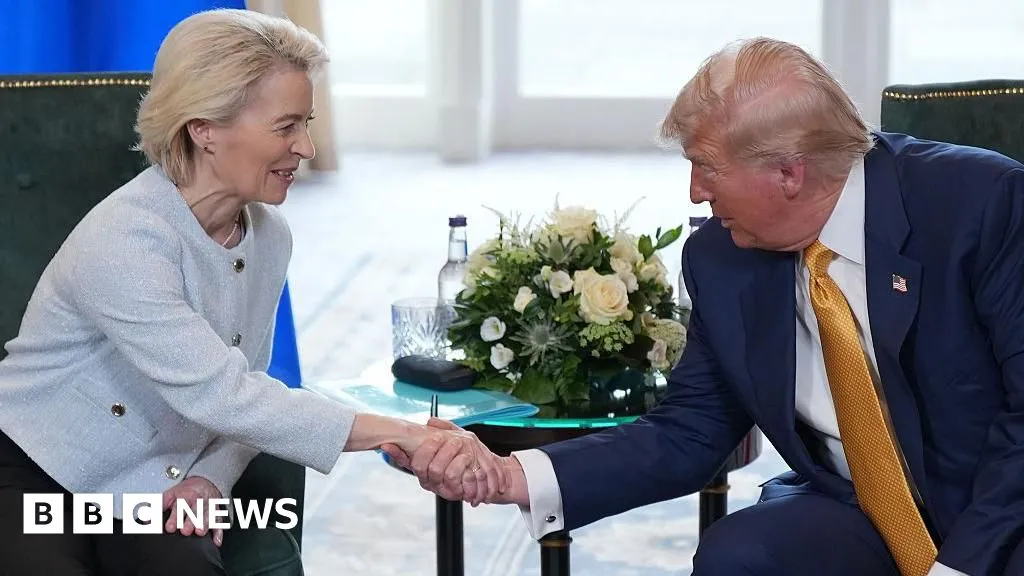
American President Donald Trump disclosed that he had engaged in discussions with both Netanyahu and representatives from Hezbollah, asserting that both sides consented to the cessation of hostilities. He emphasized that this mutual agreement serves to protect civilian lives on both fronts amid ongoing regional tensions.
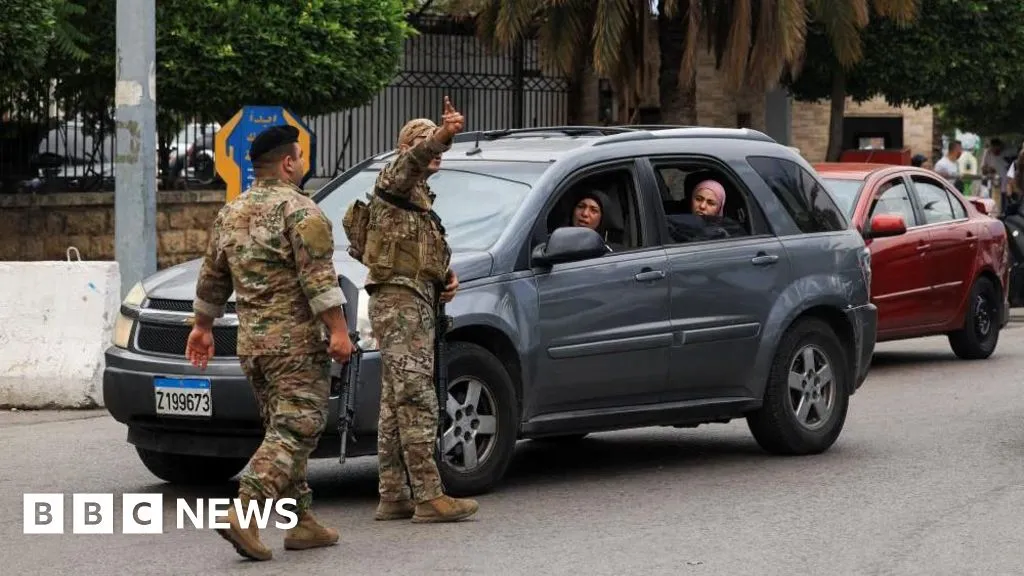
The announcement of the ceasefire came after an uptick in violence, including Hezbollah's recent drone and artillery assaults on Israeli positions in northern Israel. These attacks prompted the Israeli Defense Forces (IDF) to intercept projectiles launched from Lebanon, reflecting the fragility of the new peace initiative. Despite the agreement, Israeli military operations in southern Lebanon continue, aimed at what they term "terror targets" linked to Hezbollah.
The state-run National News Agency of Lebanon reported Israeli military actions have resumed, citing explosions that rocked the town of Debbine and underscoring the precarious situation on the ground. Hezbollah’s escalation of attacks has drawn swift warnings from Iran, asserting the need for a comprehensive peace that includes Lebanon as a critical part of US-Iran negotiations.
In a parallel development, Iranian officials indicated that any violations of the ceasefire framework could compel Tehran to reevaluate its participation in indirect negotiations with the United States concerning Israel’s military actions in Lebanon. Furthermore, the Iranian Tasnim news agency hinted at the potential for Iran and its allies to open new fronts, threatening destabilization in regions such as the Bab al-Mandab Strait.
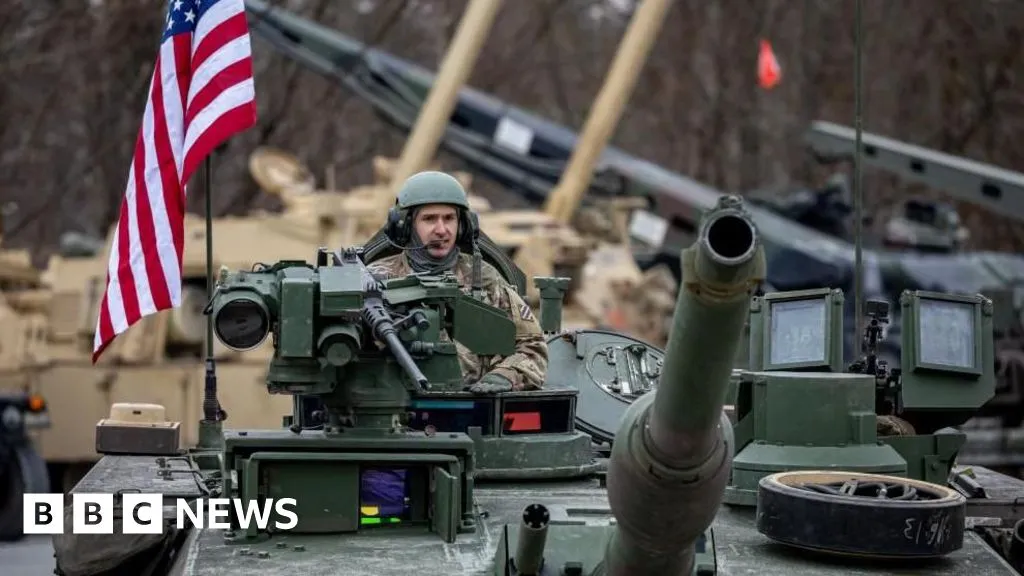
As tensions simmer, Trump assured that diplomatic conversations persisted, affirming that military forces slated for deployment to Beirut would be turned back. The broader landscape, however, remains volatile as both geopolitical players navigate their interests against a backdrop of escalating hostilities.
With hostilities still simmering despite the announcements of a ceasefire, the region continues to brace for what could be another tumultuous chapter in the complex narrative of Lebanon-Israel relations.
Source: BBC News
Source: BBC World News