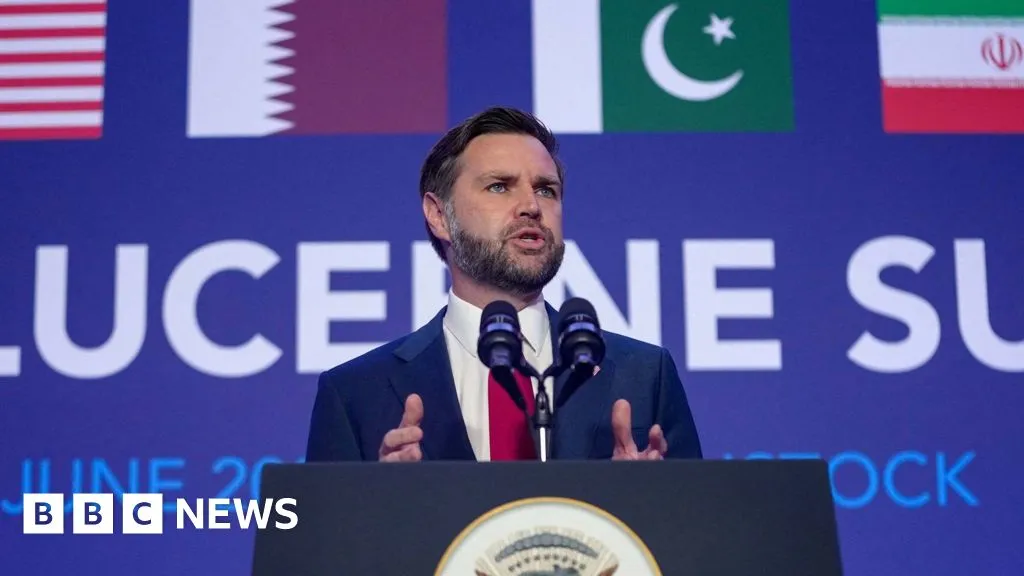
In a groundbreaking development, US Vice President JD Vance announced that Iran has agreed to allow nuclear inspectors back into the country, a significant concession anticipated by the international community. This decision follows an initial round of diplomatic talks aimed at resolving longstanding tensions and fostering stability in the region.
Speaking from Switzerland, Vance expressed optimism following the discussions, which he characterized as a vital step toward a lasting framework to end regional hostilities and curb Iran’s nuclear ambitions. "We have laid a very good foundation for a future agreement," Vance said, emphasizing the pressing need to advance stability in the Persian Gulf and achieve a ceasefire in Lebanon.
A Historic Memorandum of Understanding
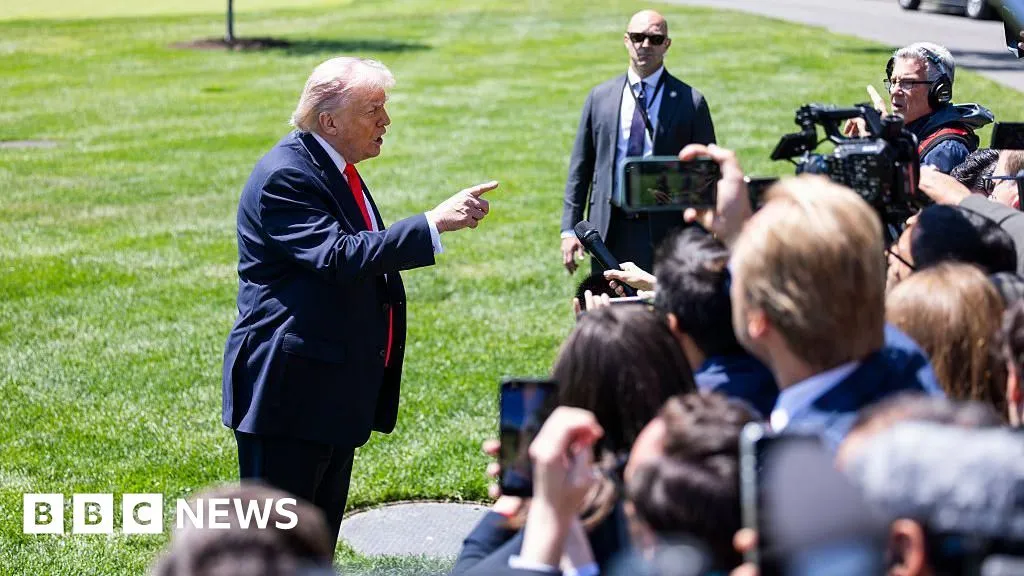
The memorandum of understanding (MOU), finalized last week between US President Donald Trump and Iranian President Masoud Pezeshkian, outlines pivotal commitments—including the reopening of the critically important Strait of Hormuz and addressing violent conflicts across multiple fronts. Both the US and Iran are expected to collaboratively engage with the International Atomic Energy Agency (IAEA) as early as today.
[picture: 
Immediate Actions and Reactions
During the ongoing dialogue, Vice President Vance underscored that discussions on the return of nuclear inspectors could commence sooner rather than later, with expectations set for a resumption of monitoring efforts within the week. The IAEA, tasked with overseeing compliance, has remained skeptical regarding Iran's assurances that its nuclear program is strictly for civilian purposes.
Reflecting on the potential implications, Vance noted, "This is a major milestone for the American people and represents a critical first step toward permanently ending a nuclear weapons program in Iran." Global concerns persist, however, about Iran's prior commitments, especially in light of the 2015 Joint Comprehensive Plan of Action (JCPOA)—a deal from which the US withdrew under Trump’s administration in 2018.
Challenges Ahead
Despite the advancement of negotiations, considerable obstacles remain. Iran's Foreign Minister Seyed Abbas Araghchi indicated that establishing a de-confliction cell in Lebanon—aimed at reducing military engagements—will serve as the primary test for the prospective agreement. As tensions escalate, including recent fatal airstrikes and retaliatory attacks in the region, the path to sustainable peace remains fraught with complexity.
The Iranian delegates concluded discussions on Monday amid a backdrop of escalated military actions, complicating the efforts for a ceasefire and bringing into question the sincerity of both sides' commitments. The international community now watches closely, awaiting the outcomes of further negotiations as both parties work to solidify a fragile peace.
For ongoing updates on this evolving situation, stay informed as developments unfold.
Source: BBC World News