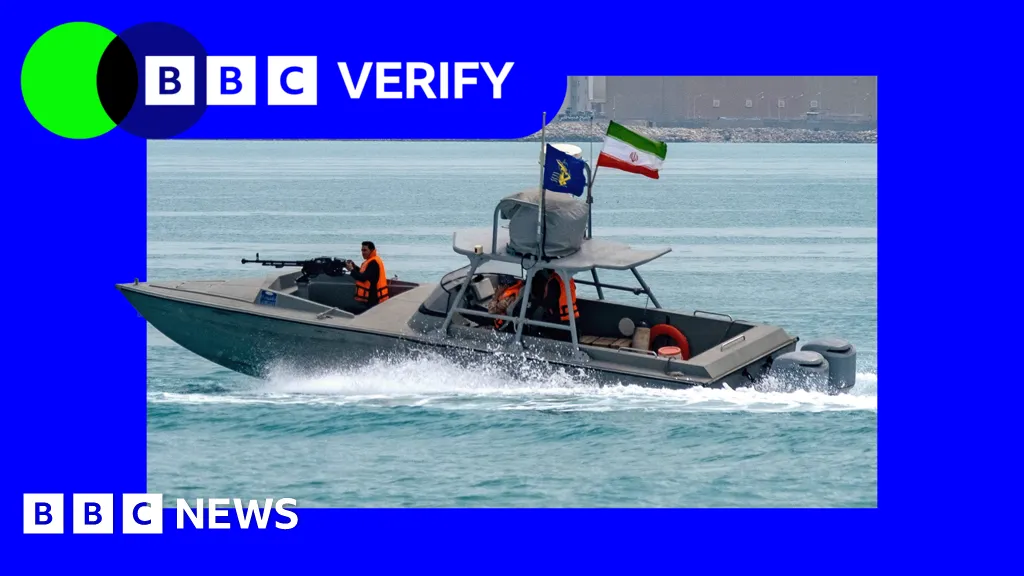
In a provocative move that has reignited regional tensions, Iran has announced an extensive claim of military oversight over more than 22,000 square kilometers of the Strait of Hormuz, a crucial maritime route through which nearly a fifth of the world’s oil supply passes. This declaration comes alongside the unveiling of a new map by Iran's "Persian Gulf Strait Authority," indicating an expansion of its perceived territorial waters into the maritime jurisdictions of Oman and the United Arab Emirates (UAE).
The Iranian government asserts that all maritime traffic through the strait will now require prior coordination and authorization from this newly established authority, further complicating navigation in this strategically vital waterway. The UAE, however, dismissed Iran's claims, labeling them as “nothing but fragments of dreams,” signaling a stark rejection of Tehran's assertions.
In response to these developments, the United States has reiterated its refusal to acknowledge Iran's self-declared control, advising vessels to disregard Iran’s regulations. Anwar Gargash, the diplomatic adviser to the UAE president, emphasized that Iran’s attempts to redefine the maritime landscape following a military defeat are not only unwarranted but an infringement on the UAE's sovereignty.
International Reactions and Military Movements
The backdrop to Iran’s aggressive posturing includes a recent US operation targeting an oil tanker suspected of attempting to violate an American blockade on Iranian ports. U.S. Central Command (Centcom) published footage depicting marines boarding the tanker, identified as the Celestial Sea, which was reportedly en route to an Iranian port. The vessel's history includes sanctions under a former name linked to Iranian interests.
During these operations, Centcom has claimed to have redirected numerous commercial ships and thwarted four separate vessels since the blockade’s inception in April. Meanwhile, Iranian media outlets, ostensibly affiliated with the Islamic Revolutionary Guard Corps (IRGC), released footage claiming a “punishment” strike on an unidentified vessel within the strait, exacerbating the already fraught atmosphere.
Prospects for Diplomatic Resolution
The precarious situation has piqued the interest of international mediators, with Pakistan's military chief reportedly visiting Tehran in a bid to facilitate peace discussions between Iran and the United States. Asim Munir is expected to engage high-ranking Iranian officials to explore avenues for de-escalation amid strained relations.
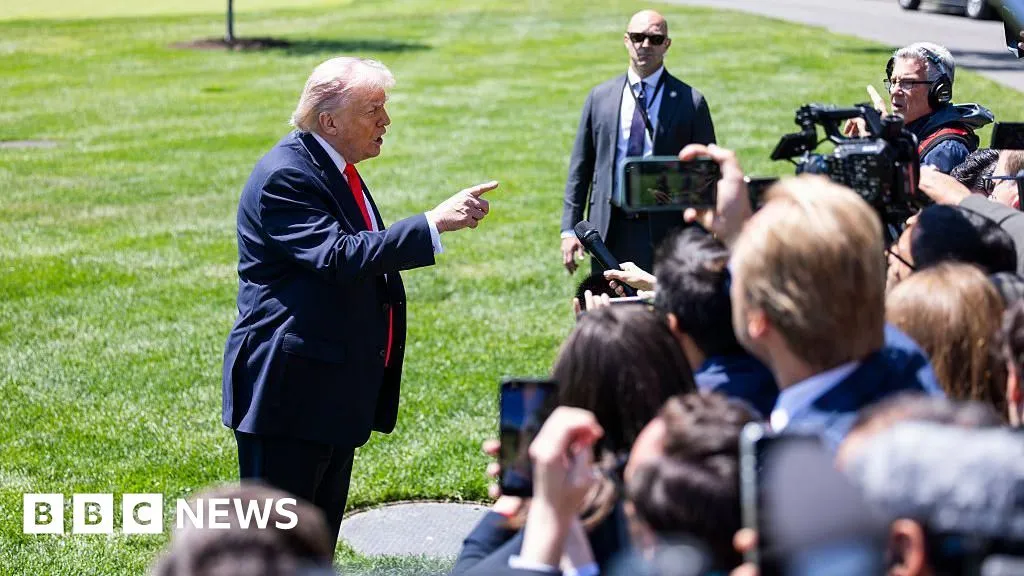
President Donald Trump remarked on the ongoing tensions, noting he had opted against a military strike on Iran following requests from Gulf state leaders for a diplomatic approach. He indicated a willingness to reassess options based on Tehran's compliance with a potential agreement, suggesting that if discussions do not yield favorable outcomes, military action remains on the table.
This sequence of events underscores the volatility of the region, as nations navigate the complexities of sovereignty, military might, and international law in one of the world’s most critical maritime corridors.
Source: BBC News
Source: BBC World News