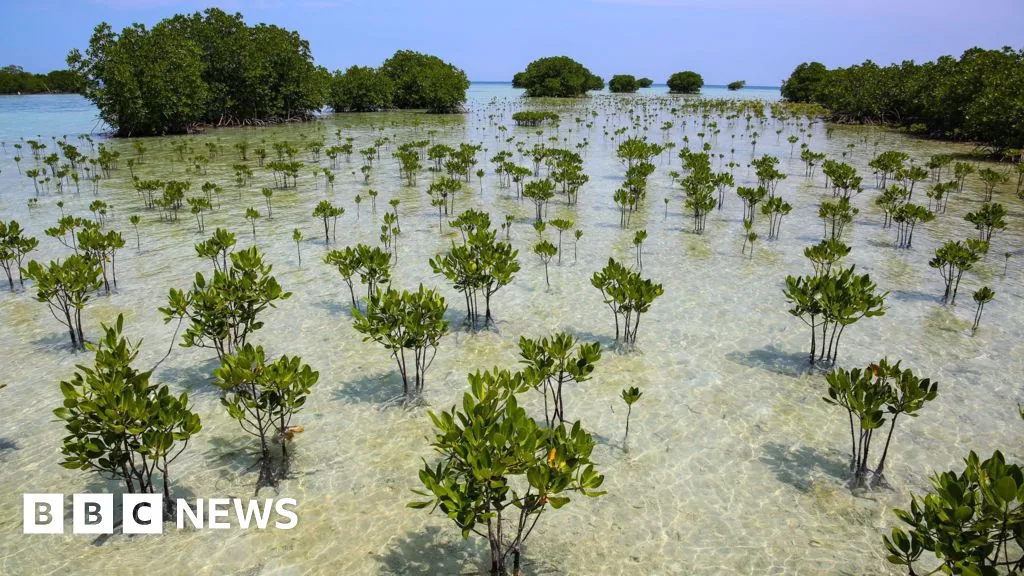
In a remarkable turnaround, the world's coastal mangrove forests are witnessing an unprecedented recovery, defying decades of degradation primarily driven by human activities. This resurgence, notable since 2010, signals a hopeful trend for coastal communities and our planet’s climate stability.
Once reduced to mere remnants due to rapid urbanization, fish farming, and agricultural expansion, mangrove ecosystems are now experiencing net gains for the first time in over three decades. A recent study underscores the critical role of improved legal protections and heightened public awareness, catalyzed by catastrophic events such as the 2004 Indian Ocean tsunami, in fostering this positive shift.
Environmental Impact of Mangroves
Mangrove forests are essential unsung heroes in the fight against climate change, capturing up to five times more carbon dioxide than their terrestrial counterparts. Their complex root systems provide vital coastal protection, buffering communities from storm surges and tsunamis. Additionally, these habitats are crucial spawning grounds for numerous fish species, safeguarding marine biodiversity.
Despite their ecological significance, over 12,000 square kilometers of mangroves were lost globally between the 1980s and 2010. This loss, equivalent to the size of Jamaica, raised alarms among environmentalists and communities alike. However, recent findings illustrate a significant reversal of this trend, with the net loss of mangroves now reduced to approximately 849 square kilometers since the 1980s.
The Power of Natural Regeneration
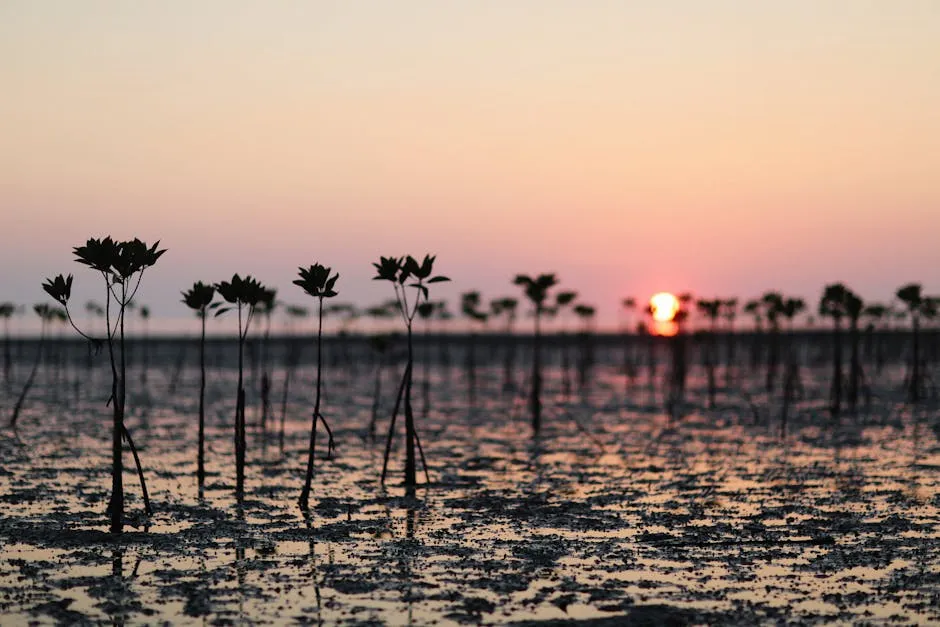
The study reveals that a combination of enhanced restoration efforts and natural regeneration has facilitated this unexpected recovery. Notably, countries such as Indonesia and Myanmar are witnessing significant expansion in mangrove coverage, largely due to decreased deforestation rates and increasing recognition of the importance of these unique ecosystems. Dr. Zhen Zhang, the study's lead author from Tulane University, pointed out that the 2004 tsunami dramatically shifted public perception regarding the protective role of mangroves.
“Some islands were heavily vegetated with mangroves, and those areas were remarkably well protected during the tsunami,” she explained. “This experience has fostered a broader understanding of the need to conserve our mangrove forests.” Similar awareness has emerged in Myanmar following Cyclone Nargis in 2008, complimented by a national logging ban enacted in 2016.
Technology's Role in Monitoring Growth
Advances in satellite imaging technology have played a pivotal role in mapping and monitoring these vital forests with unprecedented accuracy. Utilizing the highly sensitive Landsat satellite, researchers have captured nuanced canopy changes, revealing more new trees than previously documented. Professor Elizabeth Robinson of the Grantham Research Institute highlighted this progress, stating, “This advancement in satellite technology has unveiled a more optimistic picture of mangrove health and growth on a global scale.”
A Cautious Outlook
While this resurgence paints a promising picture, it remains critical to consider the environmental context in which these forests thrive. In some regions, like Brazil, new mangroves have taken root along nutrient-rich rivers; however, upstream deforestation and mining activities may potentially create downstream issues. Dr. Pete Bunting from Aberystwyth University cautioned, “Although it’s encouraging to see mangroves recovering, the health of surrounding ecosystems is equally crucial for their long-term survival.”
The challenges of mangrove conservation are far from uniform, with West and Central Africa emerging as hotspots for destruction and pollution, exemplified by the dire circumstances in the Niger Delta.
Ultimately, while this uplifting news about mangrove recovery offers a beacon of hope in the fight against climate change, it underscores the urgency needed in global conservation efforts to maintain these precious ecosystems.
Source: BBC Science