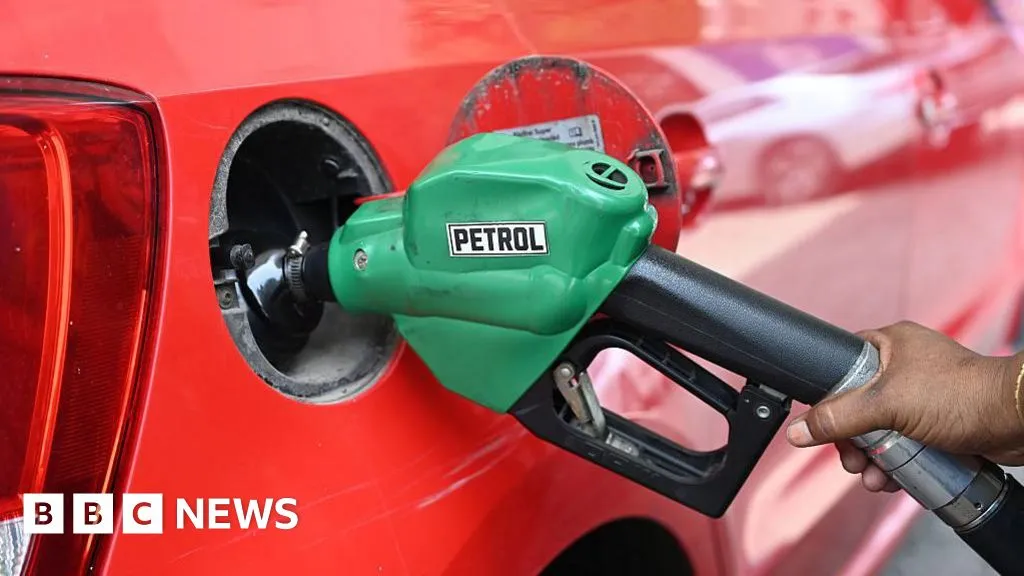
In a notable shift for the global energy market, oil prices have plummeted amid mounting optimism surrounding potential peace negotiations between the United States and Iran. On Monday morning, the benchmark Brent crude oil price dipped by 5.5%, settling around $97.90 per barrel as traders reacted to reports of a prospective agreement that could ease current tensions.
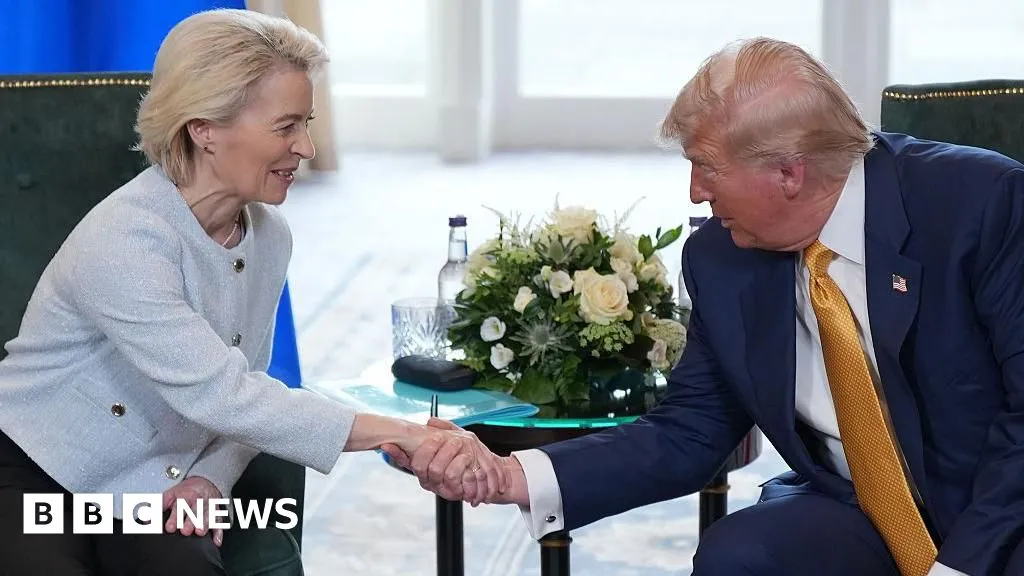
US Secretary of State Marco Rubio indicated that discussions were advancing positively, stating that negotiators had presented a "pretty solid thing on the table." He hinted that an announcement regarding a ceasefire could be imminent. Meanwhile, President Donald Trump remarked that the negotiations were "proceeding nicely" but cautioned that it would be "a great deal for all or no deal at all." 
Although Iranian officials acknowledged progress, they tempered expectations with statements suggesting that a finalized agreement is still a distance away. The prospect of reopening the crucial Strait of Hormuz, through which approximately one-fifth of the world’s oil passes, remains a pivotal element of the discussions, especially since the route has been largely inactive since the conflict intensified on February 28.
Rubio's comments in New Delhi highlighted the cautious optimism in diplomatic circles, while he admitted that the talks were still "a work in progress." Iran’s Foreign Ministry spokesman Esmail Baqai reiterated this sentiment, indicating that although consensus had been reached on many topics, declaring a final agreement as imminent would be premature.
In a related diplomatic effort, Trump announced that he recently concluded a "very good call" with leaders from Saudi Arabia, the United Arab Emirates, and Qatar regarding a memorandum of understanding aimed at achieving peace in the region. This dialogue underscores the multi-national interest in stabilizing the area, as fluctuations in oil prices impact global economies.
Analysts warn that while emerging signals of peace have resulted in immediate price relief, the broader oil market landscape remains precarious. Saul Kavonic, head of energy research at MST Financial, projected that even under the rosiest scenarios, the oil markets would continue to experience tight supply conditions through 2027. Factors such as required repairs to damaged infrastructure and rebuilding of global oil stocks, which have reached critical lows since the onset of conflict, will complicate swift market recovery.
Lars Jensen, chief executive of Vespucci Maritime, suggested that the shipping industry would likely exercise caution even in the event of a peace deal. He noted potential threats, such as sea mines in the Strait, casting doubt on a rapid return to pre-war shipping normalcy.
In financial markets, Japan's Nikkei 225 index surged past 65,000 for the first time, seeing a 3% increase as investor confidence grew over the reopening of oil routes. This reaction reflects the broader reliance of energy-dependent nations like Japan and South Korea on stability in the Gulf region.
As key energy and financial markets in the UK and US remain closed for public holidays, eyes remain fixed on the negotiations this week, with stakeholders eagerly awaiting any developments that could reshape the landscape of global oil supply.
For more updates, visit BBC News.
Source: BBC Business