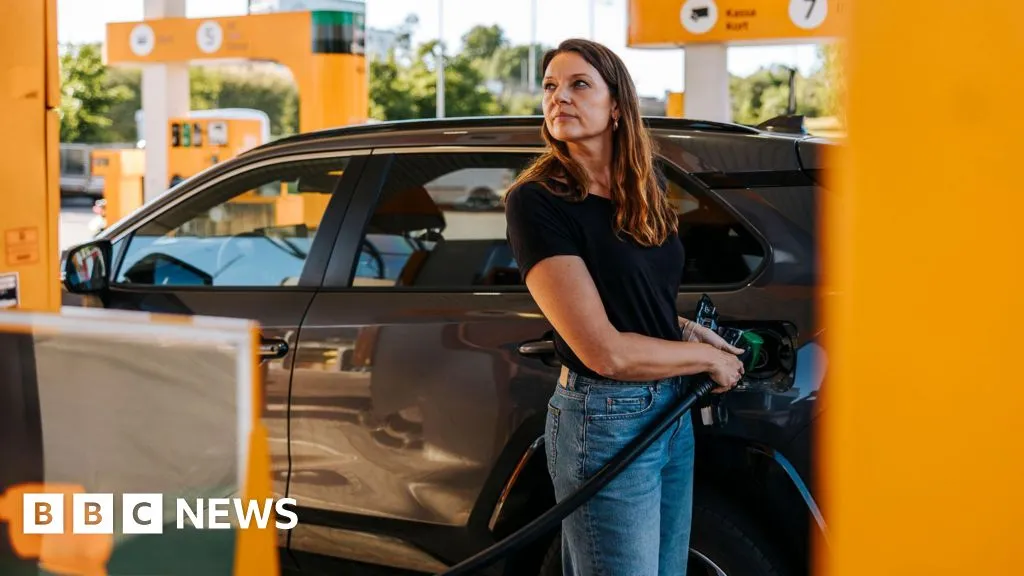
In a significant development for motorists, average petrol prices have skyrocketed to 158.52p per litre, marking the highest level since the onset of the Iran war. The spike, reported by the RAC, raises alarms for consumers already grappling with increasing living costs, with further rises likely in the coming weeks.
The escalation in fuel prices began shortly after the conflict erupted on February 28, severely disrupting energy production and transportation in the Middle East due to missile strikes and drone assaults. Prior to these developments, unleaded petrol was priced at 132.83p per litre.
Following a brief decline to 158.31p per litre on April 15, fuel prices have resumed their upward trajectory. Current forecasts estimate that without a “dramatic and sustained drop” in crude oil prices, the cost of unleaded petrol may surpass 160p per litre.
The price of Brent crude oil—a global benchmark—currently stands at approximately $111 per barrel, a stark increase from around $73 prior to the conflict. This surge has been directly correlated with rising costs at the pumps, exacerbating the financial strain on drivers and households alike.
According to Simon Williams, RAC head of policy, “The news that petrol has climbed to a new wartime high comes at a time when the chancellor is expected to reconsider a planned increase in fuel duty.” If the chancellor opts to maintain the existing duty of 52.95p per litre, it would provide much-needed relief for hard-pressed motorists, who have reported struggles to cope with escalating fuel prices.
While diesel prices currently average 185.92p per litre, a slight respite is anticipated in the coming months due to a significant decline in wholesale prices since their peak earlier this year. However, Williams emphasized that the retail prices should more accurately reflect these drops. “It should really be much lower than it is,” he added, urging retailers to pass on savings to consumers.
Outlook predictions remain cautious, with oil prices expected to hover above the $100 mark for the remainder of the year—a factor that could continue to exert upward pressure on fuel prices.
As the situation remains fluid, motorists and industry stakeholders are left to navigate the implications of these surging costs amidst ongoing global tensions.
Source: BBC News
Source: BBC Business