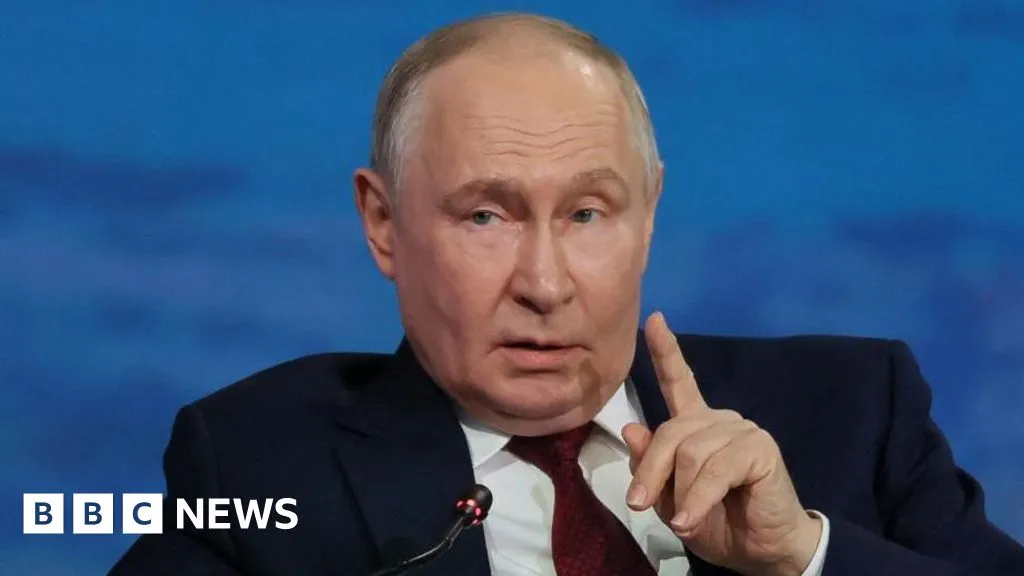
Russian President Vladimir Putin has unequivocally rejected Ukrainian President Volodymyr Zelensky's recent appeal for direct negotiations to resolve the ongoing war between their nations. Putin's dismissal comes just after Zelensky published an open letter advocating for face-to-face discussions, emphasizing the need for urgent engagement rather than waiting for external intervention to shift the focus back to the conflict.
Zelensky's letter, released on Thursday, characterized the current state of affairs as untenable and called for an immediate ceasefire, a plea underscored by a tone that was at times both defiant and ironic. Putin, however, deemed the approach "rude," and maintained that any dialogue concerning peace must precede a ceasefire, asserting that Ukraine’s military might simply regroup during a lull in hostilities.
Putin's Response to Peace Proposal
Speaking at Russia's annual economic forum in St. Petersburg, Putin responded to Zelensky's suggestion. "I don’t see any point for now," he stated, suggesting the letter may have served to deflect genuine dialogue rather than to foster it. He raised questions about the intentions behind Zelensky's request, indicating skepticism about Ukraine's commitment to peace talks.
In response, Zelensky took to Telegram to express disappointment, alleging that Russia has opted for continued warfare. "He just doesn’t want to end the conflict. I think many in the world were disappointed by this answer," Zelensky remarked.
Conditions for Dialogue and Military Escalations
During his remarks, Putin reiterated Russia's stance that any discussions must be grounded in a framework guaranteeing long-term agreements rather than temporary ceasefires. He declared, "Military actions will end someday, but only once we have achieved the goals we have set for ourselves." Military observers and analysts render his comment as a firm signal that Russia's strategic objectives include retaining control over contested regions in Eastern Ukraine.
Notably, Putin's objectives underscore claims to Donetsk, Luhansk, Kherson, and Zaporizhzhia, which he insists must be recognized by Ukraine. Kiev, for its part, remains resolute against any territorial concessions, drawing parallels with history when Russia's annexation of Crimea in 2014 was followed by further aggression.
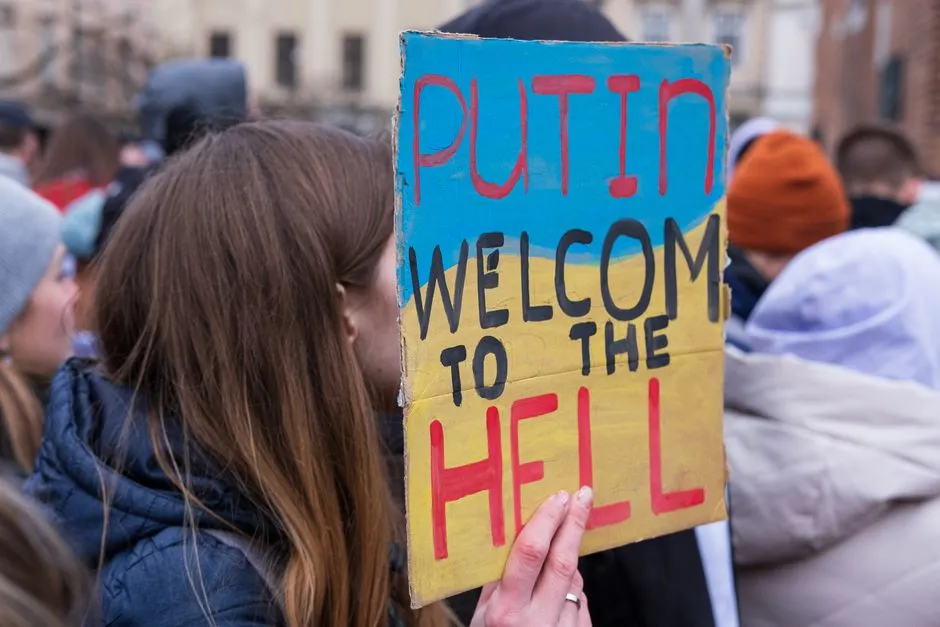
The exchanges occurred amid reports of heightened military activity. On Friday, Ukraine announced successful strikes against five vessels noted for illegal cargo transport in the Sea of Azov, accusing them of facilitating grain theft and military logistics for Russian forces. As hostilities escalate, civilian casualties continue to rise, with recent drone strikes resulting in multiple fatalities.
Implications for Future Relations
The firm rhetoric from both leaders reflects a deepening animosity and complicates prospects for peace. As international observers look on, hopes briefly ignited by Zelensky's letter have been dashed by Putin’s swift rejection. President Donald Trump weighed in optimistically, suggesting that a meeting would be beneficial, yet the ground reality remains fraught with uncertainty.
With ongoing military operations claiming lives daily, the grim situation prompts urgent calls for diplomatic engagement; yet, the rift between Kyiv and Moscow continues to grow wider.
Source: BBC News
Source: BBC World News