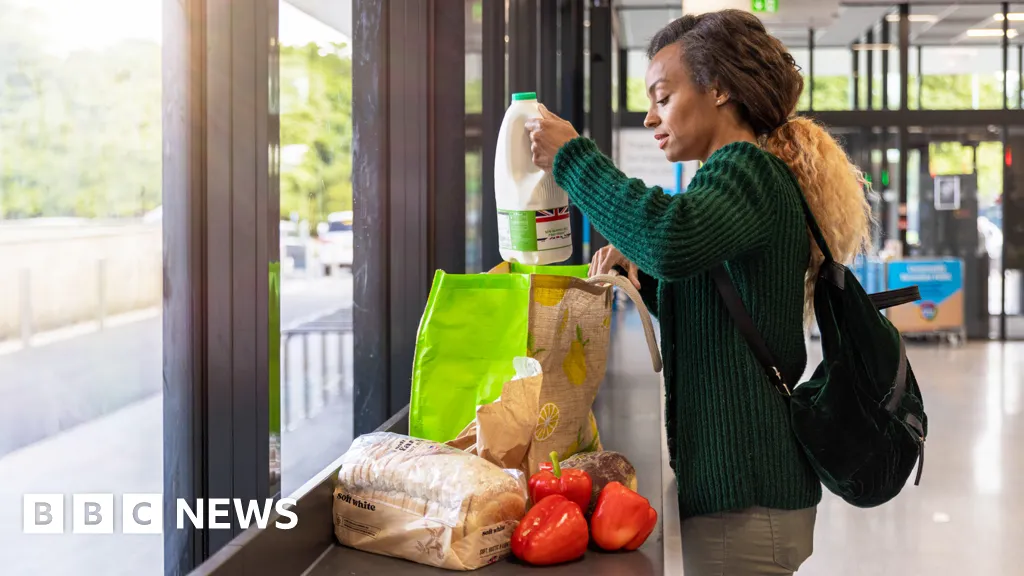
In a fierce pushback against government pressure, the UK's leading supermarkets have firmly rejected proposals for voluntary price caps on staple goods such as milk, bread, and eggs. Officials have engaged in discussions urging retailers to freeze prices as a means to alleviate the financial strain on consumers amid rising living costs.
Speaking on BBC Radio 4, Treasury Secretary Dan Tomlinson acknowledged the dialogues with supermarket representatives but clarified that a mandatory price cap was not on the table. "It’s essential that we explore all avenues to support families during these tough economic times, but we are not contemplating government-imposed controls on food prices," Tomlinson remarked.
Industry Leaders Express Outrage
The suggestion of a voluntary freeze has been met with vehement opposition from industry experts. Stuart Machin, Chief Executive of Marks & Spencer, described the idea as "completely preposterous," advocating instead for a reduction in governmental tax burdens that he claims hamper competitiveness.
Similarly, Lord Stuart Rose, former chairman of Ocado, labelled the proposals as absurd, warning that such measures would lead to dangerous state control over market pricing, contradicting the principles of free market economics. "This initiative is ill-conceived and could result in unintended consequences that harm both consumers and retailers," he asserted.
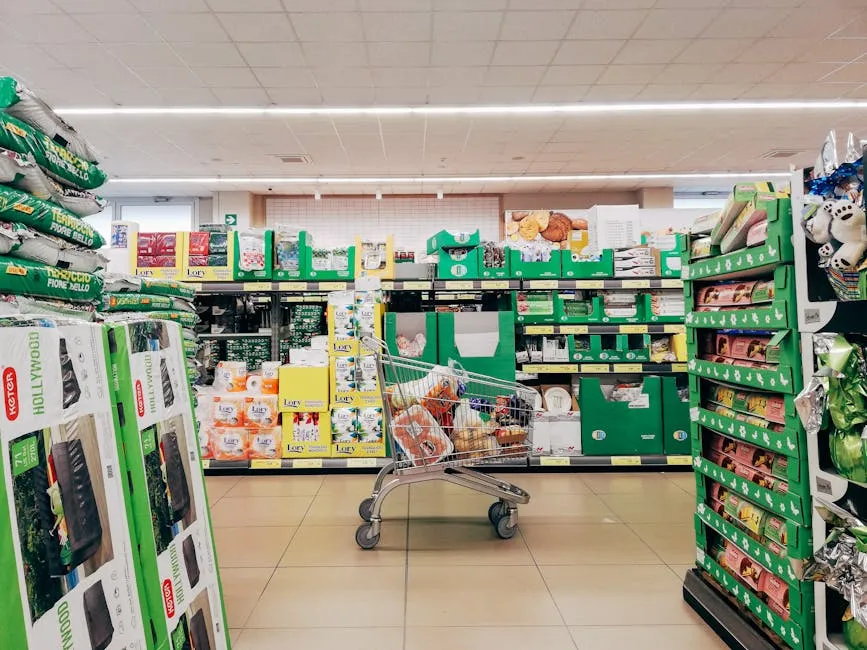
Growing Concerns Over Inflation
Recent inflation figures reveal that annual food price inflation reached 3% in April, surpassing the overall inflation rate of 2.8%. Experts predict that food prices could escalate to nearly 10% by year's end due to various factors, including increased costs of fertiliser and animal feed stemming from geopolitical tensions.
The British Retail Consortium (BRC), which represents the supermarket sector, criticized the government’s approach, warning that price controls reminiscent of the 1970s could jeopardize the profitability of retailers and lead them to sell goods at a loss. Chief Executive Helen Dickinson emphasized the need for the government to address policy costs that inflate food prices rather than imposing arbitrary caps.
Counteracting Price Gouging
In parallel, the UK government is moving forward with new measures aimed at combatting price gouging in response to international supply chain disruptions. Chancellor Rachel Reeves announced that the Competition and Markets Authority (CMA) would gain expanded powers to investigate and publicly disclose companies altering their profit margins amid economic shocks.
Reeves stated, "When global events drive up costs, working families feel it first. It is imperative that we protect consumers from unjust price increases during such critical times.”
As the debate intensifies, supermarkets brace for the implications of rising costs while continuing to call for a more comprehensive strategy from the government that addresses root issues rather than providing temporary fixes.
For updates, visit the BBC News article.
Source: BBC Business