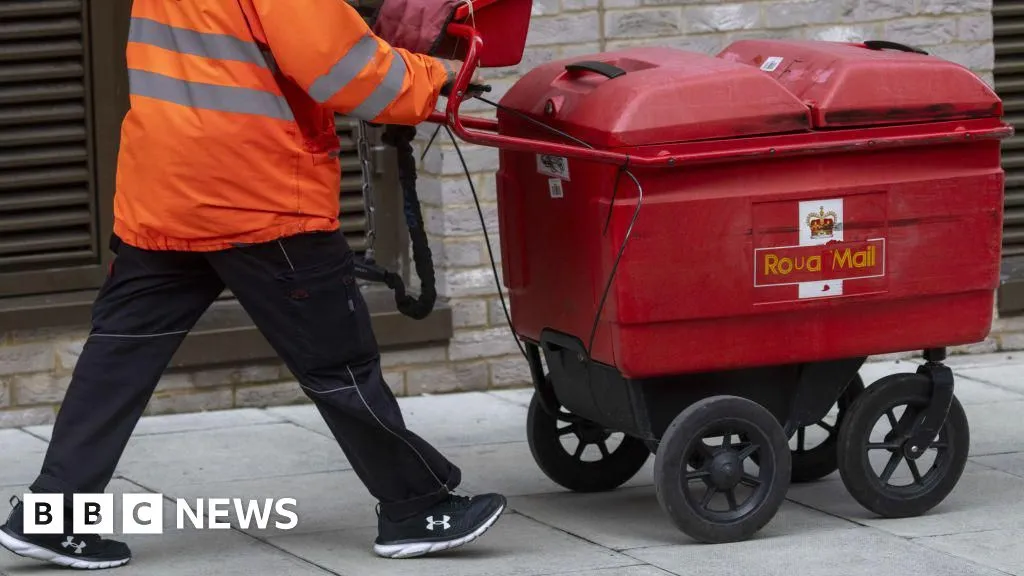
In a troubling revelation for the United Kingdom's postal system, Royal Mail has disclosed that only 75.7% of first-class mail was delivered punctually in the fiscal year ending March 2026—a stark contrast to the set target of 93%. This alarming statistic raises serious questions about the effectiveness of the company's recent management changes under the oversight of new owner Daniel Kretinsky's EP Group.
The latest quality-of-service report has drawn the attention of Ofcom, the UK communications regulator, which expressed ‘very serious concern’ over Royal Mail's sliding performance. Sources within the regulator indicate that an investigation into the postal service's operations could be launched early next week.
Amidst growing criticism, Royal Mail maintains that service improvements are underway, asserting intentions to meet newly adjusted targets—90% for first-class mail and 95% for second-class mail—by this time next year. Chief Operating Officer Jamie Stephenson stated, “We’re putting significant investment into improving reliability, but delivering lasting change across a network of this scale takes time.” The company is committing £500 million over the next five years to address these issues.
Despite these pledges, the annual figures highlight a decline from the previous year when 76.9% of first-class letters and 92.2% of second-class letters were delivered on time. Moreover, performance for second-class mail was also disappointing at just 90.2%, falling short of a 98.5% target while the company has not met its letter delivery goals for either class of mail in several years.

Royal Mail’s performance took a downturn during the COVID-19 pandemic and has failed to bounce back fully. In a striking reflection of ongoing operational challenges, Ofcom slapped Royal Mail with a £21 million fine last October for missing delivery targets, marking one of the largest penalties enforced by the watchdog. The company also faced similar sanctions in 2023 and 2024.
Distraught postal workers have previously voiced their frustrations, disclosing that some letters remained undelivered for weeks as management opted to prioritize parcels, which are often more lucrative. During a parliamentary session in March, Kretinsky addressed these concerns, expressing regret for any late deliveries and denying any orders that would prioritize parcel over letter delivery.
Citizens Advice policy director Tom MacInnes criticized Royal Mail’s performance, dubbing it ‘business as usual’. He lamented, “What’s worse, Royal Mail claims people will have to wait another year until it can meet its new, lower delivery targets.” As part of its improvement strategy, Royal Mail is offering part-time postal workers extended hours and has collaborated with Ofcom to eliminate Saturday second-class deliveries to optimize its operations.
The new performance metrics, which have been reset by Ofcom, mandate that 90% of first-class mail be delivered the next working day and 95% of second-class mail within three days. The regulator noted that previous expectations were deemed overly ambitious compared to European standards, suggesting that they would only lead to increased costs for consumers.
With the postal service's credibility on the line, the coming months will be crucial for Royal Mail as it navigates this tumultuous landscape and strives to restore public trust.
Source: BBC News
Source: BBC Business