In a bold strategic move, SpaceX has announced an eye-popping valuation of $1.75 trillion, as the aerospace giant edges closer to its highly anticipated initial public offering (IPO) set for next week. This remarkable figure emerges amid a filing with the U.S. Securities and Exchange Commission, where the company has pegged its estimated share price at $135, significantly surpassing a previous valuation of $1.25 trillion established earlier this year.
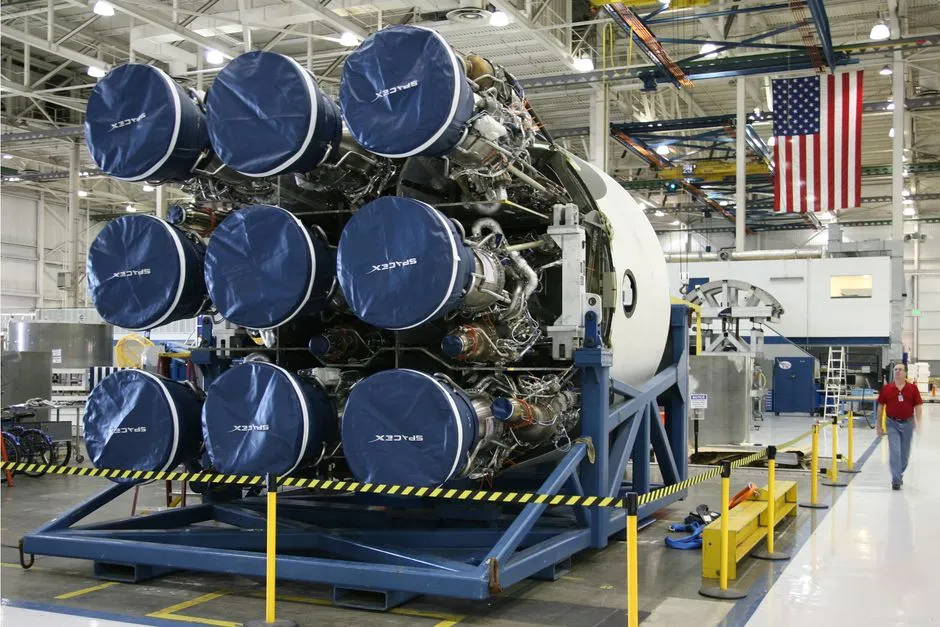
Setting a stock price estimate more than a week prior to the market launch is an unconventional approach, placing SpaceX at the forefront of financial innovation. The company, which manufactures cutting-edge rockets and space infrastructure while also owning AI venture xAI and the Starlink satellite internet service, is gearing up to list on the Nasdaq index on June 12. This debut is poised to shatter records, with SpaceX aiming to raise a staggering $75 billion, the highest amount ever recorded for an IPO.
If shares sell at or above the projected $135 price point, SpaceX will solidify its status as one of the world's most valuable companies. At that juncture, Elon Musk, holding more than 80% of SpaceX stock, could potentially become the world’s first trillionaire. However, the outcome remains speculative, with historical data from Dealogic indicating that nearly half of public offerings over the last three decades have experienced a decline in value shortly after listing.
Unprecedented Market Move
“The valuation is undeniably aggressive,” noted Samuel Kerr, head of equity capital markets research at Mergermarket. He emphasized that SpaceX's pricing is based on future earnings that exceed the immediate financial metrics of major competitors within the so-called “Mag 7”—including industry titans like Alphabet, Amazon, and Microsoft. “Some investors might be willing to overlook these figures, valuing future potential over current performance,” Kerr added.
For context, SpaceX reported $18.6 billion in revenue last year, accompanied by a net loss of $4.9 billion. In the first quarter of this year, the company generated $4.7 billion but recorded an additional net loss of $4.3 billion. With $102 billion in assets against $60.5 billion in liabilities, SpaceX is navigating a complex financial landscape.
Investing in the Future
Beyond its ambitious space exploration initiatives, SpaceX is making substantial investments in artificial intelligence, social media innovations, and orbital data centers. Earlier this year, SpaceX acquired xAI—a venture known for its AI chatbot Grok—and is capitalizing on access to live data from X, formerly Twitter, to develop advanced AI training tools. Musk envisions that building infrastructure in space will secure essential resources for AI development, which he considers critical given terrestrial limitations.
Ruth Foxe-Blader, managing partner at Citrine Venture Partners, commented on SpaceX's diverse portfolio: “The scale and range of SpaceX's projects offer numerous advantages. It's an enormous endeavor with clear implications for the future.”
As SpaceX prepares for this groundbreaking IPO, the financial world watches closely, with potential implications that could reverberate across the tech and investment landscapes.
Source: BBC News
Source: BBC Business