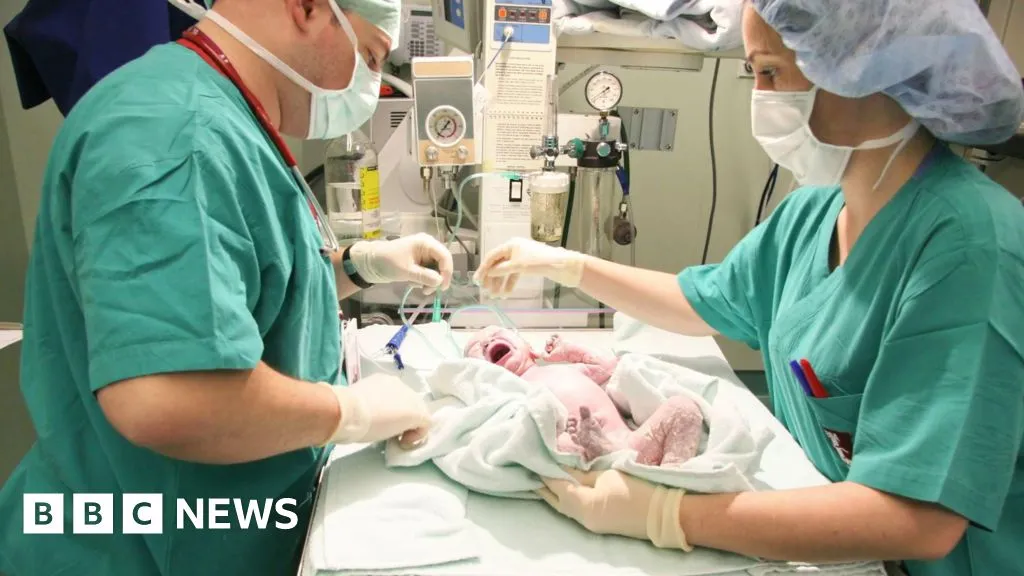
In a startling development for maternal health, recent analysis indicates that one in four births in England now occurs via emergency caesarean, a sharp increase from just five years ago. The surge, moving from 18% to 26% of all deliveries, raises urgent questions about the underlying factors driving such a significant change in obstetric practices.
The rise of emergency caesarean sections, which are performed when complications arise during labor, has risen by eight percentage points, coinciding with a decrease in unassisted vaginal deliveries—from more than half to just 43%. The increase in planned caesareans now accounts for 20% of births. This trend is strikingly distinct to England, where other European nations have not mirrored these patterns.
Expert Insights and Health Concerns
Professor Marian Knight, director of the National Perinatal Epidemiology Unit, calls the shift a "total change in how women give birth" in the country. However, the causes remain elusive. The NHS currently lacks comprehensive data on the reasons behind these emergency procedures, provoking concern among healthcare professionals.
Some experts point to rising fear and anxiety within maternity units as a potential factor, as mothers and healthcare providers may feel pressured to opt for surgical interventions to ensure safety. The Royal College of Obstetricians and Gynaecologists notes that the healthcare system is under strain, struggling to accommodate the increasing demand for safe childbirth options.
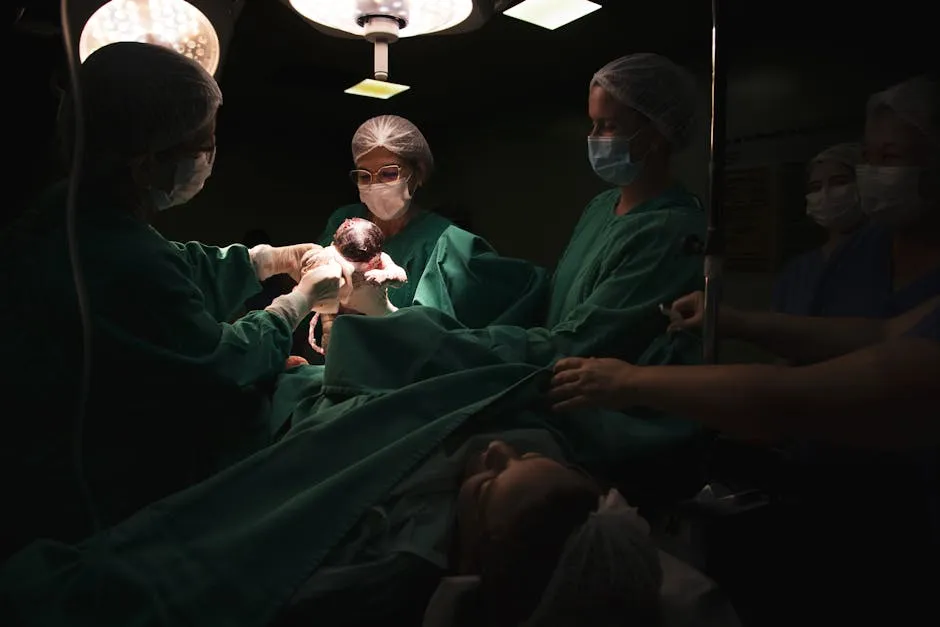
In light of this, NHS England emphasizes that individual circumstances and clinical advice guide the decision-making process for each delivery. Emergency C-sections are prioritized based on the urgency of the situation, ranging from critical threats to maternal or infant life to more routine circumstances where labor is not progressing as expected.
Comparative Trends and Racial Disparities
The BBC's analysis revealed that alongside England's alarming emergency caesarean rates, other regions of the UK reflect slightly lower figures: 22% in Scotland, 20% in Wales, and 16% in Northern Ireland. However, the findings raise further concerns about health equity, as black and Asian mothers face an even steeper statistic, with approximately one in three undergoing emergencies.
In her research, Professor Knight is exploring factors such as maternal age, obesity, and pre-existing health conditions that may exacerbate the trend. Of particular significance are the ongoing investigations into high-profile maternity scandals that have exposed failures in care, which may be fostering a culture of fear among patients and practitioners alike.
Evaluating the Future of Maternity Care
Notably, while the rate of emergency caesareans has escalated, stillbirth rates and neonatal mortality figures have remained relatively stable—a dichotomy that raises alarms. Professor Shakila Thangaratinam, a leading authority in women's health, warns of the implications of this increase if not paralleled by improvements in outcomes.
As the NHS continues to navigate these challenges, the past five years have also seen an 11% uptick in legal claims linked to maternity care. This surge illustrates the complexities and risks surrounding childbirth today, with both patients and healthcare providers on edge.
The landscape of childbirth in England continues to evolve, beckoning a critical review of policies and practices to ensure that safety and maternal well-being remain at the forefront.
Source: BBC Health