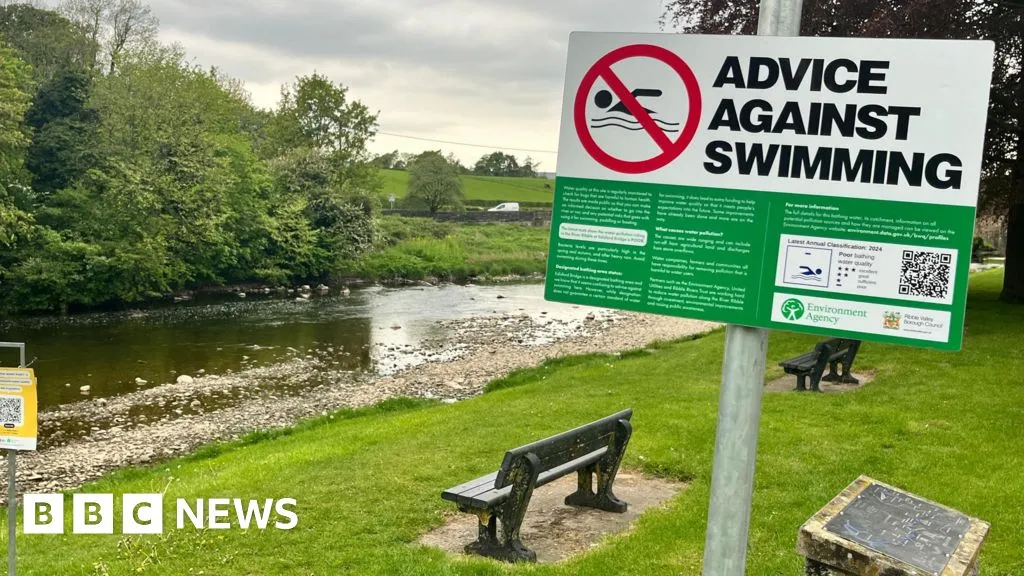
In a significant health advisory, authorities have issued warnings against swimming at nearly all designated river bathing sites across England due to dangerously high levels of faecal bacteria. Out of 14 tested locations, only the River Stour in Suffolk and the River Thames in Oxfordshire passed safety standards.
Widespread Concerns Over Water Quality
Signs cautioning against swimming are prominently displayed at 12 of the 14 river bathing sites, reflecting serious concerns regarding water safety. The Environment Agency's recent assessments revealed concerning contamination levels, prompting government officials to act swiftly. This summer, six additional sites will be monitored for the first time, including a new spot on the River Thames in London, raising hopes for improved oversight.
The Push for Better Standards
With 13 new bathing sites added to the existing ones, the number of locations under regular scrutiny by the Environment Agency now exceeds 460. This expansion includes six inland rivers, part of an ongoing effort to bolster water quality monitoring. The designation of these sites is crucial, as it compels water companies to take meaningful action against pollution resulting from sewage discharges and agricultural runoff.
While campaigners laud the initiative as an essential step toward cleaner waters, they argue that the current system inadvertently invites risky behavior. “It’s bonkers that the only way to clean up a polluted river is to make it a popular swimming site,” a concerned advocate stated.

Industry Pushback
Despite the apparent advantages, water companies express reservations about the influx of new monitoring sites. A spokesman for Water UK remarked, “Designating an area before it’s ready for bathing could mislead the public into thinking it is safe.”
A Local Case Study
The River Wharfe at Ilkley presents a compelling case, having been designated for bathing in 2020 yet consistently receiving poor water quality ratings. Karen Shackleton, a local campaigner, pointed out alarming levels of E.coli, which can spike dramatically after rainfall. “When it rains, we can see tens of thousands of E.coli units per 100ml,” she stressed.
In a bold yet hazardous act, Shackleton’s fellow advocate Di Leary noted, “We’re basically swimming in other people’s waste,” as the duo protested the ongoing pollution. Despite challenges, both remain optimistic due to a forthcoming £60 million investment from Yorkshire Water aimed at curtailing sewage overflows.
A Catch-22 Situation
The backdrop of these developments paints a complicated picture: a system that pushes individuals to swim in potentially toxic waters as a method to demand cleanup is undoubtedly perplexing. “It’s a Catch-22 situation. It’s disgustingly bonkers,” Leary commented, encapsulating the absurdity of the current situation.
As concerns mount over water quality, swimmers and environmental advocates alike urge for enhanced regulatory measures to ensure safety in England’s rivers.
Source: BBC Science