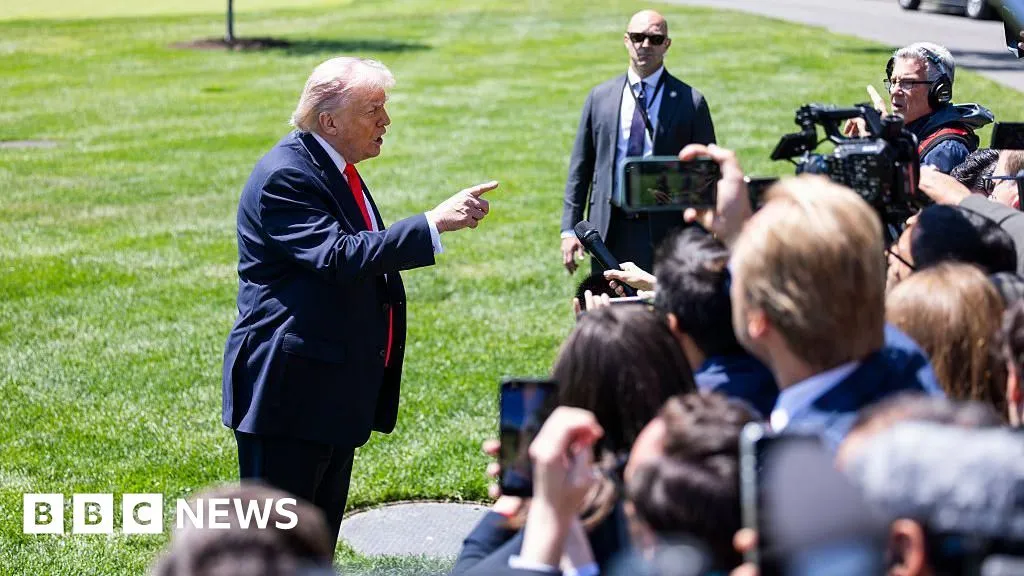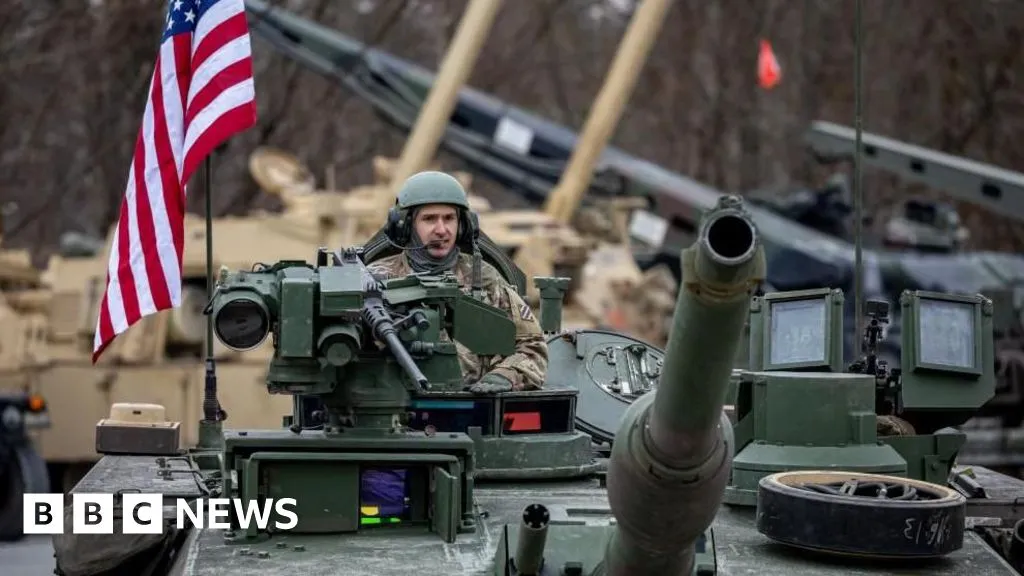
In a dramatic escalation of rhetoric, U.S. President Donald Trump issued stark warnings to Iran on Monday, threatening military action if Tehran fails to restrain Hezbollah amidst critical negotiations taking place in Switzerland. These talks, aimed at establishing peace after years of conflict, are underscored by a fragile ceasefire and urgent calls for diplomacy.
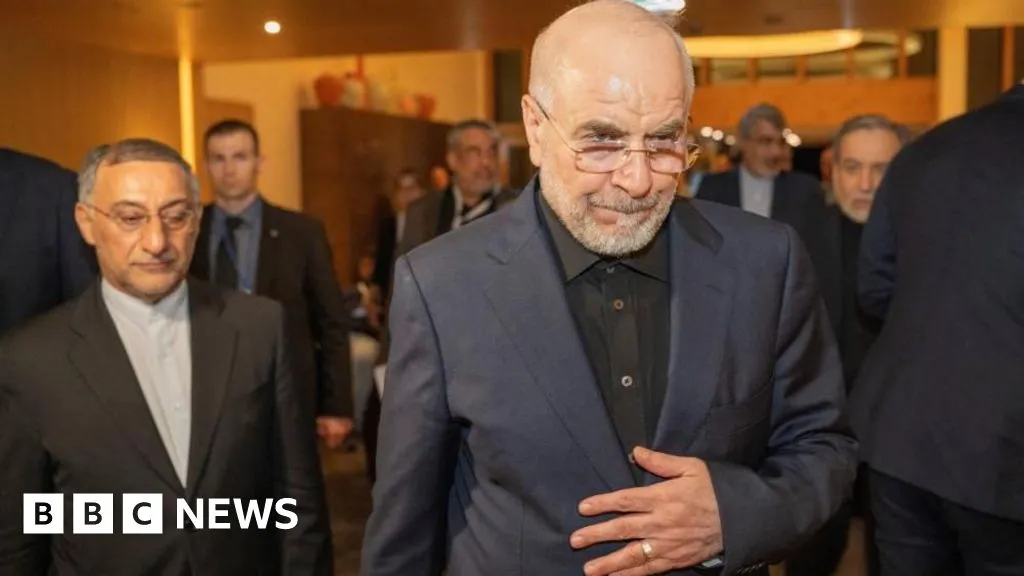
Although Trump is not physically present at the negotiations in Lucerne, his presence looms large as he declared that the U.S. would retaliate fiercely against Iran should the regime continue to allow its proxies in Lebanon to foster instability. Iran’s lead negotiator, Mohammad Bagher Ghalibaf, promptly rejected Trump’s threats, asserting that the Iranian armed forces are fully prepared for any confrontation.
Recent hostilities between Hezbollah and Israeli forces in southern Lebanon have prompted an increase in violence, resulting in tragic casualties, including women and children, as reported by the Lebanese health ministry. As Israeli strikes intensified, the U.S. urged both sides to agree to a new ceasefire, yet Iran responded by announcing the closure of the crucial Strait of Hormuz, a key shipping route for global oil and gas—a claim disputed by maritime tracking data indicating ongoing vessel traffic.
As the negotiations progress, Trump reiterated his demand that Tehran immediately curtail the activities of its Lebanese allies, warning of severe repercussions if these actions are not halted. In a defiant statement, Ghalibaf remarked, “If their threats had any effect, they wouldn’t be in this desperate situation today. It is our actions that dictate the outcome, not their rhetoric.”
Despite recent clashes, Israeli Prime Minister Benjamin Netanyahu maintained that military operations will endure until northern Israel's security is assured. Conversely, Hezbollah's leader, Naim Qassem, has unequivocally stated that the group will not tolerate an Israeli military presence and will act to defend its territory.
During the negotiations at the scenic Bürgenstock resort, U.S. Vice President JD Vance expressed hope for a new trajectory in U.S.-Iran relations, emphasizing a willingness to reform ties if Iran commits to relinquishing its purported ambitions for regional destabilization and nuclear armament. Vance was accompanied by prominent figures, including Jared Kushner and special envoy Steve Witkoff, while Ghalibaf was joined by Iranian Foreign Minister Abbas Araghchi.
International mediators, including Pakistani Prime Minister Shehbaz Sharif and Qatari Prime Minister Sheikh Mohammed bin Abdul Rahman Al Thani, underscored their support for ongoing dialogues, reflecting a broader global interest in reducing tensions in the region.
The talks follow the recent signing of a preliminary agreement outlining objectives meant to facilitate an end to hostilities. This agreement encompasses provisions for a ceasefire across all fronts, including the reopening of the Strait of Hormuz, which had experienced associated disruptions due to ongoing conflicts. Furthermore, the controversial $300 billion reconstruction plan and the lifting of sanctions on Iran remain contentious topics yet to be explored in-depth.
As the situation develops, the international community will be watching closely, keenly aware that the outcomes from these talks could have lasting effects on regional and global stability.
Source: BBC News
Source: BBC World News