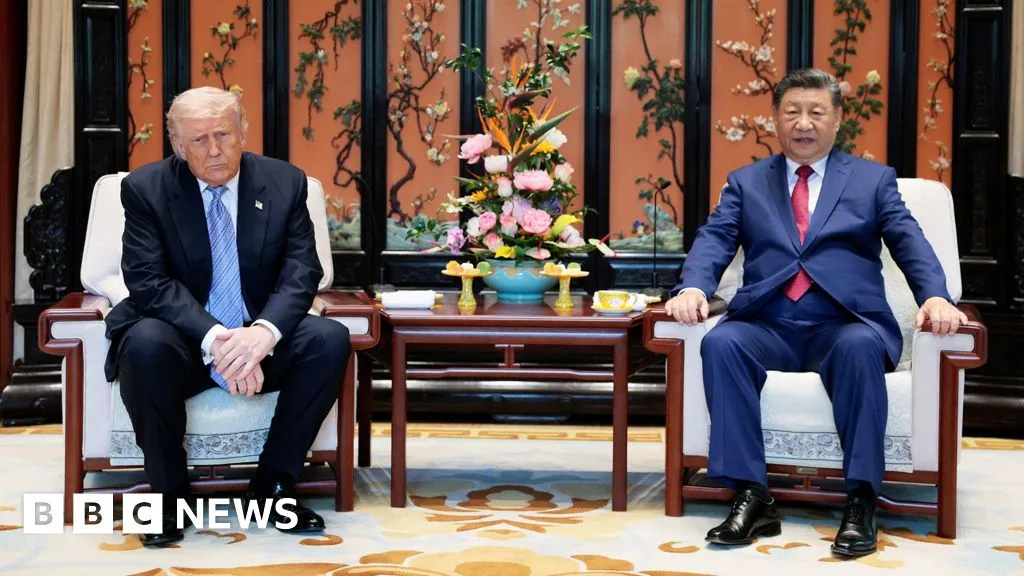
In a high-profile meeting characterized by pomp and ceremony, US President Donald Trump and Chinese leader Xi Jinping emerged from two days of summit discussions with claims of success, yet substantive trade agreements remained elusive. Despite both leaders expressing optimism, the absence of tangible outcomes left many analysts questioning the effectiveness of the talks.
The summit, which took place in Beijing, featured a robust agenda focused primarily on trade, with Trump arriving alongside a delegation of prominent CEOs from sectors such as agriculture, aviation, and artificial intelligence. However, while the discussions carried weight amid ongoing global tensions, significant breakthroughs were notably absent.
Choreographed Ceremonies, Elusive Deals
Trump described the discussions as “very successful,” highlighting a potential agreement for China to purchase 200 Boeing jets, with whispers of an additional 750 in the pipeline. However, despite these claims, no official confirmation has come from Beijing, and Boeing has yet to comment on the matter. If finalized, these orders would signify the planemaker's first major revival in a Chinese market long affected by trade disputes.
Echoing a sentiment of positivity, Xi referred to the encounter as a “historic and landmark” visit, a phrase underscored by a meticulously organized itinerary that included elaborate ceremonies and a state banquet intended to honor the US delegation. Trump also extended an invitation for Xi to visit the White House, reflecting a cordial exchange of diplomatic pleasantries.
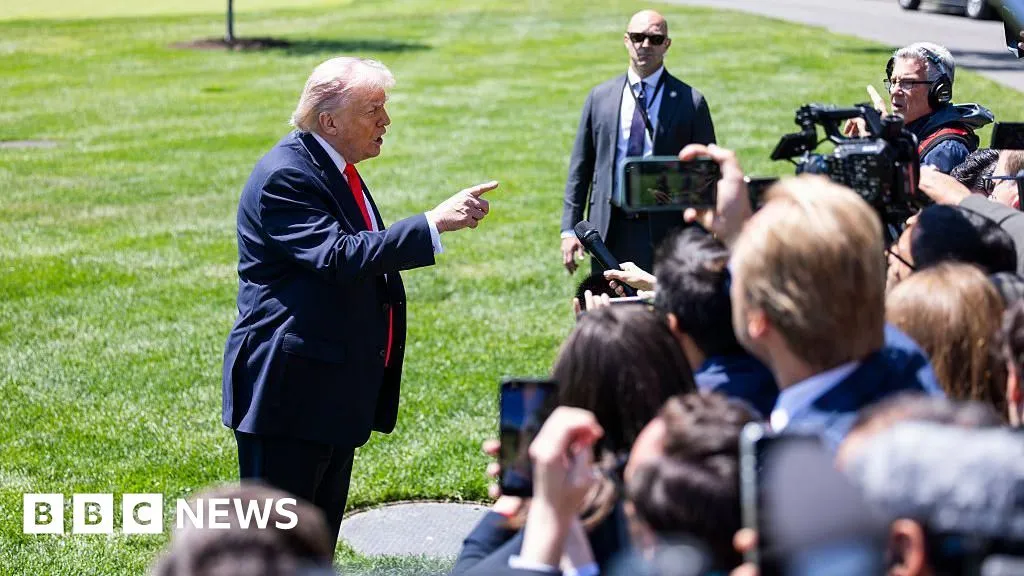
Yet, when pressed for details about specific trade agreements, Trump’s statements were met with caution. Chinese foreign ministry spokesperson Guo Jiakun emphasized the need for mutual cooperation and warned that conversations about tariffs had not even been on the table. This raises critical questions about the future of the existing trade truce, currently set to expire in November.
Ongoing Tensions in Tech and Trade
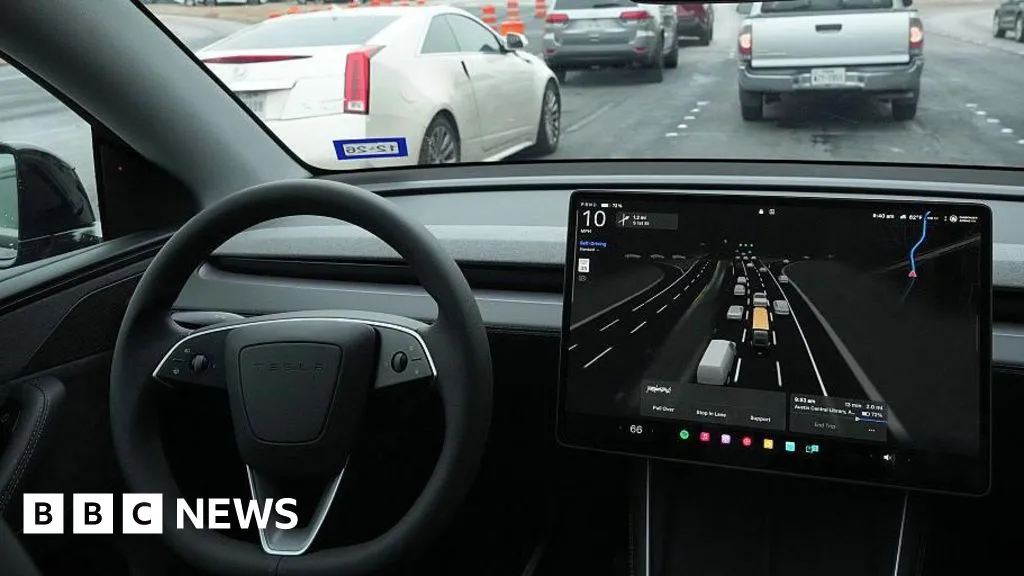
Perhaps one of the most intriguing elements of the summit was the presence of tech titans like Elon Musk, CEO of Tesla, and Jensen Huang, CEO of Nvidia, who stayed close to Trump during key moments. Their involvement signals a heightened focus on technology and competition in semiconductors and electric vehicles, two areas where both companies face significant pressures from US-China rivalry.

While the leaders spoke through gestures of goodwill, the reality remains that robust discussions about tariffs and the complexities of tech export were noticeably sidelined, with US Treasury Secretary Scott Bessent cautioning that substantial work remains before any agreements can be realized.
The lack of definitive announcements leaves many stakeholders in a state of anticipation, as the world watches how these two superpowers navigate their fraught yet indispensable relationship. In these uncertain times, experts await clarity on both the stability of their trade agreements and the impact on the global economy.
As the dust settles on this latest summit, the international community remains engaged, fully aware that the outcomes of US-China relations hold vast implications for economic policies worldwide.
Source: BBC World News