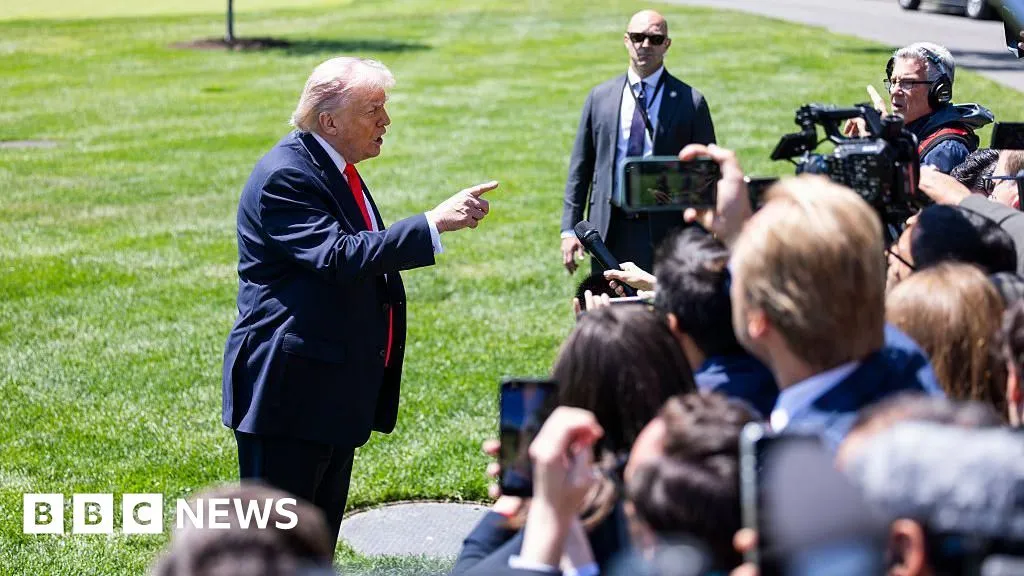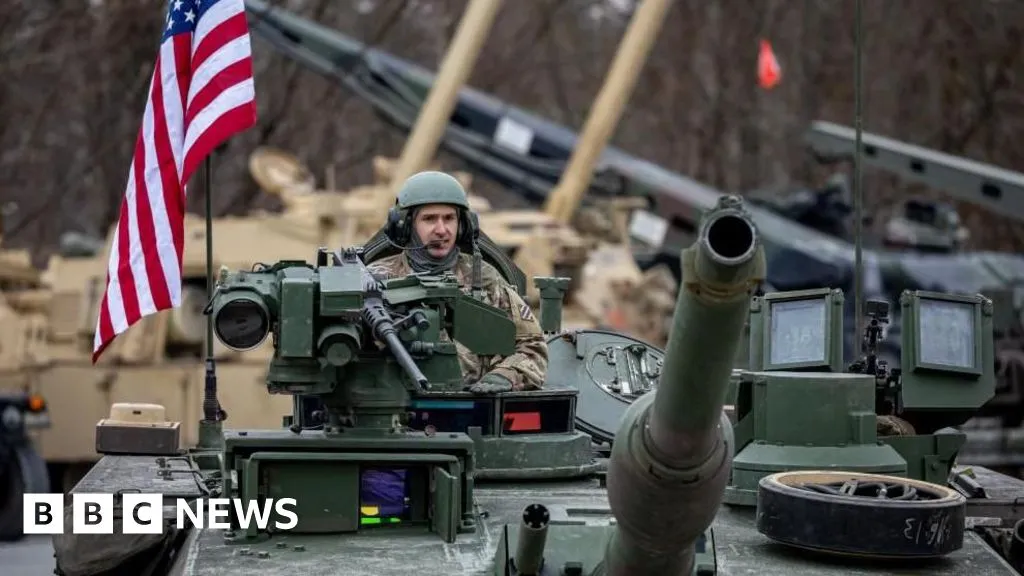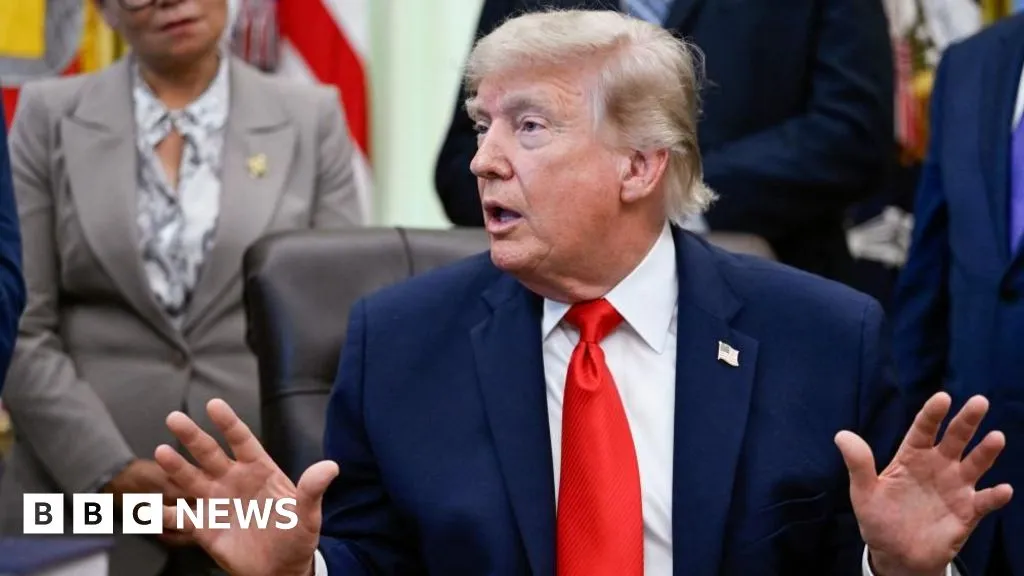
In a dramatic turn of events, President Donald Trump has announced that a long-anticipated peace deal with Iran is slated to be signed this Sunday, a timeline swiftly met with skepticism from Tehran. Amid heightened geopolitical tensions, Trump's assertion raises questions about the feasibility of the agreement's quick implementation.
In a statement posted on social media, Trump declared, "The Strait of Hormuz will be open to all" following the signing, underscoring the strategic importance of this vital shipping route. However, Iranian Foreign Ministry spokesman Esmail Baghaei tempered expectations, asserting, "We will have to wait and see about the exact date of the signing of the memorandum of understanding, although it will not be tomorrow [Sunday]." 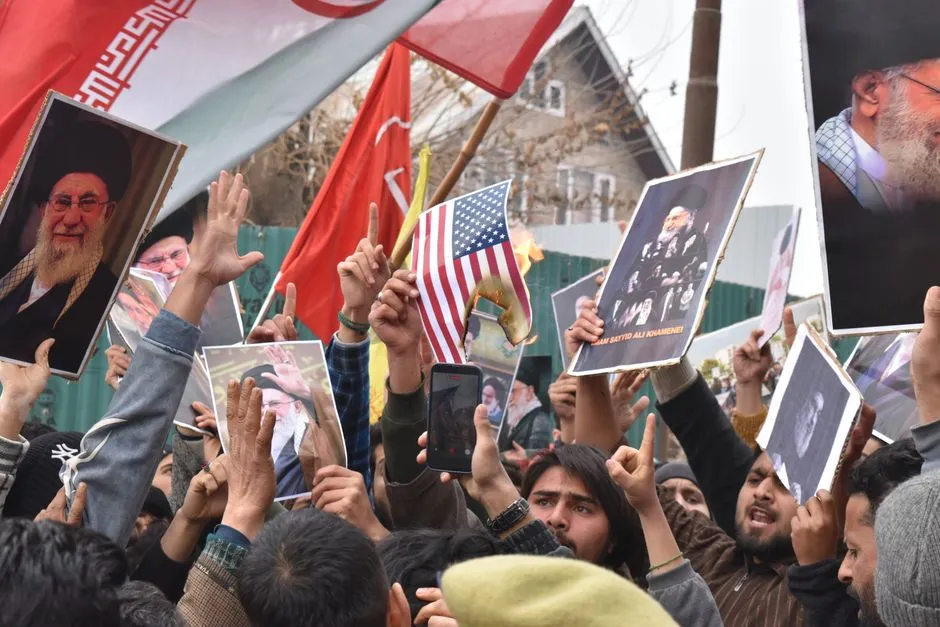
Adding to the complexity, Pakistani officials—acting as key mediators in the negotiations—reportedly expressed confidence that the deal could be finalized within 24 hours. Pakistani Prime Minister Shehbaz Sharif remarked that they are "closer to a peace deal than ever before," indicating preparations for an electronic signing ceremony.
Meanwhile, a Qatari delegation has arrived in Tehran, but the impact of their visit on the anticipated signing remains uncertain. Trump's commentary came shortly after he referenced Iran's stockpile of enriched uranium, proclaiming, "At the appropriate time, when all is calm, we will go in and get the Nuclear Dust," a statement echoing longstanding Western concerns regarding Iran's nuclear ambitions.
Over the years, Iran has maintained that its nuclear program is intended for peaceful purposes, notably electricity generation and research, despite persistent accusations of weapons development from Western powers. Trump issued a cautionary note, warning that if the settling of the deal does not proceed smoothly, Washington retains "the ultimate alternative, hopefully never to be used again!"
Earlier, Iranian Foreign Minister Seyed Abbas Araghchi had indicated the ongoing negotiations could lead to a resolution to conflicts involving Israel and Hezbollah in Lebanon, amidst a broader discourse on Iran's nuclear program. US officials have confirmed elements of the agreement, emphasizing that Iran's economic benefits would hinge on its adherence to the terms set forth.
Since the outbreak of hostilities on February 28, which saw US and Israeli strikes on Iranian targets, the military landscape has been fraught with intermittent exchanges of fire, despite a ceasefire that was established in April. Notably, Israel continues to assert that it will pursue offensive operations against Hezbollah, underscoring the complexities of regional dynamics.
As the deadline approaches, tensions remain high. Just as talks swirl, Israel has issued evacuation orders for 29 villages in southern Lebanon, signaling potential military action amidst concerns over Hezbollah's ceasefire violations. "In light of Hezbollah's violations, the IDF is compelled to act against it with force," stated Israeli army spokesman Col Avichay Adraee.
The coming days are bound to be pivotal in determining whether peace can be brokered or if the cycle of conflict will continue to escalate.
Source: BBC
Source: BBC World News