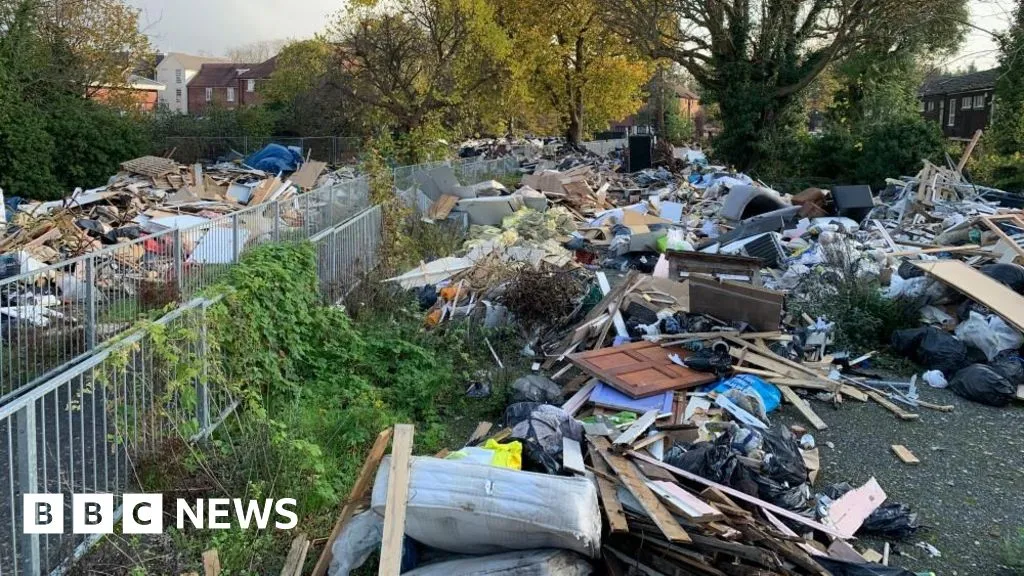
In a decisive step towards combating the growing menace of illegal dumping, the UK government is instituting significant reforms to waste carrier licensing. These changes aim to close loopholes in the current system that have allowed individuals—including, quite remarkably, a cow named Beau Vine—to obtain licenses with minimal scrutiny.
The forthcoming legislation, which is set to be enacted in 2027, mandates that waste carriers demonstrate their qualifications rigorously. Instead of the previous practice of simply filling out an online form and paying a registration fee, applicants will now face stringent identity and criminal background checks. The Department for the Environment, Food and Rural Affairs (Defra) asserts that these updates are crucial to preventing rogue operators from infiltrating the waste management sector.
Under the new regulations, those found engaging in illegal waste transportation could face custodial sentences of up to five years. Campaigners have long criticized the existing framework as inadequate for thwarting the activities of unscrupulous waste carriers who leave communities to grapple with the aftermath of their actions.
Philip Duffy, Chief Executive of the Environmental Services Association, welcomed the imminent changes, stating that enhanced powers would enable faster action against rogue operators, ultimately safeguarding local environments. "The time for complacency is over; we must ensure accountability in waste management, protecting our communities from those who exploit the current system," Duffy noted.
Approved waste carrier licenses allow individuals to transport waste or arrange for its disposal, but the current method of obtaining these licenses has been criticized for its ease of access. Previously, anyone could register by simply completing an online form for a fee of £191.02, raising concerns about the influx of bad actors into the system.
Moving towards a permit system, the proposed regulations will require waste carriers to display their permit number prominently in advertisements and on vehicles to enhance transparency. Furthermore, the Environment Agency will be granted stronger powers to revoke permits and issue enforcement notices, bolstering their capacity to combat waste-related criminality.
Waste Minister Mary Creagh expressed determination to root out the “waste cowboys” that have exploited the lax regulations for too long. She stated, "Through our Waste Crime Action Plan, we are instituting rigorous checks on waste traders, targeting corrupt operators, and ensuring they are unable to operate within the industry." 
This legislative overhaul has been spurred in part by the peculiar incident involving Beau Vine, a cow that incidentally obtained a license to dispose of household waste. Ann Maidment, director of the Country Land and Business Association (CLA), described the ease with which Beau secured her credentials—effectively in mere seconds and at a cost of approximately £200. While Maidment applauds the forthcoming changes, she emphasizes that the effectiveness of these laws hinges on their implementation, suggesting that, under the new rules, "Beau Vine would fail at the first hurdle" due to the need for a digital identity and proof of technical competence.
The planned changes represent a critical component of the government's broader Waste Crime Action Plan, which outlines initiatives targeting various forms of waste criminality, including street litter and large illegal dumping sites. Earlier proposals have suggested localized authority measures that would empower councils to compel fly-tippers to clean up their mess on the spot and pay fines without judicial proceedings. Additionally, drivers apprehended for fly-tipping could face penalty points on their licenses, while the Environment Agency may acquire police-like powers to search premises without warrants.
As the UK pushes forward with these reforms, the government aims to restore integrity and accountability to waste management, ensuring that all operators, whether human or otherwise, adhere to the law.
Source: BBC News
Source: BBC Science